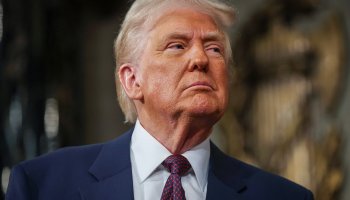
Washington, D.C. (Diplomat.so) – Donald Trump, President of the United States, on Tuesday continued overseeing ongoing U.S. military operations against Iran while the White House confirmed parallel efforts to evaluate emerging diplomatic pathways involving potential intermediaries and indirect talks.
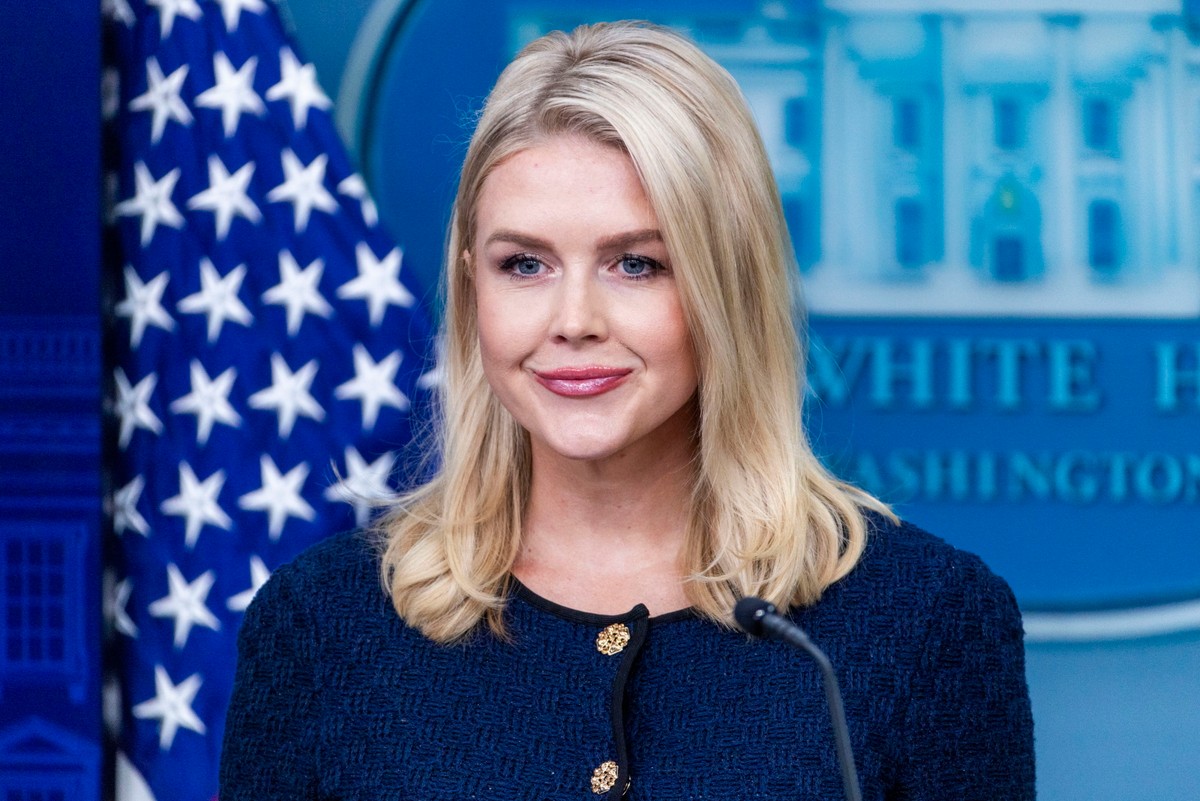
White House Press Secretary Karoline Leavitt stated that operations under the codename "Epic Fury” are proceeding "without interruption” to achieve objectives defined by the commander-in-chief and the United States Department of War. She emphasized that military pressure and diplomatic exploration are being pursued simultaneously as part of a broader strategic approach.
According to statements attributed to the United States Central Command, U.S. forces have targeted more than 9,000 military objectives inside Iran since the beginning of the campaign. Officials said the strikes have significantly degraded Iran’s combat capabilities, although independent battlefield verification remains limited.
In Washington, military planners are reportedly considering the possible deployment of approximately 3,000 troops from the 82nd Airborne Division as a precautionary measure. Defense officials, speaking on condition of attribution, said the move is intended to expand operational flexibility rather than signal an immediate commitment to ground operations inside Iranian territory.
A senior defense official noted that no final decision has been made regarding any ground deployment. "The intent is to ensure a range of options remains available to decision-makers,” the official said, adding that contingency planning is a standard component of large-scale operations.
On the ground, the announcement has drawn reactions from analysts and observers monitoring the escalating situation. William Anderson, a Washington-based security analyst, told Diplomat News Network that the dual-track strategy reflects an attempt to balance military pressure with diplomatic signaling. "Sustained strikes combined with exploratory dialogue indicate an effort to shape negotiations under conditions favorable to Washington,” he said.
Background context indicates that U.S.-Iran tensions have evolved through successive phases of sanctions, proxy confrontations, and intermittent negotiations over nuclear and regional security issues. The current operational posture appears to reflect a continuation of pressure tactics alongside limited openness to indirect engagement.
Analysts suggest that the scale of reported strikes and the consideration of additional troop deployments could influence both deterrence dynamics and negotiation leverage. At the same time, uncertainty persists regarding Iran’s internal military response capacity and the potential for escalation across multiple theaters.
The developments underscore a complex policy environment in which military operations and diplomacy are proceeding in parallel, with strategic outcomes likely dependent on evolving battlefield conditions and the trajectory of any mediated discussions.