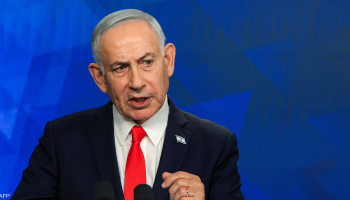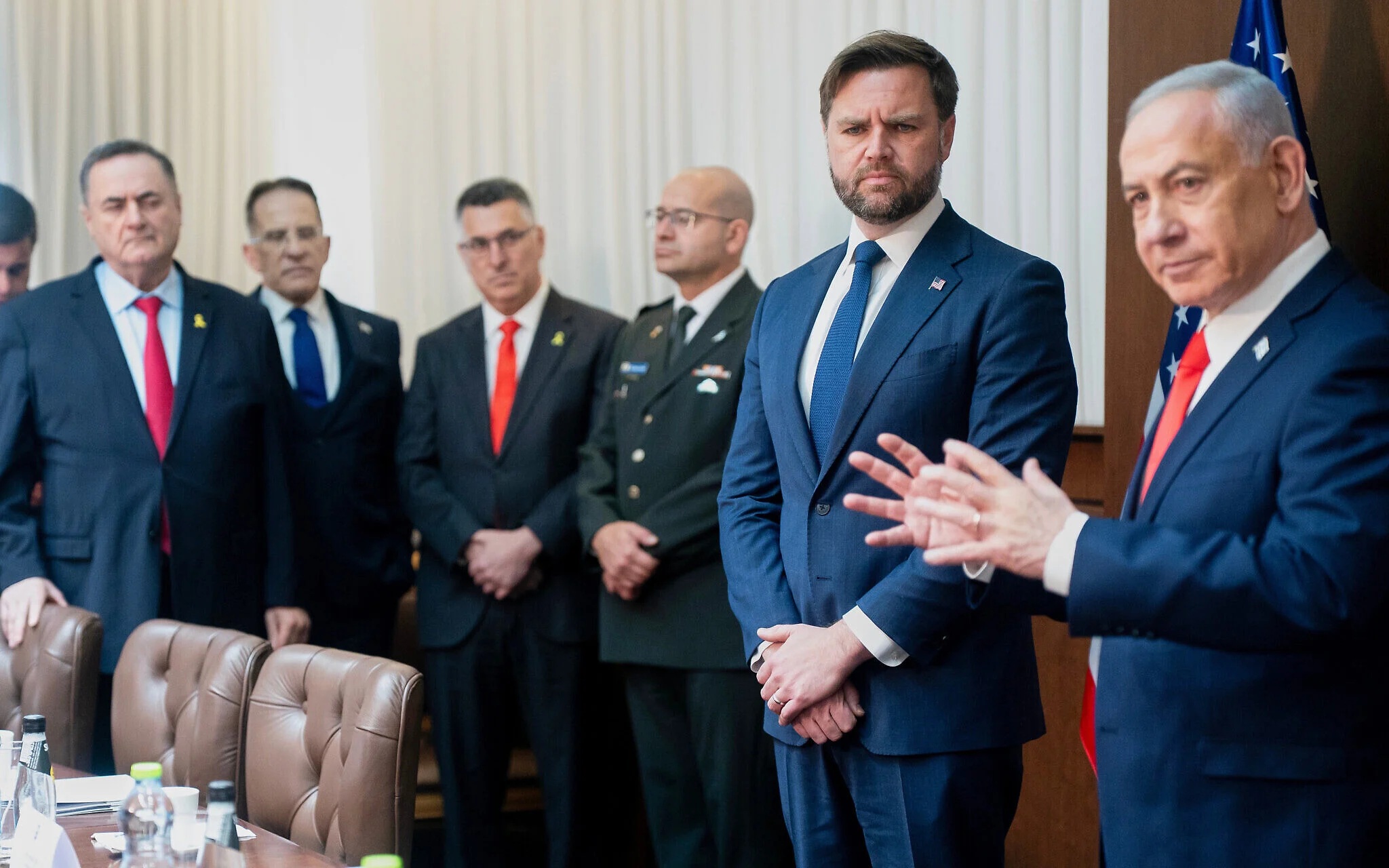
Washington, D.C. (Diplomat.so) – United States Vice President JD Vance spoke by phone with Israeli Prime Minister Benjamin Netanyahu on Monday, discussing potential frameworks for negotiations with Iran amid escalating regional tensions.
The call, reported by Axios citing a source familiar with the discussion, focused on diplomatic options to address the conflict involving Iran and the broader Middle East security environment. According to the source, the two officials reviewed elements of a possible agreement aimed at de-escalation and the cessation of hostilities.
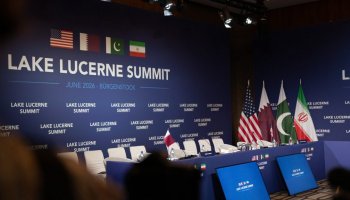
The development follows remarks by U.S. President Donald Trump, who said over the weekend that Washington had engaged in what he described as "productive” discussions with Tehran and suggested a five-day window to reach an understanding. His comments marked one of the clearest signals of potential diplomatic engagement, though they were quickly met with mixed reactions from Iranian officials.
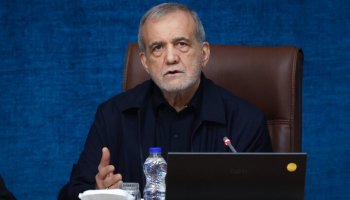
In Tehran, senior Iranian figures publicly rejected claims that formal negotiations are underway. Parliament Speaker Mohammad Bagher Ghalibaf denied any talks with the United States, stating that Iranian leadership remains unified in its stance.
In a post on X, he stated that Iranian officials are united behind the Supreme Leader’s objectives and underscored a policy of continued resistance rather than engagement.
A regional eyewitness in Tehran described increased public attention to state media coverage following the statements. "People are watching closely because any shift in policy could affect daily life and market conditions,” said one resident, speaking on condition of anonymity.
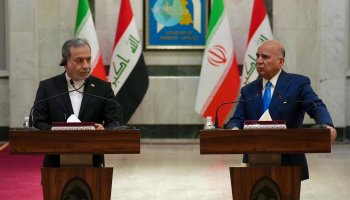
Iran’s Foreign Ministry spokesperson Esmail Baghaei reiterated that no negotiations have taken place, while noting that messages from third parties had been received. He said Iran’s position regarding strategic chokepoints such as the Strait of Hormuz remains unchanged, underscoring that Tehran has not agreed to any talks with Washington.
The conflicting narratives highlight ongoing uncertainty surrounding diplomatic channels. A senior Iranian official, speaking to Reuters on condition of attribution, said that while the United States had requested a meeting involving parliamentary leadership, no decision had been made by Iran’s Supreme National Security Council. The official added that Tehran had not issued a response.
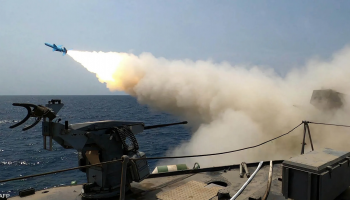
Military and strategic developments continue alongside diplomatic signals. The United States Navy confirmed that the aircraft carrier USS Gerald R. Ford arrived in Greece’s Souda Bay for maintenance after a reported onboard fire, stating the vessel remains fully operational.
Analysts note that the combination of public statements, indirect messaging through intermediaries, and military positioning reflects a complex negotiation environment. Regional observers say the lack of confirmed direct talks, despite multiple claims, suggests both sides are maintaining leverage while testing diplomatic openings.
A defense analyst quoted by Diplomat News Network said the situation reflects "parallel signaling rather than synchronized diplomacy,” indicating that public messaging and private communications are currently diverging in tone and confirmation.
The evolving situation carries implications for regional stability, energy markets, and international security. With neither side confirming direct negotiations, the next steps remain dependent on whether backchannel communications translate into formal engagement or remain limited to indirect exchanges.