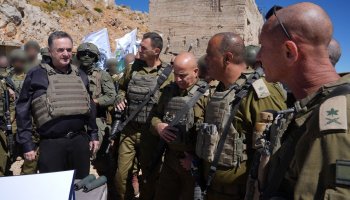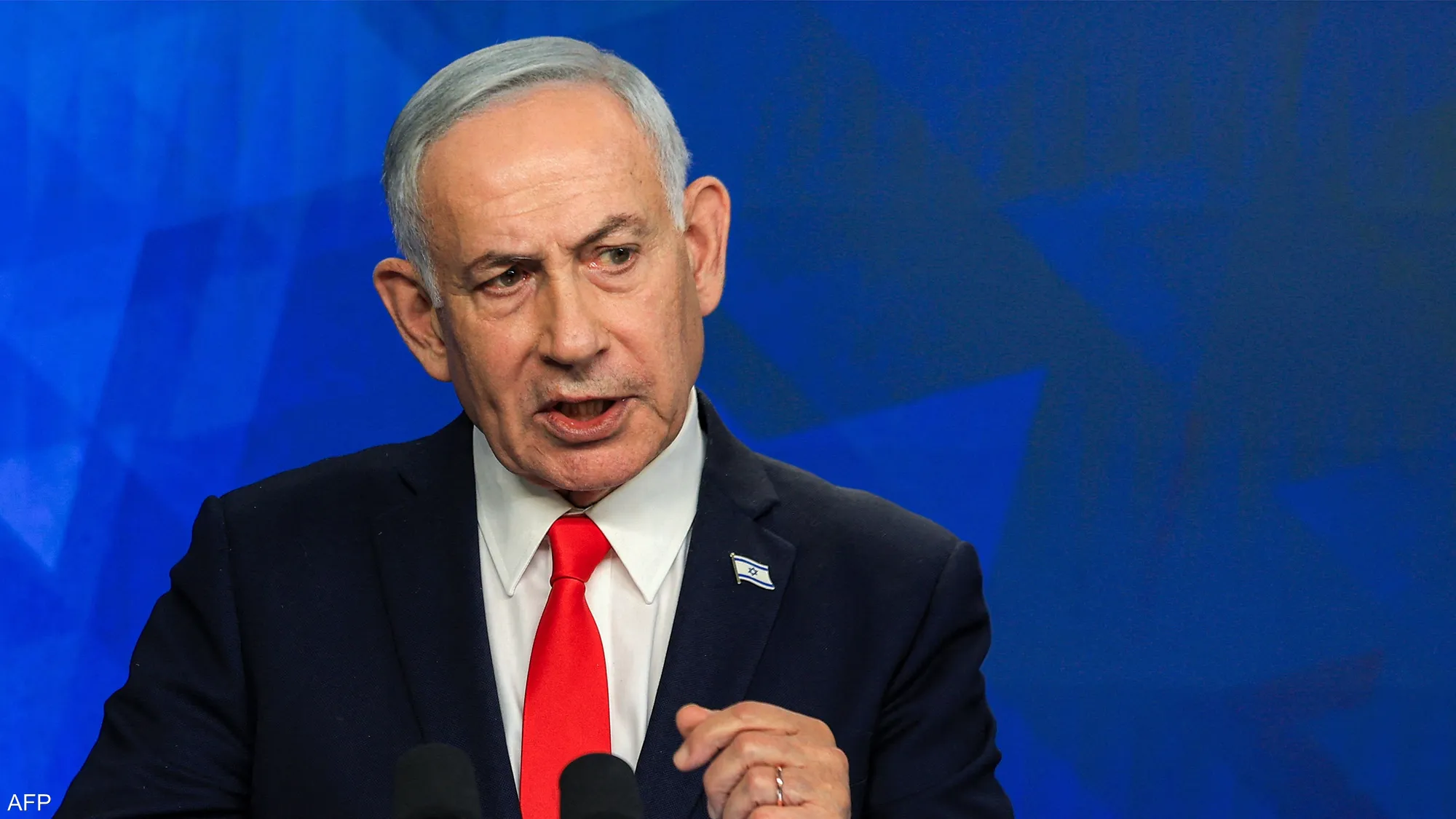
Tel Aviv (Diplomat.so) – Israeli Prime Minister Benjamin Netanyahu said on Thursday, June 25, that Israeli forces will continue to maintain a presence in southern Lebanon and will not withdraw from areas they control as long as security conditions require, amid ongoing regional tensions involving Israel's northern border.
Netanyahu made the remarks during a public address in Jerusalem, stating that Israel’s military posture in the border area is driven by what he described as persistent security requirements. "We control southern Lebanon, and we will remain in the security zone as long as necessary, and we will not withdraw from it,” Netanyahu said. He added that Israel would continue "defending the residents of the north and all citizens of Israel from there,” signaling an extended deployment policy along the Lebanese frontier.
Israeli Army Radio reported that the Israel Defense Forces (IDF) had begun reducing troop levels in southern Lebanon, though no detailed figures or timelines were provided in the broadcast.
Separately, Israeli Energy Minister Eli Cohen said the country would not withdraw from what he described as a "security belt” in Lebanon, even under external diplomatic pressure. "We will not withdraw from the security belt in Lebanon even if Trump or any other American official asks us to,” Cohen said, underscoring internal divisions over the duration of Israel’s forward military positioning. Diplomat News Network could not independently verify the operational scope of the reported troop adjustments.
The developments come amid continued volatility along the Israel-Lebanon border, where cross-border exchanges and security incidents have increased since the escalation of regional hostilities. The area has remained a focal point of military tension, particularly in regions where Israeli forces and Hezbollah-affiliated positions operate in close proximity. Residents in border towns on both sides have reported intermittent disruptions, increased military patrols, and heightened surveillance activity in recent months, though access to independent verification remains limited due to security constraints.
Netanyahu also addressed Iran during his remarks, claiming Israel had neutralized what he called an existential threat. "We removed an existential danger that threatened us,” he said, adding that without Israeli action, Iran could have advanced toward nuclear weapon capability. He further stated, "As long as I am Prime Minister of Israel, Iran will not possess nuclear weapons, and we will not allow it to develop nuclear bombs.”
The remarks are likely to further heighten diplomatic sensitivity in the region, where Lebanon’s sovereignty concerns and international calls for de-escalation remain central to ongoing negotiations. Analysts note that prolonged military presence in southern Lebanon risks complicating ceasefire frameworks and could intensify friction with both Lebanese authorities and international mediators monitoring the border situation.