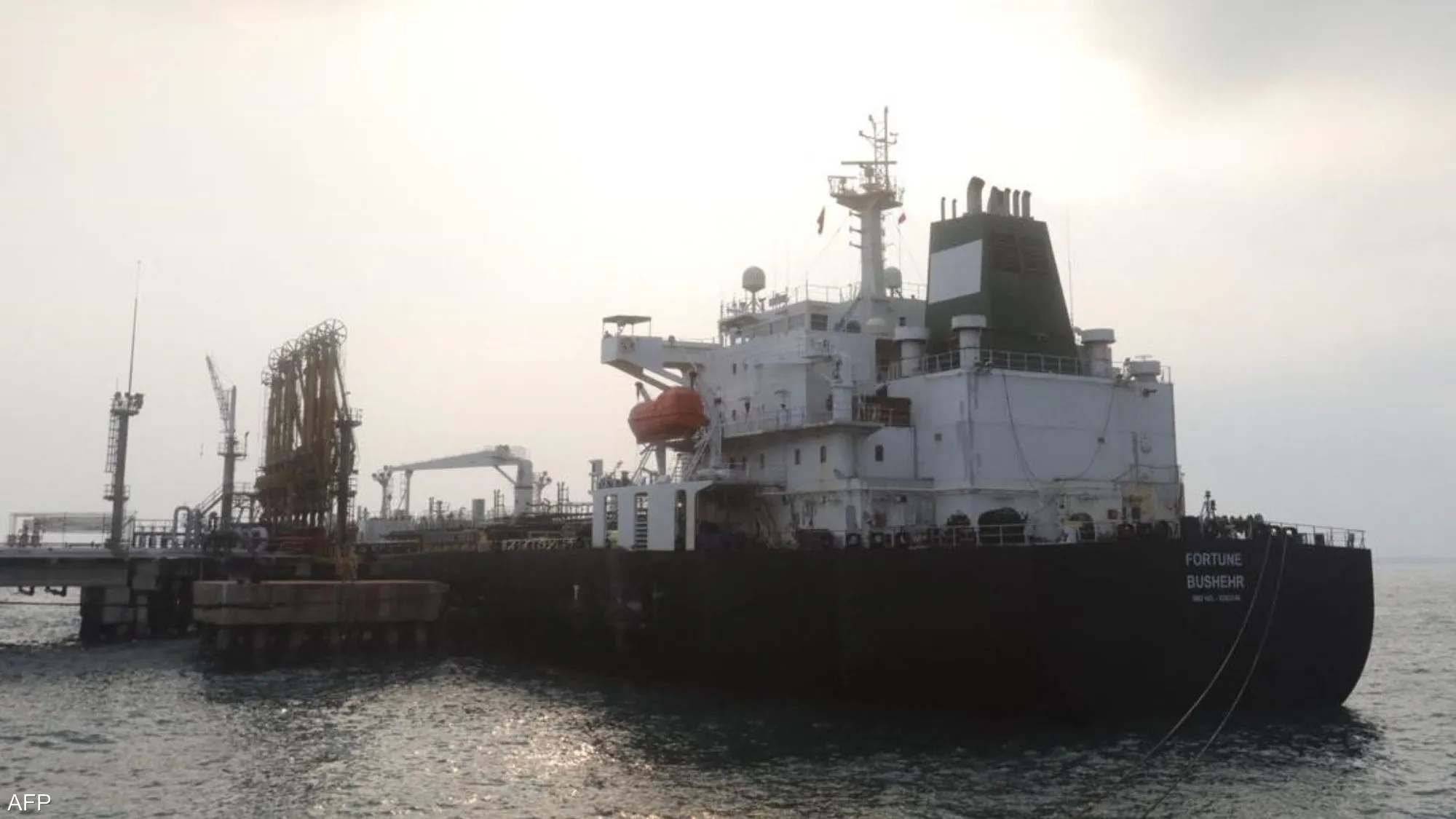
Washington, D.C. (Diplomat.so) - The United States Department of the Treasury on Friday authorized the sale and delivery of Iranian oil and petroleum products stored aboard tankers at sea until April 19, a targeted measure aimed at easing pressure on global energy prices amid disruptions linked to conflict in the Middle East.
The decision was announced by U.S. Treasury Secretary Scott Bessent, who said in a statement on social media that the temporary release of supply could add significant volume to global markets. "By temporarily opening this current supply to the world, the United States will quickly provide about 140 million barrels of oil to global markets,” Bessent said, adding that the move is intended to "increase global energy availability and help ease temporary supply pressures.”
The authorization comes as tensions in the region have contributed to volatility in crude oil prices, driven in part by concerns over supply routes and infrastructure. The measure allows previously restricted cargoes to enter the market under a limited and time-bound framework, rather than remaining idle at sea.
Bessent indicated that the policy forms part of a broader approach that could include selective adjustments to sanctions on Iranian oil. He described the step as temporary and narrowly scoped, emphasizing that it is not intended as a permanent shift in U.S. sanctions policy.
In recent days, the Treasury Department has also outlined similar temporary permissions affecting oil shipments from other countries, including Russia, as part of efforts to stabilize supply chains. Officials have characterized these measures as technical adjustments designed to increase liquidity in the global oil market without substantially altering long-term enforcement policies.
The announcement follows a period of heightened concern over energy flows through critical maritime routes, including the Strait of Hormuz, through which roughly one-fifth of the world’s oil and gas passes. Any disruption in this corridor, combined with reported attacks on energy infrastructure in parts of the Middle East, has contributed to upward pressure on prices and uncertainty among traders.
At a fuel terminal in the region, a dock worker who declined to be named described the situation as "uneasy but stable,” noting that shipping activity has slowed intermittently in recent weeks as operators adjust routes and insurance costs.
Analysts say the U.S. decision reflects an effort to balance enforcement of sanctions with market stabilization. By allowing a controlled release of stored barrels, Washington appears to be seeking short-term price relief while maintaining broader geopolitical pressure on Tehran.