Tehran (Diplomat.so) – The Islamic Revolutionary Guard Corps (IRGC) announced on Sunday, April 5, that its naval and aerospace units conducted missile and drone strikes against multiple targets across the Persian Gulf and northern Israel, as hostilities in the region escalated following weeks of U.S.–Iran–Israel tensions.
The IRGC said its "97th wave” of operations targeted U.S. and Israeli interests, including military personnel and infrastructure in Kuwait and the United Arab Emirates, as well as strategic sites in northern Israel.
The statement detailed that ballistic missiles and precision drones struck what the IRGC described as a U.S. military gathering near the Mohammed Al‑Ahmad naval base in Kuwait and a vessel named King Dao Star in the Jebel Ali port channel in the UAE. The announcement also claimed restrictions on maritime traffic through the Strait of Hormuz to assert control over regional waterways.
Gulf Operations
According to the IRGC, the strike near the Kuwaiti naval base resulted in casualties among U.S. personnel, with the accumulation of ambulances at the scene indicating significant injuries. In the UAE, the cruise missile targeting the King Dao Star vessel reportedly set the ship on fire. The IRGC advised oil tanker and commercial ship crews operating in the Persian Gulf and the Sea of Oman to follow guidance from naval stations and to disregard "false news” concerning the operation.
Local eyewitnesses in port areas reported heightened security presence and maritime vessel diversions, while regional shipping officials confirmed temporary disruptions in the movement of commercial traffic near the Strait of Hormuz. One shipping operator, speaking on condition of anonymity, said, "Vessel traffic has been restricted in both directions, and authorities are monitoring communications closely for safety.”
Missile Strike in Haifa
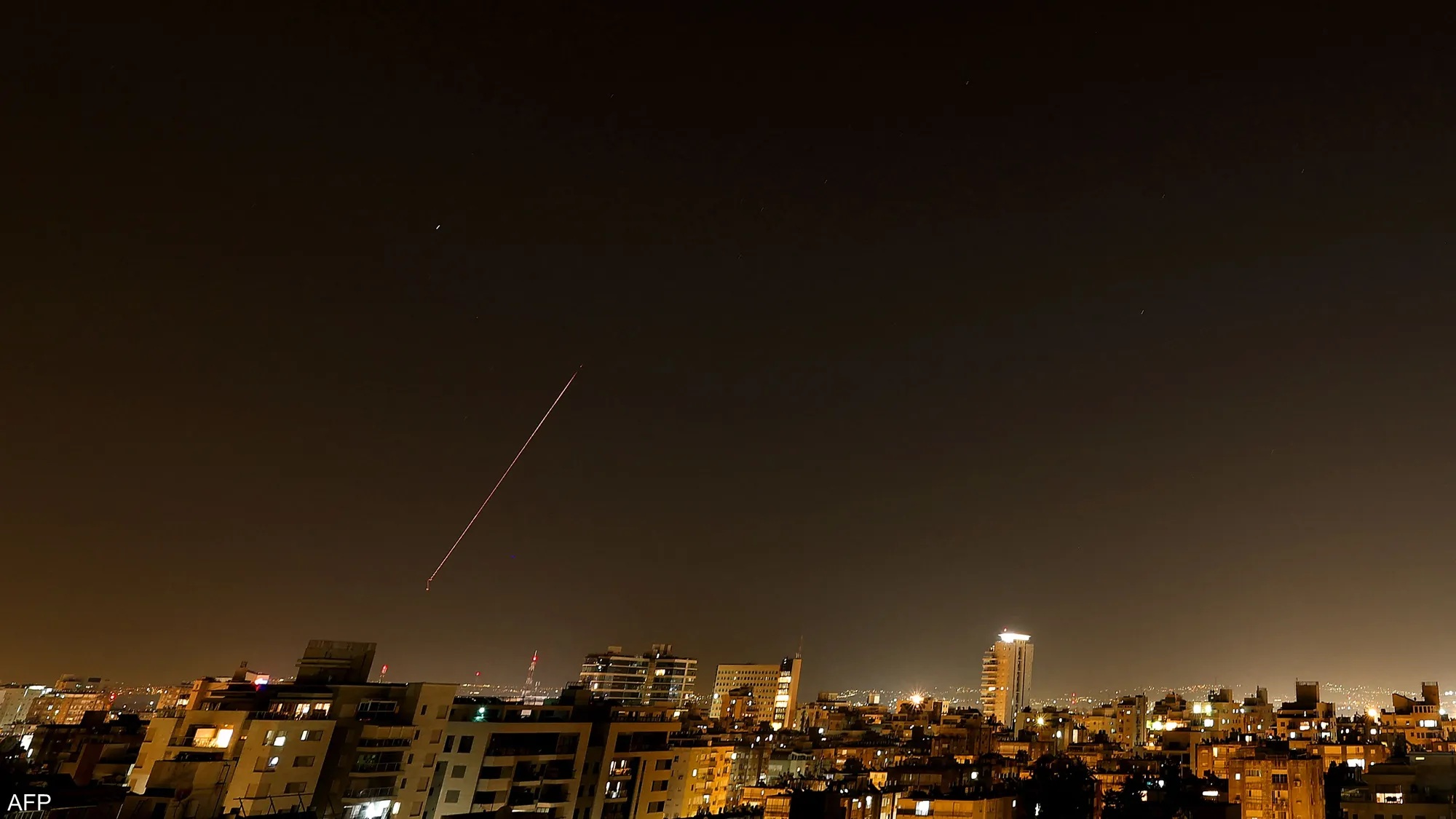
Separately, Israeli authorities reported that Iran-launched missiles struck parts of northern Israel, including the city of Haifa. Channel 13 and local emergency services reported ten civilians were injured after a missile hit a residential building.
The Israel Defense Forces (IDF) confirmed that its air-defense systems attempted interception, but some missiles penetrated the protective shields, causing structural damage. An IDF officer told "Rescue operations are underway, and civilian safety remains our priority amid ongoing threats from missile launches attributed to Iranian forces.”
Residents in Haifa described explosions and alarm sirens, with one local reporting, "The building shook, and people immediately evacuated into stairwells. The fear is palpable as this threat continues.” Emergency teams responded quickly to assess injuries and damage.
Regional Context
The latest incidents are part of an intensifying conflict between Iran and the U.S.-Israeli coalition, which has included air strikes, missile launches, and targeted attacks on military and economic infrastructure in recent weeks. Analysts note that the IRGC’s statements emphasize its operational reach and control over key maritime and energy chokepoints, particularly in the Persian Gulf, a vital conduit for global oil shipments.
Strategic affairs analyst Golnaz Behnam told Diplomat News Network, "Iran’s focus on both military installations and economic infrastructure reflects a deliberate deterrence strategy intended to recalibrate regional power balances; such actions, however, heighten the risk of broader coalition responses and further escalation across the Middle East.”
Implications for Security and Markets
The IRGC’s declaration of operational control over parts of the Strait of Hormuz adds complexity to commercial navigation and regional security.
Economic observers report that uncertainty over shipping through the Gulf contributed to immediate volatility in global oil markets. Analysts warned that continued military escalations could have wider economic repercussions, including delayed shipments, insurance rate increases, and broader energy supply instability.