Washington, D.C. (Diplomat.so) - The United States government announced on Tuesday, April 7, that its military objectives in Iran had been largely achieved, as coordinated U.S. and Israeli airstrikes targeted strategic infrastructure across multiple Iranian provinces amid an escalating regional conflict.
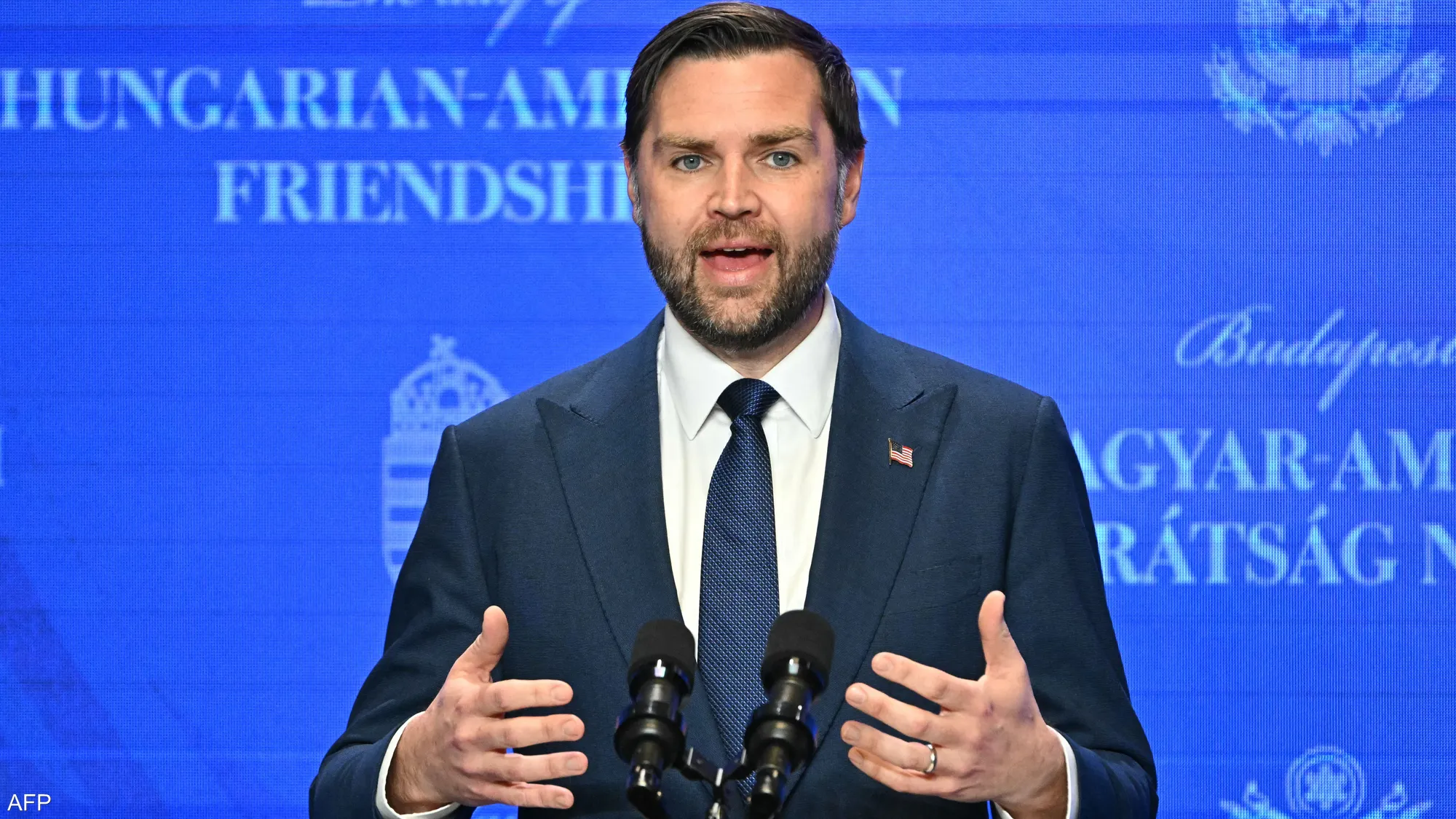
U.S. Vice President J.D. Vance stated during a press briefing in Washington that American forces had completed "to a large extent” their operational goals following a series of precision strikes, including attacks on approximately 50 military targets on Iran’s Kharg Island earlier in the day. He emphasized that energy infrastructure on the island had not yet been directly targeted.
"We have largely achieved our military objectives in Iran,” Vance said, adding that Washington remained cautious about expanding the scope of strikes to critical civilian infrastructure. He also confirmed that diplomatic efforts were ongoing, though hindered by what he described as delays from Tehran in responding to negotiation proposals.
Escalated Air Campaign
In parallel with U.S. statements, multiple Iranian regions reported sustained airstrikes targeting transportation networks and logistical infrastructure, particularly bridges considered vital for military and civilian mobility.
Local authorities in Qom province confirmed that a bridge west of the city of Qom was struck on Tuesday. Morteza Heydari, deputy governor of the region, said in remarks carried by Iranian state television that "one of the bridges outside the city was targeted by the American and Zionist enemy.”
Additional strikes were reported along the Tabriz–Zanjan highway in northwestern Iran, where a bridge was allegedly hit, disrupting a key transit corridor. In central Iran, Akbar Salehi, deputy governor of Isfahan province, confirmed an attack on the Yahya Abad railway bridge near Kashan. According to Salehi, the strike resulted in two fatalities and three injuries.
"The attack targeted a railway bridge in Kashan, leading to casualties among civilians in the area,” Salehi said in a statement reported by the official IRNA news agency.
Residents in affected areas described scenes of disruption and uncertainty. A shopkeeper in Kashan, speaking to Diplomat News Network, said the explosion near the railway line shook nearby buildings. "We heard a loud blast just after sunrise. People rushed outside, and there was visible damage to the tracks and surrounding structures,” he said.
Further reports indicated that a railway bridge in Zanjan province was also struck, though details remained limited. Separately, the "B1 Bridge,” a major elevated roadway connecting Tehran and Karaj, had sustained significant structural damage in an earlier strike on April 2, according to images circulated by local media.
Energy Concerns
Kharg Island, a critical hub for Iran’s oil exports, was among the primary targets of U.S. strikes. A U.S. official, speaking on condition of attribution, confirmed to Diplomat News Network that American forces conducted air raids on military installations on the island.
The island is estimated to handle nearly 90 percent of Iran’s oil exports, making it a strategic focal point in the conflict. Analysts note that any sustained disruption to operations there could have broader implications for global energy markets.
Despite the attacks, Vice President Vance reiterated that U.S. forces had thus far avoided targeting oil infrastructure directly. "We are mindful of the broader economic implications and are acting with precision,” he said.
Civilian Impact and Expanding Target Zones
Iranian media reported casualties in several regions following the latest wave of strikes. In Alborz province, northwest of Tehran, at least 18 people were killed and 24 others injured in an airstrike, according to the judiciary-affiliated Mizan News Agency.
In Pardis, a rapidly expanding residential suburb east of Tehran, a separate strike on a housing complex early Tuesday killed six people, according to Mehr News Agency. The area, developed over the past 15 years to accommodate population growth in the capital, has seen increased civilian density.
Explosions were also reported in northern Tehran, with witnesses describing multiple blasts during the early morning hours. A university student in the capital told Diplomat News Network that "the sound of explosions echoed across several neighborhoods. Emergency vehicles were seen moving quickly toward the northern districts.”
Additionally, Khorramabad Airport and a major petrochemical facility in Shiraz were among the sites targeted. The Israeli military confirmed it had struck a petrochemical complex in Shiraz, stating that the facility was involved in producing nitric acid, a key component in explosives and ballistic missile development.
Diplomatic Pressure
The military escalation comes as U.S. President Donald Trump imposed a deadline for Iran to reopen the Strait of Hormuz and agree to terms of a proposed settlement. The deadline, set for midnight Tuesday GMT, has intensified pressure on Tehran.
In a post on the Truth Social platform, Trump suggested the possibility of a breakthrough but also warned of severe consequences if no agreement is reached. "Perhaps something revolutionary could happen,” he wrote, while maintaining that military options remained on the table.
On Monday, Trump stated that U.S. forces could begin targeting bridges and power stations across Iran if negotiations fail. "Every bridge will be destroyed, and power generation will cease,” he said, underscoring the administration’s readiness to escalate.
Vice President Vance indicated that the United States still anticipates a response from Iran before the deadline. "We believe there is still an opportunity for engagement, but time is limited,” he said.
Regional Implications
The current phase of the conflict marks a significant shift toward targeting infrastructure that supports both military logistics and civilian daily life. Bridges and railways play a crucial role in Iran’s internal connectivity, and their disruption could hinder troop movements as well as economic activity.
The involvement of Israel alongside the United States reflects deepening military coordination between the two allies in confronting Iran’s regional influence and missile capabilities. Previous strikes on petrochemical facilities in Assaluyeh and Mahshahr indicate a sustained campaign to degrade Iran’s industrial base connected to defense production.
Regional observers warn that continued escalation could provoke retaliatory measures from Iran, including potential disruptions to maritime traffic in the Strait of Hormuz, a vital artery for global oil trade.
Outlook and Uncertainty
As the deadline approaches, uncertainty remains over whether diplomatic channels can yield a de-escalation. The combination of intensified military operations and ongoing negotiations underscores the fragile balance between conflict and diplomacy.
For civilians within Iran, the immediate concern centers on safety and access to essential services, as infrastructure damage accumulates. For the broader region, the developments signal a critical juncture with potential implications for international security and stability.