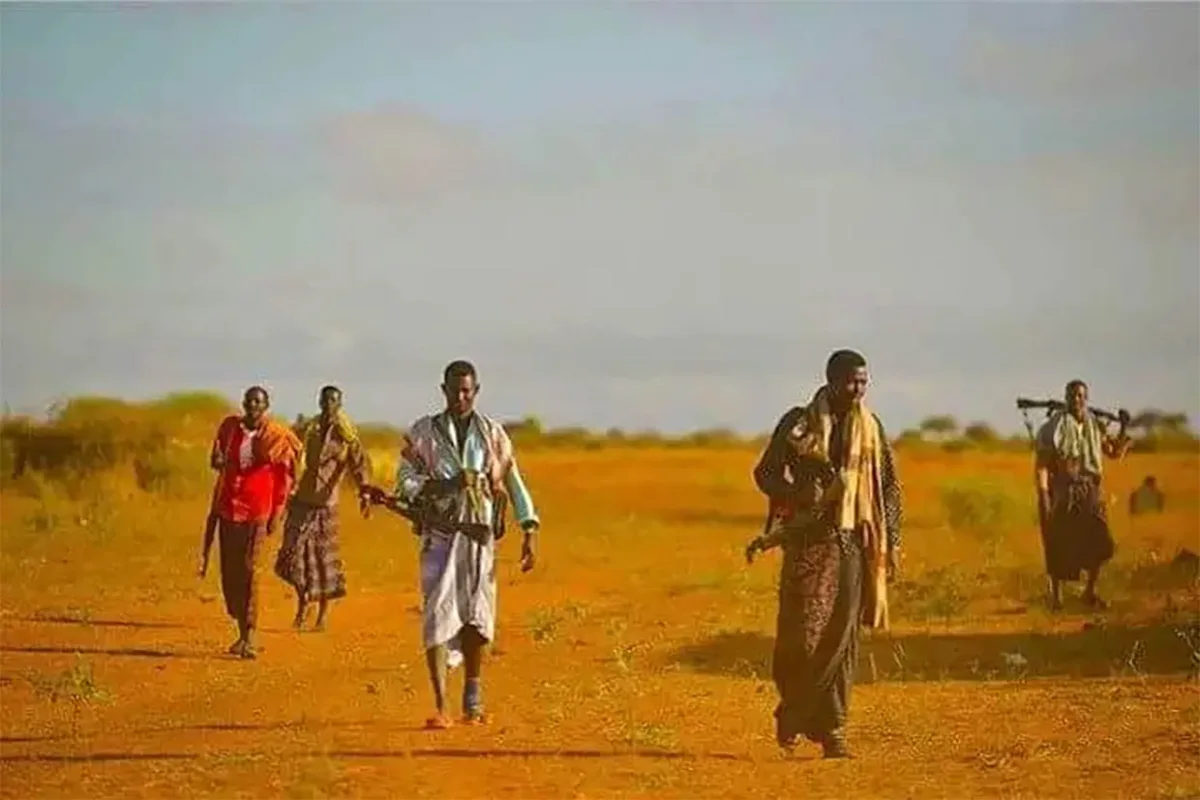
Nairobi (Diplomat.so) - The National Police Service reported that at least 12 people were killed in Tseikuru sub-county, Kitui County, on Sunday, April 26, following retaliatory attacks between Somali herders and Kamba residents.
Kenyan Authorities said the killings are part of a cycle of violence that began on March 29, when a 44-year-old Kamba herdsman was fatally attacked near Mwingi Game Reserve. The following day, four members of the Somali ethnic group were killed in what police described as a revenge attack, escalating tensions across the region.
Police confirmed that seven additional victims were shot dead on Saturday evening in Kwa Kamari village. Witnesses told Diplomat News Network that armed men ambushed residents at a local market and nearby farmland. "They came suddenly and started shooting. People ran in all directions,” said a trader who requested anonymity due to security concerns. One survivor remains in critical condition at Tseikuru Level IV Hospital.
Kitui County Commissioner Erastus Mbu said the attackers fled toward the nearby reserve in an unmarked vehicle. "Security teams have been deployed to pursue the suspects and restore calm. We are urging anyone with information to come forward,” Mbu said in a statement.
Tseikuru, located in Mwingi North sub-county of Kitui County, is predominantly inhabited by the Kamba ethnic group, alongside Somali pastoralist groups who seasonally migrate into the area. These movements are often driven by drought conditions in northern Kenya, bringing herders into closer contact with settled farming populations and increasing competition over land and water resources.
The violence has also displaced several families after homes were set ablaze during the attacks. Residents described scenes of panic, with some fleeing overnight to neighboring villages. "We left everything behind. The children are traumatized,” said a local farmer whose home was destroyed.
Political leaders, including Kalonzo Musyoka, linked the unrest to long-standing disputes over land use between farmers and pastoralists migrating from neighboring counties in search of water and pasture. "This is not merely a tragedy. It reflects a serious failure in governance and conflict management,” Musyoka said during a public address.
Local residents allege that herders’ camels frequently destroy crops such as maize, intensifying tensions. Some also claim that armed groups accompany the herders, raising fears of further violence if security measures are not strengthened.
Tseikuru has experienced repeated clashes over the years involving pastoralist movements and farming populations. Analysts note that recurring drought conditions and competition over dwindling resources continue to exacerbate these conflicts.
The National Police Service stated it is "deeply concerned” by the fatalities and has dispatched specialized units to stabilize the area and investigate the attacks. Officials are also calling on local leaders to promote dialogue and prevent further escalation, as concerns grow over the potential for additional retaliatory violence in the coming days.