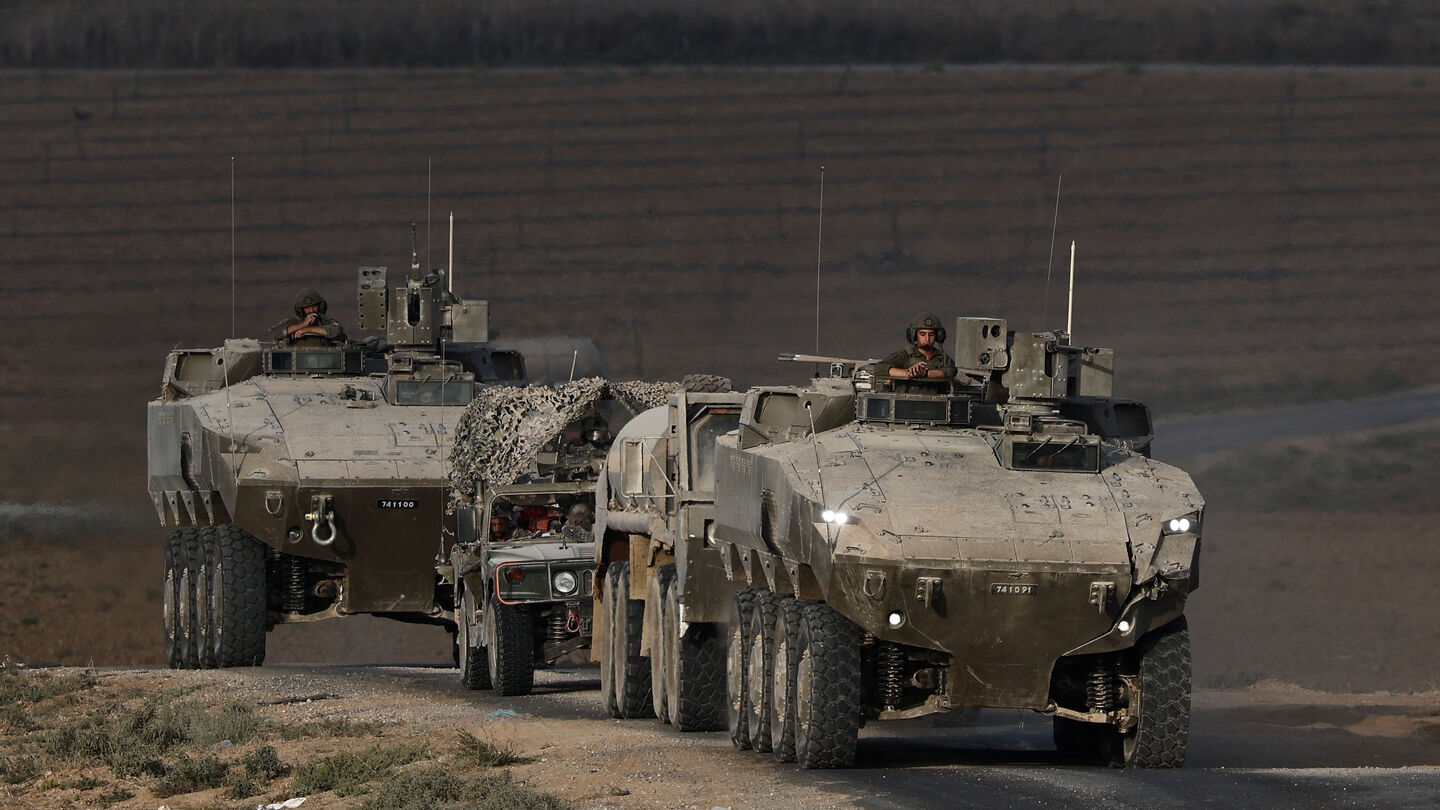
Accra (Diplomat.so) - Ghana disclosed on Sunday that the previous administration transferred US$40 million to an Israeli defense company for 19 armored vehicles that were never delivered, government spokesperson Felix Kwakye Ofosu confirmed. The current administration has vowed to ensure the supplier either fulfills the contract or refunds the payment.
"The contract was signed under the last administration, and despite the transfer of funds, the vehicles never arrived,” Kwakye Ofosu said at a press briefing in Accra. He did not disclose the supplier’s name or the exact date of payment, noting that investigations are ongoing.
Defense analyst Boakye Mensah described the case as a warning on the need for stricter oversight in military procurement. "Ghana must ensure that all defense contracts include clear timelines and accountability mechanisms,” he said.
Officials have indicated that records of correspondence with the Israeli company remain incomplete, leaving uncertainties about follow-up actions. A source familiar with the transaction, speaking on condition of anonymity, confirmed that the funds were transferred through official channels, but documentation is still under verification.
Government consultants are proposing a long-term strategy to strengthen domestic defense capabilities.
Sources indicate that the Israeli company has requested payment of the remaining balance under the contract before delivering the armored vehicles, as both parties continue negotiations to resolve the dispute.
Historically, Ghana’s defense procurement has faced delays and disputes over non-delivery. Analysts suggest that successfully resolving this $40 million case could set a precedent for more transparent future contracts.