Bamako (Diplomat.so) - Drivers across Bamako faced a growing diesel shortage on Thursday after the Malian Oil Companies Association confirmed that limited fuel supplies were being redirected to the state power utility Énergie du Mali to support electricity generation during a period of rising outages.
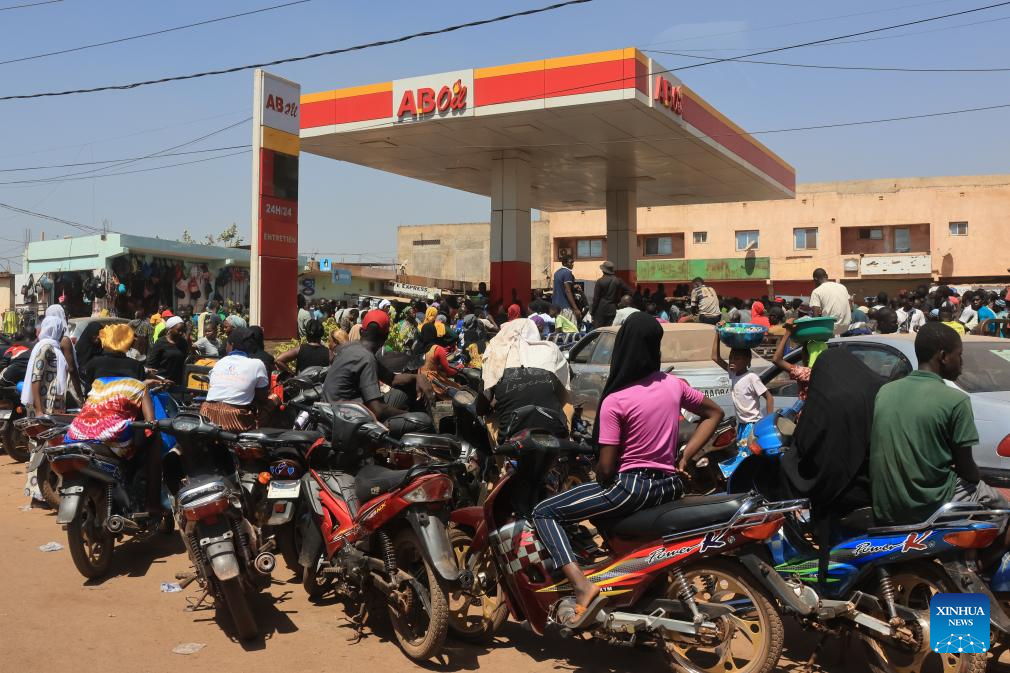
Fuel stations across the Malian capital reported dwindling diesel stocks, forcing many operators to suspend sales as queues of vehicles stretched along major roads. Motorcycles, taxis, and delivery trucks lined up for hours under the midday heat, with drivers sometimes leaving their vehicles in place to maintain their position.
At a private fuel station near King Fahd Bridge, attendants said supplies had run out days earlier. A station employee described the situation as increasingly tense as motorists continued to arrive despite empty storage tanks. "The station has been out of fuel for three days,” the worker said. "People keep asking when the next truck will come, but we don’t have clear information.”
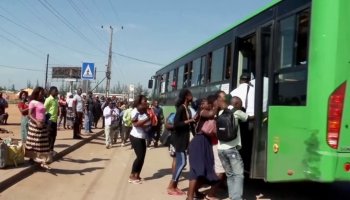
The shortage is beginning to disrupt daily transportation across the capital. Local media reported that more than 100 vehicles used in public transport were unable to operate earlier this week because drivers could not obtain diesel. Commuters waited longer at roadside pickup points as buses and shared taxis reduced their routes.
Construction activity has also slowed. The Sand Producers Association said trucks delivering sand and gravel to building sites have been forced to halt operations after running out of fuel. "Our trucks are parked because there is no diesel available,” a representative said, warning that prolonged shortages could affect building projects across the city.
Energy officials said the limited diesel reaching Bamako is being prioritized for Énergie du Mali, which relies on fuel-powered thermal plants to supplement electricity production. Recent power cuts across Bamako and nearby districts have increased pressure on the utility as temperatures rise.
Security concerns have compounded the supply problem. Al-Qaeda-linked militants have repeatedly targeted tanker convoys transporting fuel into Mali, including routes from Senegal and Côte d’Ivoire. Attacks on these supply lines are intended to disrupt economic activity and weaken the government’s control over strategic transport corridors.
Residents say the shortage has forced them to rely on informal information networks to locate fuel deliveries. Motorcyclist Samba Diallo said he had waited nearly a full day after hearing that a nearby station might receive a shipment. "Sometimes you hear that fuel is coming, but by the time you arrive the queue is already too long,” he said.
Analysts say the situation highlights Mali’s dependence on imported fuel transported by road and the vulnerability of these routes amid ongoing insurgent violence. Without stable supply corridors, disruptions in deliveries can quickly ripple through transportation, electricity generation, and everyday economic activity in the capital.