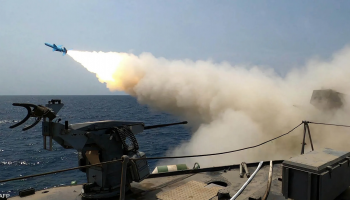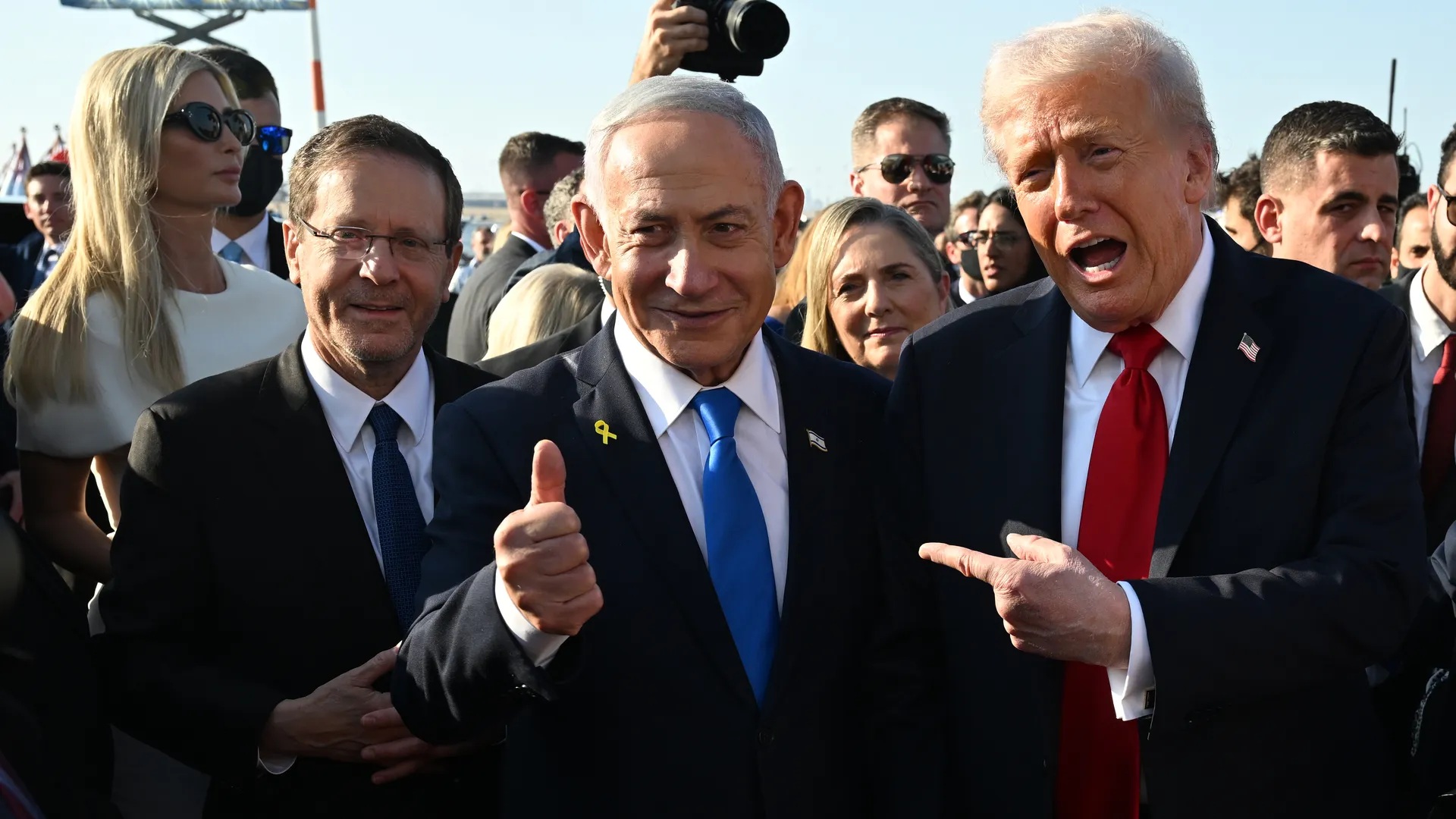
Washington, D.C. (Diplomat.so) - After weeks of intensive Israeli and U.S. airstrikes targeting Iranian military and nuclear infrastructure, officials from both countries are recalibrating their objectives, moving away from regime change toward focused military neutralization, multiple sources confirmed Wednesday. The decision reflects the realization that Tehran remains structurally resilient despite sustained bombardment.
A senior Israeli defense official said the initial expectation of quickly destabilizing Iran was overly optimistic. "We assumed that targeted pressure could force political upheaval,” the official said, "but the population’s response in major cities shows the regime is far more entrenched than we anticipated.” Analysts note that earlier hopes for a rapid leadership collapse now appear unrealistic.
In Washington, policymakers have faced scrutiny over inconsistent messaging. While initial statements emphasized promoting Iranian political transformation, current guidance focuses on neutralizing strategic military capabilities. Experts warn that if hostilities pause without decisive outcomes, Iran could restore its nuclear infrastructure and conventional forces, potentially requiring repeated operations or limited deployments.
On the streets of Tehran, residents report heightened security and a tense atmosphere. Farzad Nourani, a shopkeeper, said, "Even those who were critical of the government now support it. After weeks of attacks, survival and stability are the priorities.” Observers noted long queues at essential shops, military checkpoints, and government announcements reinforcing solidarity, signaling widespread adaptation to the ongoing conflict.
Analysts from the Atlantic Council, The Guardian, and the Times of Israel caution that a surviving Iranian regime could respond with asymmetric tactics, regional proxy actions, or renewed nuclear hedging.
Critics of U.S. planning argue that early strategies underestimated potential economic fallout, including volatile oil markets, as well as the complexity of Iranian internal politics. Turkish Foreign Minister Hakan Fidan commented this week, "No one can predict how long these exchanges will continue or what the outcome will be.”
Military planners now appear to be balancing achievable targets with indirect diplomacy and third-party mediation to avoid an open-ended conflict. Analysts suggest that without regime collapse, the U.S. and Israel could face a long-term adversary requiring periodic interventions, strategic containment, and ongoing vigilance.