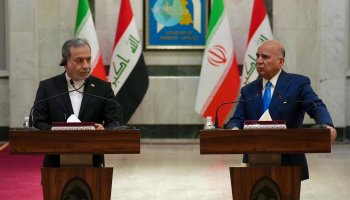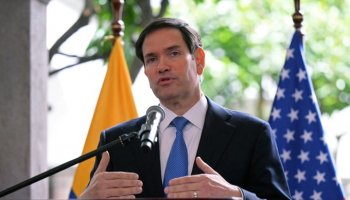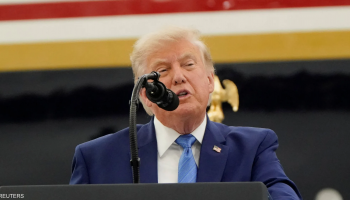
Tehran (Diplomat.so) - Iranian Parliament Speaker Mohammad Baqer Qalibaf sharply criticized the United States on Tuesday after US Energy Secretary Chris Wright posted—and then deleted—a claim that the US Navy had escorted an oil tanker through the Strait of Hormuz. The White House promptly denied the assertion, and Iranian officials accused Washington of spreading misinformation to influence global oil markets.
Wright’s post, published on social media at 1:02 PM US Eastern Time (17:02 GMT), asserted that US naval forces had secured tanker passage through the strategic waterway, praising the Trump administration for "maintaining stability of global energy during military operations against Iran.” The post was removed within 30 minutes without explanation. White House Press Secretary Karoline Leavitt later confirmed to reporters: "I can confirm that the US Navy has not escorted a tanker or a vessel at this time.”
The Strait of Hormuz, a narrow channel between Iran, Oman, and the United Arab Emirates, transits more than 20% of the world’s oil supply. Commercial traffic has effectively stalled since February 28, when the US and Israel launched military strikes against Iran, amid fears of retaliation. Local tanker operator Hassan Saeed told Diplomat News Network, "The port is quiet, almost deserted. Tankers are anchored offshore, waiting for any signal that it is safe to pass.”
Iranian Foreign Minister Abbas Araqchi condemned Wright’s post as deliberate market manipulation. "US officials are posting fake news to manipulate markets,” he wrote on social media, warning that the world faces "the biggest shortfall in history” in oil supply, surpassing prior crises such as the Arab Oil Embargo and the Iran-Iraq war.
Analysts say the episode illustrates a broader pattern of unverified statements from Washington, designed to temporarily calm energy markets while concealing the ongoing disruption.
The misinformation campaign has already affected global oil prices, with US gasoline rising 43 cents per gallon in the past week, according to the American Automobile Association. Public opposition to the war in the US remains strong: a Quinnipiac University poll released Monday found that 53% of Americans oppose military action against Iran.
Observers warn that until substantive diplomatic or security solutions emerge, both global energy markets and regional stability will remain highly vulnerable.