Tehran (Diplomat.so) - The Islamic Revolutionary Guard Corps (IRGC) announced on Tuesday, that it will block all oil exports from the Middle East if U.S. and Israeli military attacks on Iranian infrastructure persist, marking a sharp escalation in a conflict now entering its 10th day.
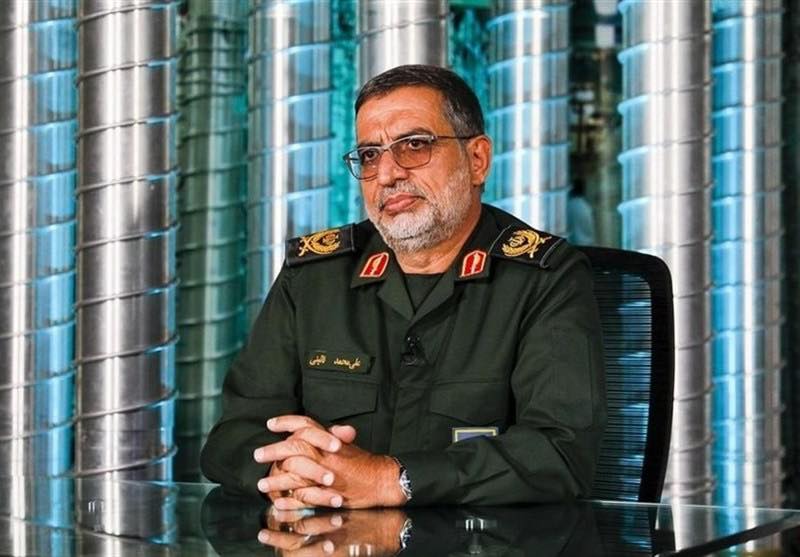
IRGC spokesman General Ali Mohammad Naeini issued the warning during a Tehran press briefing, emphasizing Iran’s readiness to take decisive military and economic measures.
Naeini criticized the United States and Israel, asserting that American forces have withdrawn more than 1,000 kilometers from Iranian missile range, while Israeli personnel are reportedly sheltering among civilians. "The Armed Forces of the Islamic Republic will not allow a single liter of oil to be exported from the region until further notice,” he said. "The initiative regarding battlefield conditions and ending the war lies with the Islamic Republic.”
Observers on the ground report heightened tension along the Strait of Hormuz, a critical chokepoint for global crude transport. In Dubai’s port area, tanker captain Hassaan Abdow described shipping companies rerouting vessels and insurers declining coverage due to security risks. "Every vessel is now avoiding Hormuz entirely,” he said, noting the immediate economic impact on regional trade.
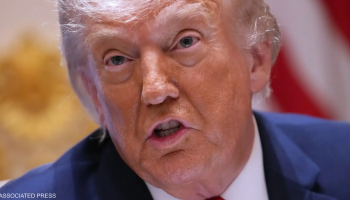
The U.S. administration has condemned Iran’s blockade threats. In a White House briefing on Monday, officials warned that interfering with international shipping lanes would prompt "significant escalation” and reiterated President Donald Trump’s prior statement that U.S. forces would respond forcefully to any obstruction of oil flows.
Analysts note that the IRGC’s warning underscores Tehran’s strategy of leveraging energy routes as both a bargaining tool and a deterrent. "Iran is signaling that control over Hormuz is central to its regional posture,” said Middle East security expert Leila Murjan, highlighting the potential for both economic and diplomatic consequences.
The confrontation highlights a widening regional crisis in which military operations, energy security, and international trade intersect. For global markets and Gulf states, the IRGC’s blockade threat represents a direct challenge to stability and signals that the resolution of the conflict may depend as much on economic pressure as battlefield outcomes.