Washington (diplomat.so) - In a bold move, the Biden administration remains undeterred in pursuing its postwar vision for the Gaza Strip, despite Israeli Prime Minister Benjamin Netanyahu rejecting a key element of the plan— the establishment of a Palestinian state. The White House is also actively working towards brokering a normalization of relations between Israel and Saudi Arabia, a significant goal with extensive economic and security implications for the region.
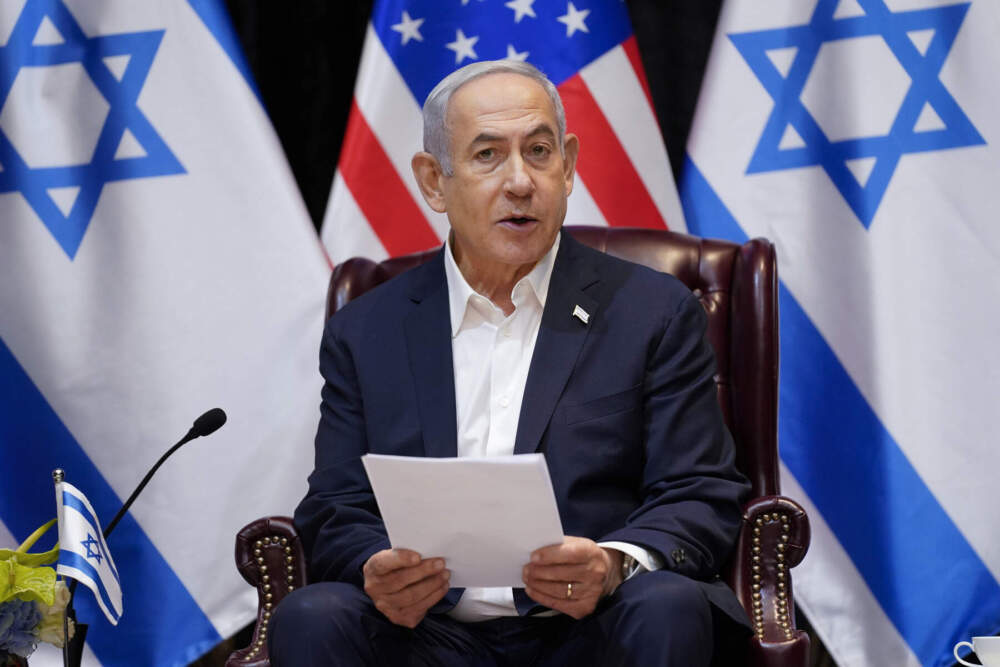
During a nationally broadcast news conference on Thursday, Netanyahu insisted on Israeli security control over all Palestinian territories, stating that it clashes with the concept of sovereignty. In response, National Security Council spokesman John Kirby dismissed the remark, emphasizing the belief that Palestinians have the right to live in an independent state with peace and security.
The Biden administration has openly pressured Israel to scale back its offensive in Gaza, following an attack by Hamas on October 7 that resulted in the bloodiest episode for Israel in the decades-long conflict, killing 1,200 people.
Despite Netanyahu's resistance, U.S. Secretary of State Antony Blinken has warned that without a two-state solution, Arab countries may not participate in the reconstruction of Gaza.
The growing divide between the Israeli government and its staunchest supporter in the military campaign against Hamas reveals deep-rooted disagreements. The Biden administration's stance underscores its commitment to a two-state solution and Palestinian self-governance.
Israel-Saudi Normalization and U.S. Strategy
Amidst these tensions, details emerge about the Biden administration's strategy for normalization between Israel and Saudi Arabia. The White House envisions this normalization tied to a political horizon for the Palestinians, extending beyond direct negotiations to regional agreements—a departure from the Trump administration's Abraham Accords.
White House national security adviser Jake Sullivan outlined four principles guiding the U.S. vision for postwar Gaza, including preventing the enclave from becoming a launch pad for terror attacks, fostering peaceful relations between Israel and Arab neighbors, establishing an independent Palestinian state, and ensuring security for Israel.
Possible Exit Strategy for Netanyahu?
As the military campaign takes a toll on Israel's finances and international support wanes, Netanyahu may be seeking an exit strategy. The prospect of normalization with Saudi Arabia could be seen as a political win for the embattled prime minister, facing corruption trials and criticism for failing to prevent the Hamas attack.
However, experts suggest that it's U.S. pressure, rather than the normalization carrot, that may influence Netanyahu's decisions. Some members of Netanyahu's government advocate for full control of Gaza and the expulsion of Palestinians, while Washington continues to oppose international calls for a cease-fire, citing concerns about Hamas regrouping.
In the complex diplomatic landscape, Riyadh, eyeing a defense treaty with the U.S. for protection against Iran, has suspended normalization talks due to mounting Palestinian deaths inflaming the Arab world. Saudi Foreign Minister Prince Faisal bin Farhan emphasized that normalization can only happen with a Palestinian state, viewing a cease-fire as a starting point for peace. Washington maintains its opposition to a cease-fire in Gaza, citing concerns about Hamas resurgence.