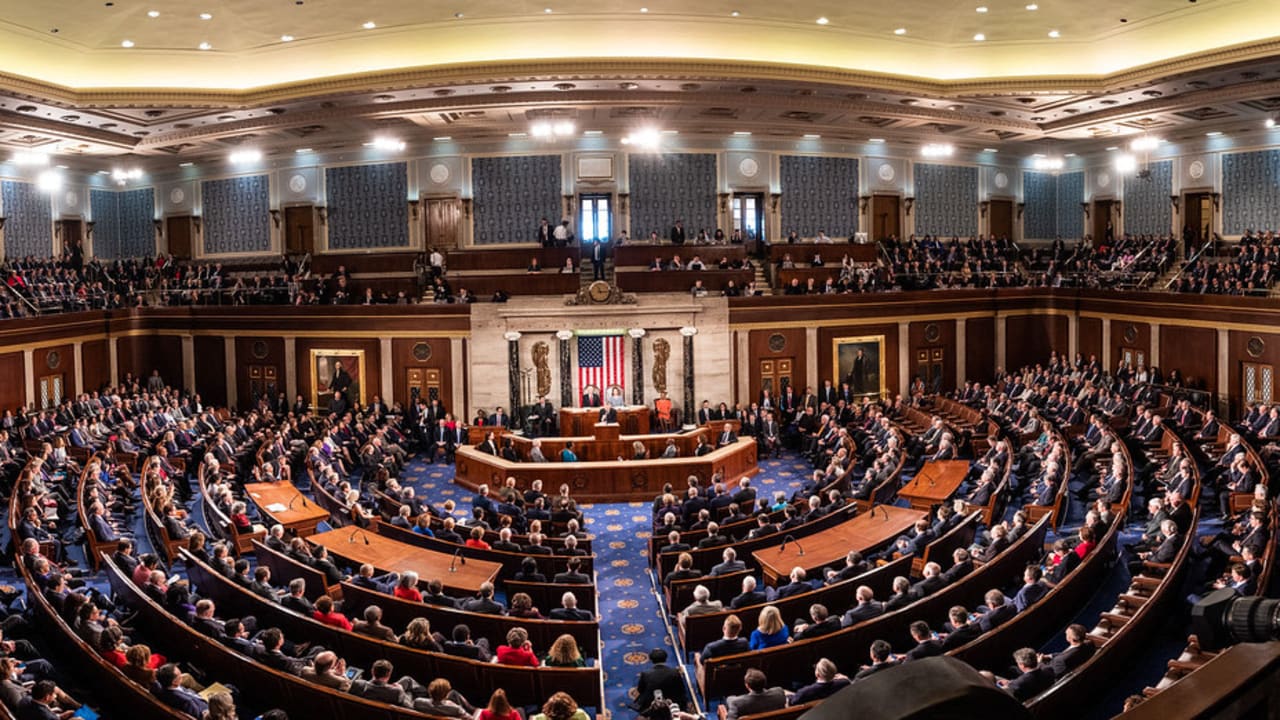
Washington, D.C. (Diplomat.so) – The US Senate on Thursday, voted down two proposed resolutions aimed at halting approximately $450 million in arms sales to Israel while also rejecting a separate Democratic-led measure seeking to restrict President Donald Trump's authority to use military force against Iran, according to official congressional voting records released in Washington.
The Senate outcome reflected strong bipartisan divisions on US foreign policy, with most Republican senators opposing both measures and a majority of Democrats supporting the proposed restrictions on arms transfers. Lawmakers recorded a 52–47 vote against the war powers resolution, with Senator Rand Paul of Kentucky joining Democrats in support, while Senator John Fetterman of Pennsylvania broke ranks with his party to oppose it.
The blocked arms sales resolutions targeted military equipment linked to Israel’s defensive and operational capabilities, including systems associated with the "Iron Dome” defense network. Senate floor proceedings indicated concerns among proponents that continued arms transfers could contribute to civilian harm in ongoing military operations, though the resolutions failed to reach the threshold required for adoption.
Senator Maria Thompson, speaking during the debate as recorded in the Senate session transcript, stated that "Congress must exercise its constitutional responsibility when civilian protection is at risk in active conflict zones.” In contrast, Senator Richard Halvorsen argued in remarks documented in the same proceedings that "limiting defensive support to an allied state under threat undermines regional deterrence and long-standing security commitments.”
A spokesperson for the Senate Foreign Relations Committee told Diplomat News Network that the votes "underscore a widening ideological divide over the scope of US military assistance and executive war-making authority,” adding that bipartisan consensus on Middle East security policy "has become increasingly difficult to sustain.”
On Capitol Hill, the votes unfolded amid tightly controlled security and steady media presence, with journalists observing heightened engagement from advocacy groups in committee galleries. Outside the chamber, small gatherings of protesters and supporters of the resolutions alternated chants, reflecting competing public pressures on lawmakers.
The broader context of the votes highlights shifting dynamics within both major US political parties. Within the Democratic Party, internal disagreements have intensified over military assistance to Israel, including debate over funding for defensive systems. Meanwhile, Republican senators largely maintained alignment with President Trump’s foreign policy stance, emphasizing executive flexibility in military decision-making regarding Iran.
Analysts note that the 52–47 outcome on war powers signals continued congressional reluctance to reclaim authority over the use of force, a debate rooted in post-9/11 military engagements and long-standing interpretations of executive power. The rejection of arms restrictions also reflects the enduring strategic partnership between Washington and Tel Aviv, even as political friction grows in parts of Congress.
The votes are expected to influence upcoming legislative discussions on defense appropriations and oversight of executive military authorization, with lawmakers preparing for further debates on regional security policy and humanitarian considerations in conflict zones.