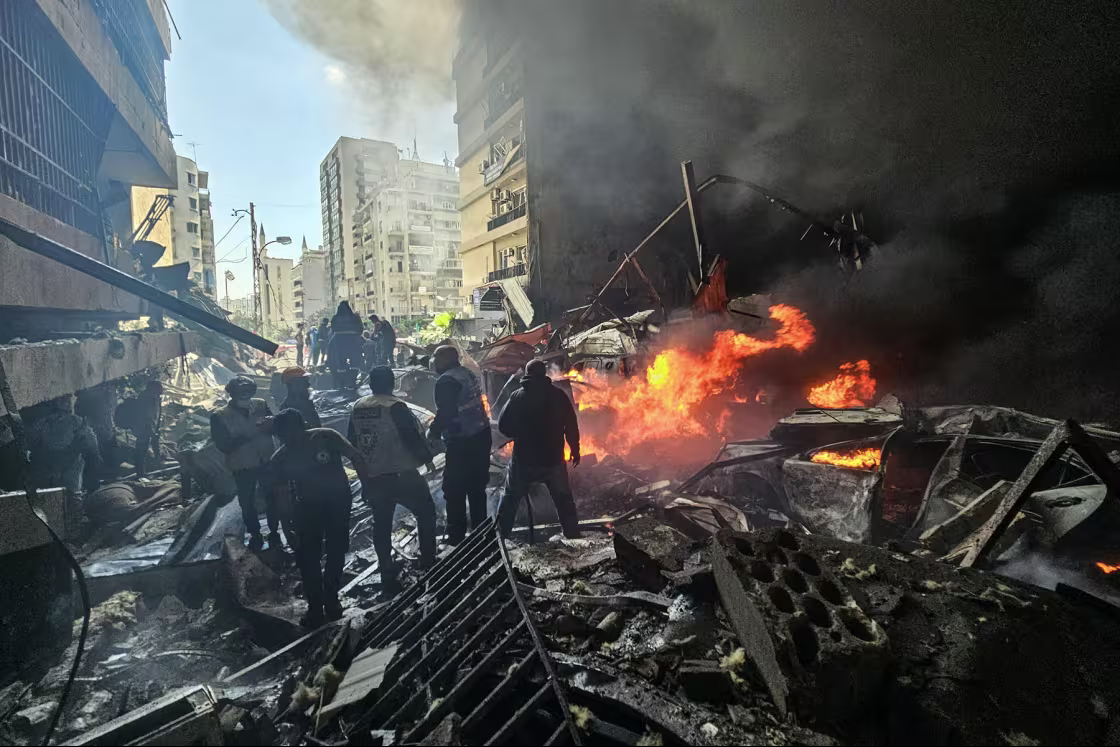
Beirut (Diplomat.so) – Diplomat News Network reports that Israeli warplanes and drones carried out multiple airstrikes across southern Lebanon and Hezbollah announced rocket attacks into northern Israel on Thursday, April 16.
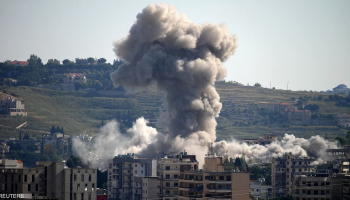
Diplomat News Network reports that Israeli warplanes and drones carried out multiple airstrikes across southern Lebanon and Hezbollah announced rocket attacks into northern Israel on Thursday, April 16. The escalation included strikes on Arab Salim, Jabal al-Rafi, Qana, and Siddiqin, alongside reported rocket launches toward Israeli border towns and sirens activated in northern communities. The exchange marked one of the most intense cross-border flare-ups in recent weeks, with both sides reporting operational activity across multiple fronts. Local residents described repeated low-altitude aircraft movement and intermittent explosions echoing across rural valleys in southern Lebanon.
Israeli Air Operations Across Southern Lebanon
Lebanese security sources and local witnesses reported that Israeli aircraft conducted a series of airstrikes targeting multiple areas in the Nabatieh and Tyre districts, including Arab Salim and the mountainous Jabal al-Rafi region. Additional strikes were reported in Qana and Siddiqin, where explosions were heard shortly after drone overflights.
Residents in the affected areas described scenes of panic as some families evacuated homes during the strikes. "The sound of aircraft was constant, followed by strong explosions that shook windows,” said one resident from Siddiqin speaking to local reporters.
The Israeli military has not provided an independent detailed operational breakdown of each strike, but Israeli media outlets reported that the operations were part of ongoing efforts to target infrastructure and armed positions in southern Lebanon.
Hezbollah Rocket Attacks and Military Claims
In parallel, Hezbollah announced a series of rocket attacks targeting northern Israel. In a statement attributed to its military wing, the group said its fighters "targeted the Ya’ara settlement with a rocket salvo at 17:30 in response to enemy violations.”
Hezbollah also claimed responsibility for additional strikes on Israeli military positions, including artillery sites in the northern sector and gatherings of troops near former border confrontation points.
Israeli media reported that approximately five rockets were launched from Lebanese territory toward the Krayot area, triggering air raid sirens in Haifa and surrounding regions, as well as in Hanita and Ya’ara in the western Galilee. Israeli emergency services confirmed that alerts were activated across multiple communities, prompting temporary sheltering measures for civilians.
An Israeli security source, cited by domestic broadcasters, said the situation remained "fluid and highly sensitive,” noting continued monitoring of cross-border activity.
Civilian Impact and Roadway Incident in Lebanon
Lebanon’s National News Agency reported that a separate Israeli drone strike on a vehicle along the Dahr al-Baydar highway resulted in one fatality. The road connects Beirut with Damascus and is considered a key transit route for both commercial and civilian movement.
According to the agency, the strike caused significant traffic disruption as authorities temporarily restricted movement along sections of the highway. Commuters described long delays and heavy congestion stretching for several kilometers.
In another reported incident, a drone strike in the Saadnayel area allegedly targeted a vehicle, leaving one woman dead and two children injured, according to preliminary medical sources cited by local responders.
Emergency personnel in southern Lebanon also reported casualties in additional strikes, including an attack on a house in Sksakiyeh that killed a teenage boy and injured four others, though full verification of the casualty figures remains ongoing.
Israeli Media Reports on Ceasefire Discussions
Israeli media outlets, including Channel 12 and Kan, reported that discussions within Israeli political and security circles have intensified regarding the possibility of a ceasefire arrangement with Lebanon. Reports suggested that external diplomatic pressure, including from the United States, has contributed to renewed engagement on potential de-escalation pathways.
A Channel 12 report cited unnamed sources describing "movement toward a ceasefire understanding,” while Kan television reported that officials assessed a potential announcement could emerge if negotiations progress in the coming days.
Barak Ravid, an Israeli journalist citing senior security officials, reported that "an announcement on a ceasefire with Lebanon is expected to be considered within the current diplomatic window,” reflecting internal deliberations rather than finalized agreements.
Regional and Security Context
The current escalation occurs against the backdrop of sustained cross-border exchanges between Hezbollah and Israeli forces since the expansion of hostilities along the Lebanon-Israel frontier. Southern Lebanon has experienced repeated airstrikes, while northern Israel has remained under intermittent rocket and drone alerts.
Military analysts note that the geographic spread of incidents—from coastal areas such as Saadnayel to mountainous routes like Dahr al-Baydar—indicates a widening operational theater. Infrastructure routes linking Beirut to Syria have also increasingly become affected, adding pressure on civilian mobility and trade flows.
Lebanon’s health and emergency services continue to operate under strained conditions, with responders frequently deployed to multiple strike sites within short timeframes.
Analytical Assessment
The simultaneous occurrence of Israeli air operations and Hezbollah rocket fire highlights the persistence of a retaliatory cycle that has expanded beyond border villages into deeper civilian corridors. The involvement of key transportation arteries underscores the broader economic and logistical impact of sustained military exchanges.
Diplomatic signals reported in Israeli media introduce a potential inflection point, yet the continued exchange of fire indicates that operational dynamics on the ground remain active and unpredictable. The divergence between reported political discussions and battlefield developments suggests that any ceasefire process would require rapid alignment between military realities and diplomatic negotiations.
For civilian populations on both sides of the frontier, the continuation of strikes and alerts reinforces a pattern of instability that has increasingly disrupted daily life, transportation networks, and regional economic activity.