Berlin (Diplomat.so) - Germany's Federal Ministry for Economic Affairs and Climate Action approved €6.6 million in arms export licenses to Israel between 28 February and 27 March 2026 during the early weeks of the Israel–Iran conflict following coordinated strikes that escalated regional tensions.
Data released in government responses to parliamentary inquiries show that the approvals were issued despite ongoing restrictions on certain categories of military equipment. The figures were provided in replies to questions submitted by Germany’s opposition Left Party, which has repeatedly sought transparency over Berlin’s arms export policy amid escalating Middle East conflicts.
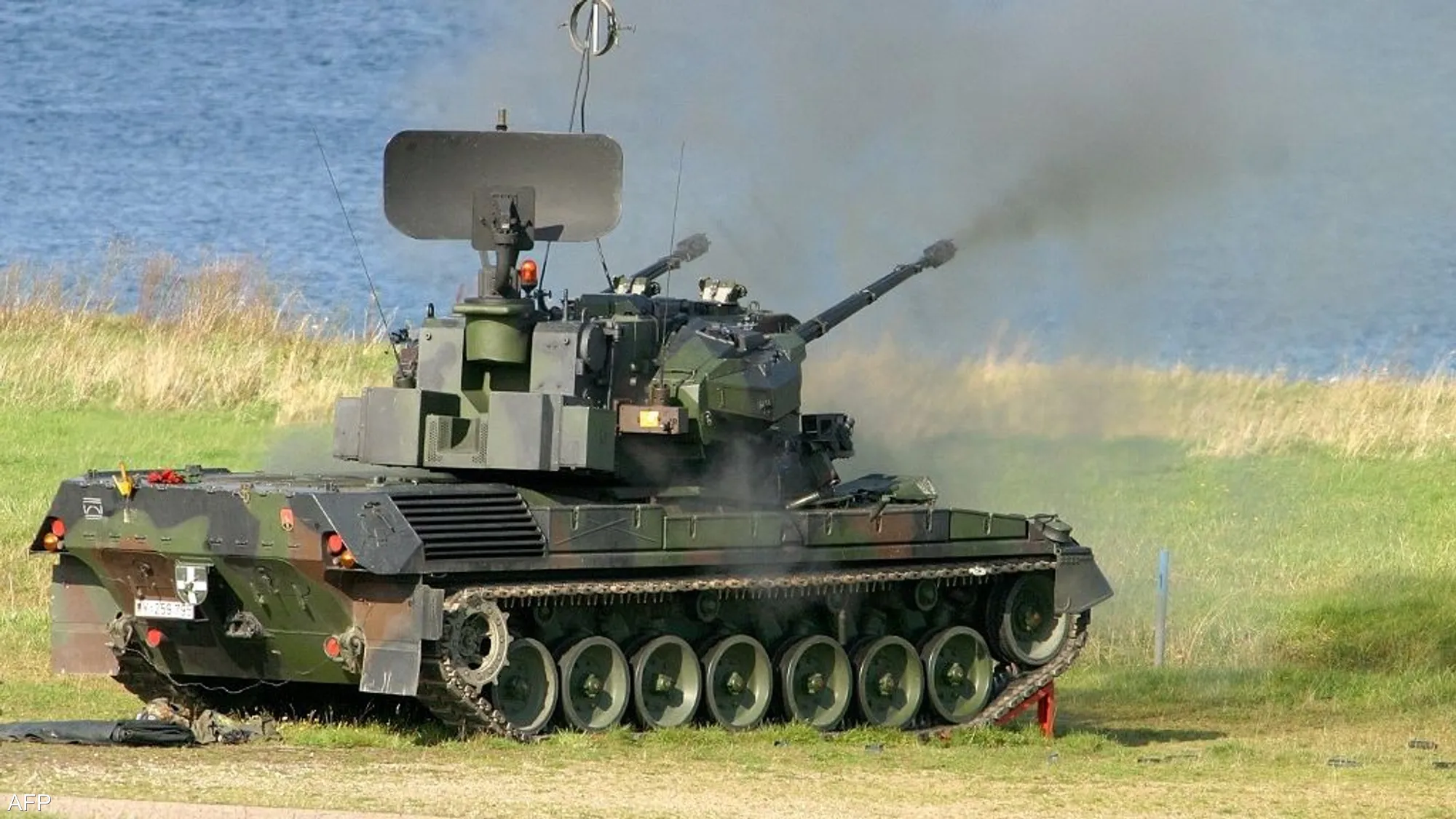
A spokesperson for the Ministry of Economic Affairs and Climate Action stated in a written briefing that export decisions are assessed case by case under existing legal frameworks governing foreign military sales, emphasizing that no heavy weapon systems such as tanks or artillery were included in the approved transfers during the reported period. The spokesperson further noted that the classified licensing process is subject to interagency review involving security and foreign policy considerations.
A member of the Bundestag from the Left Party told Diplomat News Network that the approvals raised concerns over consistency in Germany’s export restrictions, arguing that even limited military equipment contributes to operational capabilities in active conflict zones. The lawmaker called for tighter parliamentary oversight and clearer public reporting on defense-related exports.
On the ground in Berlin, policy analysts observing parliamentary debates described a polarized atmosphere, with governing coalition representatives defending the legality of the approvals while opposition lawmakers pressed for clarification on how humanitarian considerations are weighed against strategic alliances.
Contextually, Germany has maintained a sensitive balance in its arms export policy toward Israel, particularly since the escalation of the Gaza conflict in October 2023. Initial increases in defense cooperation were followed by partial restrictions announced in August 2025 under Chancellor Friedrich Merz, who cited concerns over the use of exported equipment in active combat operations. Those restrictions were later eased following a ceasefire agreement between Israel and Hamas.
According to the same government data, total export authorizations during a broader four-month period following the lifting of earlier restrictions reached approximately €166.95 million, though officials emphasized that these did not include heavy weapons systems. Even during periods of partial suspension, licenses worth €10.44 million were still approved under exemptions for designated categories.
The latest disclosures highlight ongoing tensions within Germany’s foreign policy framework as it navigates legal obligations, strategic partnerships, and domestic political scrutiny. Analysts note that continued transparency challenges could intensify parliamentary pressure, particularly as regional instability expands and European Union partners reassess their own export control standards.