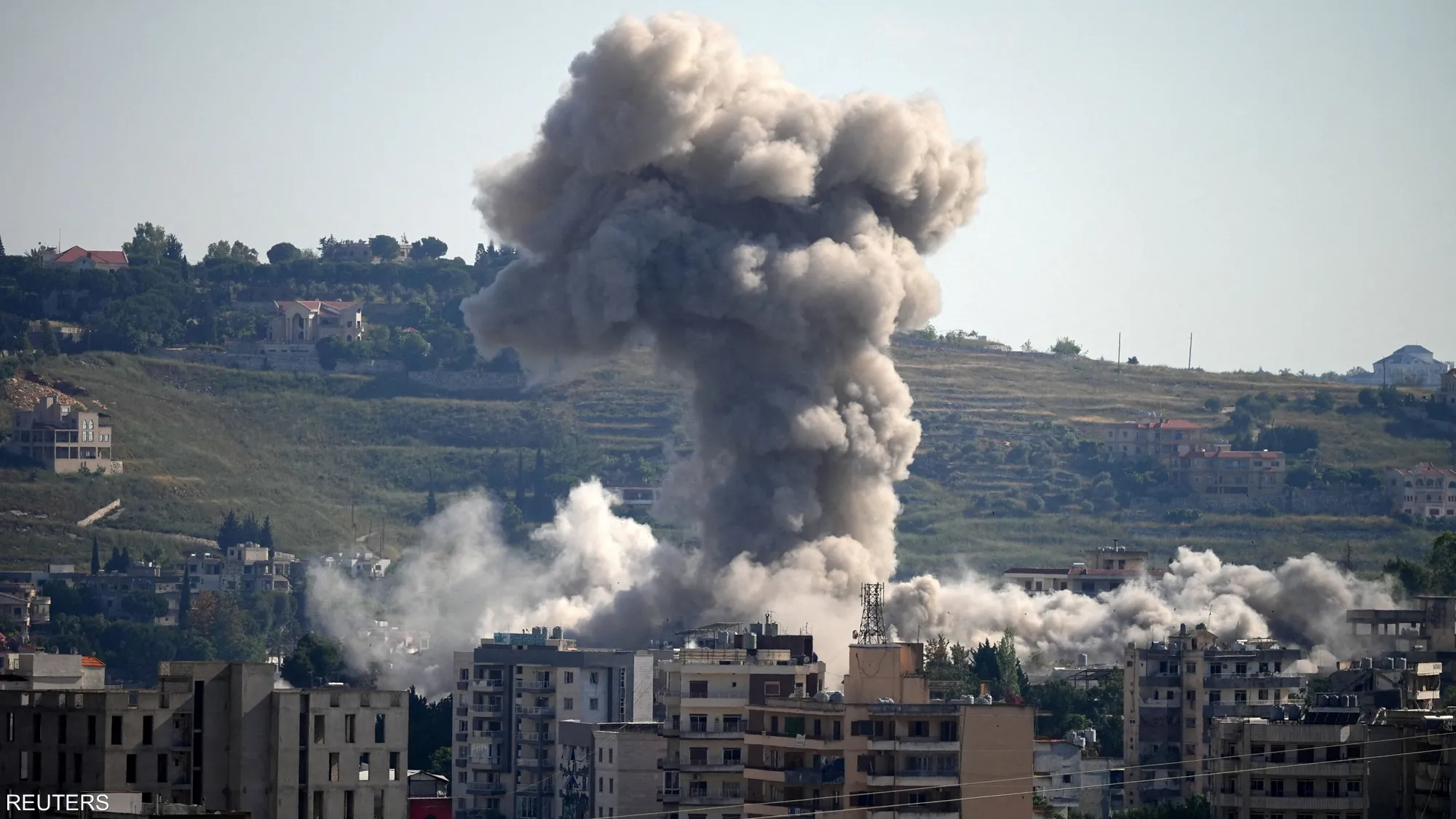
Beirut (Diplomat.so) – Israeli forces conducted airstrikes on Beit Yahun in southern Lebanon and artillery fire between Beit Yahun and Braachit on Thursday, 26 June, amid escalating cross-border tensions involving Hezbollah and Israeli military units.
Israeli media outlets reported that military evacuation helicopters were deployed to Rambam Hospital in Haifa following operations linked to activity in southern Lebanon. Israeli authorities have not released confirmed casualty figures, and access restrictions in border areas have limited independent verification of battlefield developments.
Hezbollah issued a statement alleging that Israeli forces targeted civilians traveling to inspect damaged homes along the Zawtar al-Sharqiya–Mifadoun road.
The group said the strike occurred at approximately 14:40 local time, resulting in two civilian deaths and one injury. It stated: "The Islamic Resistance confirms for the third time that what the enemy has done constitutes a flagrant violation of the ceasefire it has committed to so far, and it is monitoring these violations.”
The statement further added: "The enemy army deliberately targeted Lebanese citizens who were on their way to inspect their homes, claiming they posed a threat to its occupying forces.”
Residents in southern Lebanon described sustained aerial activity, intermittent explosions, and temporary disruption of movement on rural roads near agricultural zones surrounding Beit Yahun. One resident said: "We heard repeated blasts throughout the afternoon, and people avoided the main roads because the situation was unclear and unstable.” Local movement in several villages was reported to have slowed as precautionary measures increased following the strikes.
Israeli Prime Minister Benjamin Netanyahu previously stated that Israeli forces operating in southern Lebanon retain "complete freedom” to act against threats.
He said: "I stand behind our fighters, and the entire nation stands behind them,” adding that military operations are aimed at preventing risks to communities in northern Israel. His remarks came amid ongoing disputes over the scope and interpretation of ceasefire arrangements in the border region.
US President Donald Trump earlier this week urged Israel to respect a US–Iran understanding in which Lebanon and Hezbollah are included, calling for a more positive approach.
The developments come against a backdrop of repeated accusations between Israel and Hezbollah regarding ceasefire violations and operational conduct along the southern Lebanon frontier. Military directives reported in Israeli channels emphasize defensive engagement thresholds, while Lebanon-based actors continue to accuse Israeli forces of expanding strike activity beyond defensive parameters.
Analysts note that the continued exchange of strikes, statements, and counterclaims underscores the fragility of the current security environment along the border. Civilian exposure to intermittent bombardment and movement restrictions remains a central concern, particularly in rural communities located near contested zones.
Diplomatic observers warn that sustained escalation could further complicate efforts to stabilize the border region, as both sides maintain restrictive operational postures and competing interpretations of ceasefire commitments continue to drive tensions.