Beirut (Diplomat.so) - Lebanese Ministry of Health confirmed on Saturday, June 20, that Israeli airstrikes killed seven people across eastern and southern Lebanon, including a child and woman, according to officials said.
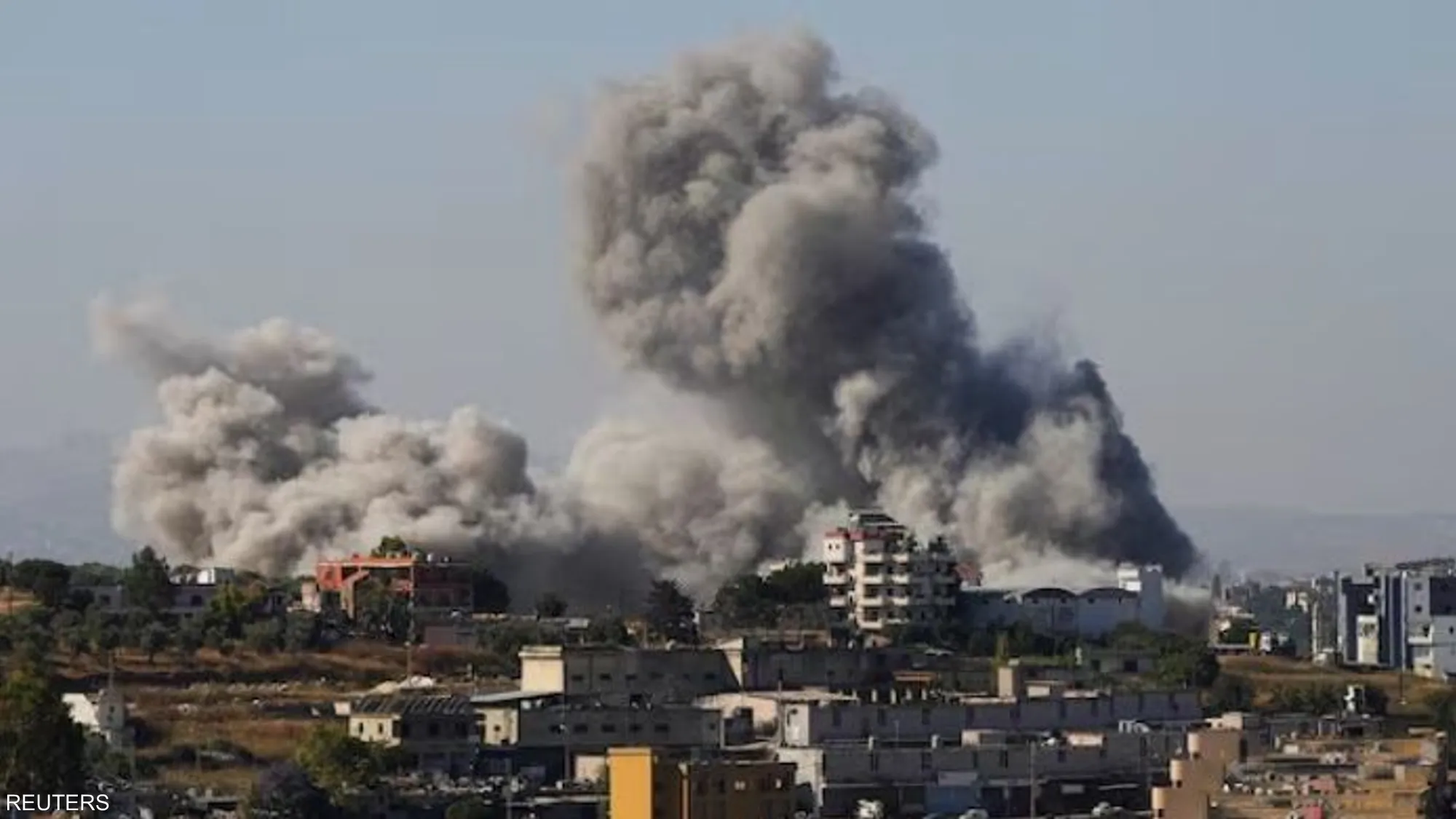
Health authorities said five people were killed in Sahmar in western Bekaa after strikes hit residential neighborhoods and surrounding farmland, with civil defense teams reporting damaged access roads, disrupted power lines, and delayed ambulance entry as residents gathered near impact sites amid heavy smoke, as residents reported ongoing anxiety after repeated strikes in recent days.
In Tyre officials said two Palestinians were killed in a separate strike while residents described a loud explosion followed by emergency sirens and rapid deployment of rescue teams securing the area near the coastal district as traffic was halted.
Israeli military officials said they had received instructions from political leadership to halt offensive operations in Lebanon while maintaining defensive posture and responding to immediate threats along the border. Israeli media reports indicated coordination with the United States and continued deployment in parts of southern Lebanon, with forces remaining in forward positions in several contested areas as ceasefire signals remain unconfirmed on the ground.
The Lebanese Ministry of Health reported that Friday strikes killed 83 people and injured 141, describing it as one of the deadliest days since fighting escalated on March 2. Total casualties have reached 4,057 dead and more than 12,000 injured since the conflict began, according to ministry figures released in Beirut on Saturday. Medical sources in southern Lebanon described emergency rooms operating beyond capacity as additional casualties arrived throughout the day.
Diplomat News Network understands hospitals in southern and eastern Lebanon are operating under significant strain, with emergency wards reporting increased admissions and shortages in supplies as the conflict intensifies. Analysts note that shifting signals between military action and ceasefire messaging reflect ongoing uncertainty, with civilian populations bearing the primary impact across border regions. Humanitarian responders said logistics routes between coastal and inland areas remain constrained due to damaged infrastructure, particularly in conflict-adjacent districts.
The escalation underscores widening geographic reach and persistent volatility along the Lebanon–Israel frontier where communities face repeated displacement risks and infrastructure damage The combination of diplomatic messaging and continued strikes highlights fragile de-escalation prospects amid unresolved security and political disputes and complicating humanitarian response coordination across affected governorates, with regional observers warning that continued uncertainty may affect civilian mobility and cross-border trade flows.