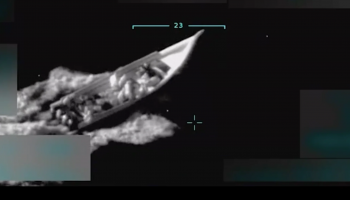
London (Diplomat.so) – UK Maritime Trade Operations (UKMTO) confirmed on Thursday, June 25, that a commercial cargo vessel operating 7.5 nautical miles southeast of Dhahit, Oman, was struck by an unidentified projectile, damaging its starboard side and bridge structure during transit through the Strait of Hormuz.
UKMTO said the vessel’s captain reported that the impact occurred suddenly while the ship was navigating a heavily monitored maritime corridor near the entrance to the Gulf. The ship sustained localized structural damage but remained seaworthy, continuing operations after initial onboard assessments confirmed no casualties or environmental contamination.
In its advisory, UKMTO stated: "The vessel sustained a strike on its starboard section resulting in damage to the bridge area,” adding that maritime operators in the region had been instructed to proceed with heightened caution while investigations continue into the origin of the projectile.
A regional maritime security officer told Diplomat News Network that the incident is being treated as part of an evolving risk pattern in Gulf waters. "We are coordinating with allied naval forces to determine whether this was a targeted strike, accidental impact, or another form of maritime disruption,” the official said.
The incident comes amid sustained geopolitical friction involving Iran, the United States, and Israel, which has increasingly shaped security assessments across key shipping corridors. Analysts note that the Strait of Hormuz—through which roughly one-fifth of global oil trade flows—has become a focal point for maritime surveillance and deterrence operations involving multiple international navies.
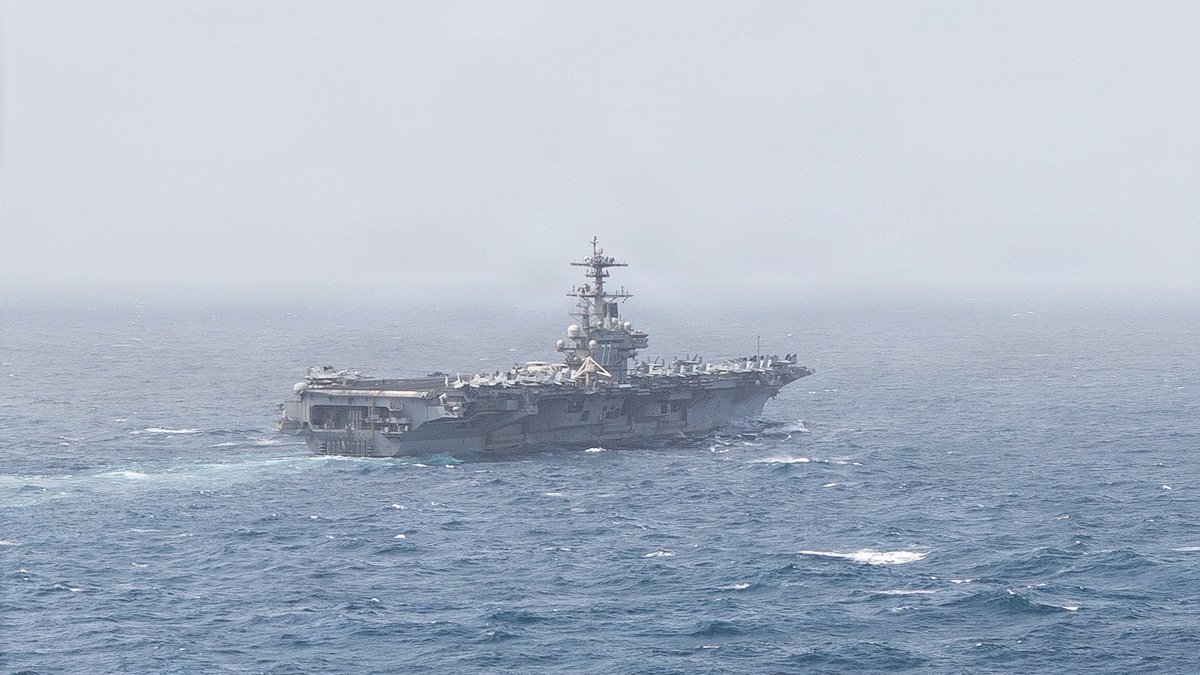
The United States Central Command (CENTCOM), responsible for directing U.S. military operations across the Middle East, maintains continuous surveillance of key maritime corridors, including the Strait of Hormuz. The command coordinates ongoing monitoring of commercial shipping traffic through established security and communications systems to maintain situational awareness in the region.
Israeli security officials have also warned in past assessments that maritime disruptions could be linked to broader shadow conflicts across the Middle East.
The International Maritime Organization (IMO) has recently supported enhanced coordination frameworks allowing vessels to transit the Strait under structured reporting systems designed to reduce exposure during periods of instability. Shipping companies have increasingly adjusted routes and insurance coverage in response to rising perceived risk levels.
A seafarer aboard a nearby vessel described the atmosphere as tense following the incident. "Communication channels lit up with warnings almost immediately. Everyone slowed down and kept wider separation than usual,” the crew member said.
A Gulf-based maritime analyst told Diplomat News Network that even isolated strikes can have immediate commercial consequences. "One incident is enough to shift insurance premiums, disrupt tanker scheduling, and trigger precautionary rerouting across the entire corridor,” the analyst said.
Authorities have not identified the origin of the projectile, and no group has claimed responsibility. Naval monitoring and commercial advisories remain in place as investigations continue into the circumstances surrounding the strike.