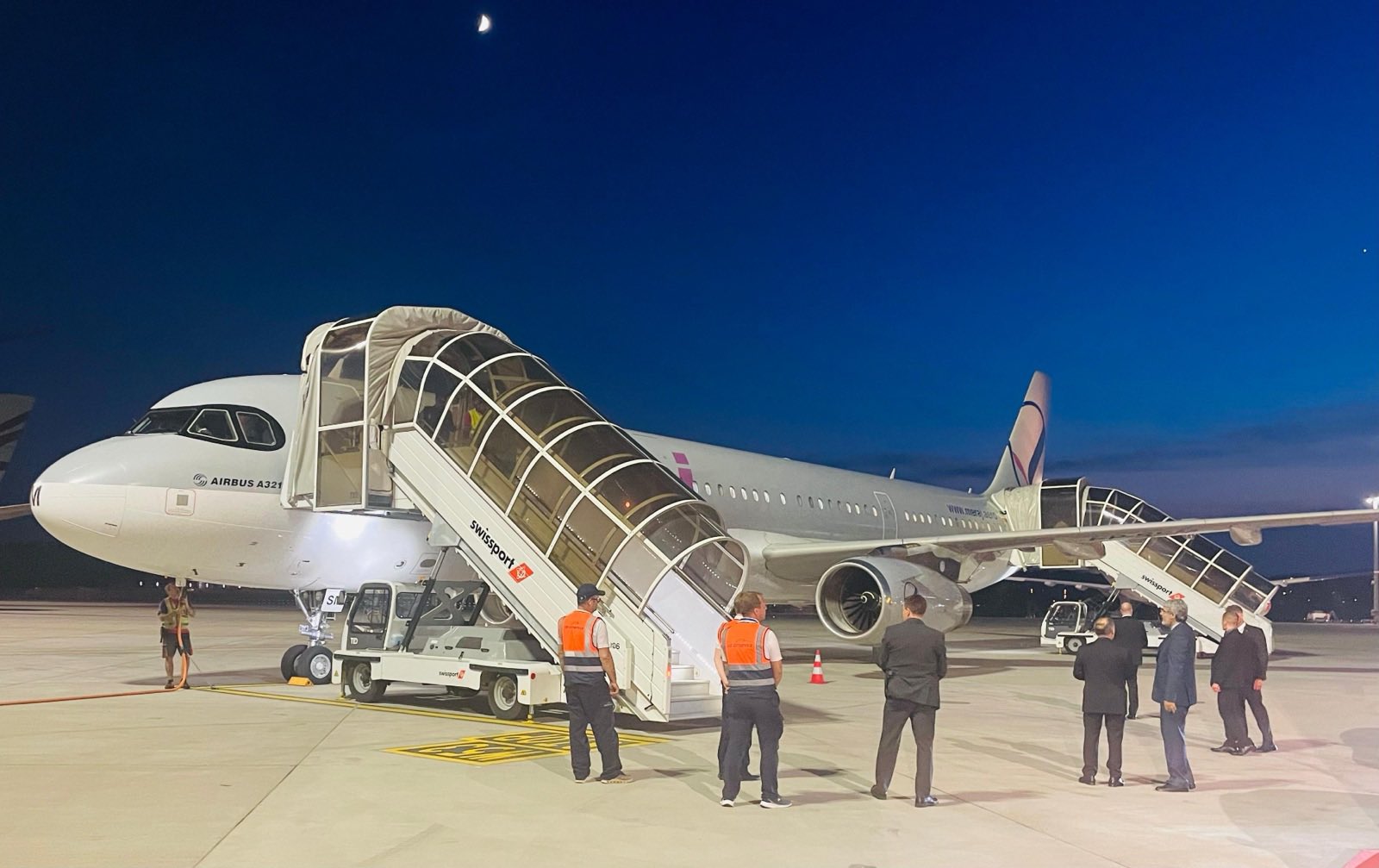
Bürgenstock, Switzerland (Diplomat.so) – United States and Iranian delegations are set to begin first round of negotiations at Bürgenstock Resort on Sunday, June 21, under a 60-day framework addressing nuclear programme issues, sanctions relief, and regional security arrangements.
The talks, hosted at the Swiss resort with mediation support from Pakistan and Qatar, form part of an implementation process tied to a memorandum of understanding, which established a structured negotiation track that can be extended if both sides agree, according to diplomatic officials familiar with the arrangement.
Pakistan’s foreign ministry confirmed that technical-level discussions will involve representatives from the United States and Iran alongside mediators from Pakistan and Qatar, emphasizing coordination to operationalize agreed confidence-building measures and maintain continuity in the diplomatic process.
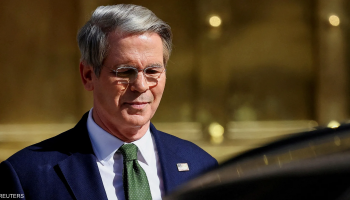
The US delegation has arrived in Switzerland led by envoy Steve Witkoff and senior adviser Jared Kushner, while Vice President JD Vance is also traveling to participate in high-level consultations connected to the talks, according to officials briefed on the schedule.
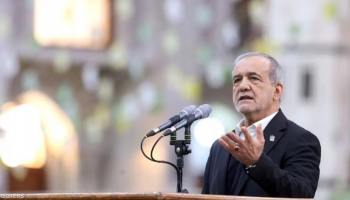
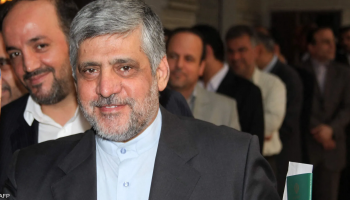
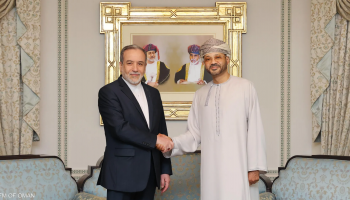
Iran’s delegation is led by parliamentary speaker Mohammad Bagher Ghalibaf and includes Foreign Minister Abbas Araghchi, Central Bank Governor Abdolnaser Hemmati, and senior security official Ali Bagheri, alongside energy and oil sector representatives, reflecting Tehran’s emphasis on economic and financial issues alongside nuclear discussions.
A regional source cited by Axios reported that Washington is seeking Iranian agreement to allow International Atomic Energy Agency inspectors access to nuclear sites as an early confidence-building step, alongside consideration of limited access to frozen Iranian funds for humanitarian imports.
"We will insist on full implementation of commitments under the memorandum,” Iranian Foreign Ministry spokesman Esmail Baghaei said, warning that "the agreement will be at risk if the other side fails to meet its obligations,” in comments reported by state-linked media and relayed to Diplomat News Network.
US officials, according to Axios citing regional sources, have also expressed openness to allowing restricted use of Iranian frozen assets strictly for humanitarian purposes, including essential goods and basic imports, as part of early-stage trust-building measures.
Regional dynamics continue to influence the diplomatic environment, with tensions persisting in the Strait of Hormuz following Iran’s announcement of temporary restrictions on maritime movement, while US Central Command stated that commercial shipping continues under protection and escort measures.
The diplomatic track comes amid broader regional developments, including a recently announced ceasefire in Lebanon, which has shaped Tehran’s conditions for participation and added urgency to stabilizing parallel conflict zones affecting negotiation calculations.
The Bürgenstock process represents an initial test of whether structured mediation can translate political commitments into verifiable steps on nuclear transparency, sanctions easing, and maritime security. Early discussions are expected to focus on sequencing compliance measures, inspection access, and financial mechanisms that could define the trajectory of the 60-day framework and determine whether talks expand into sustained negotiations.