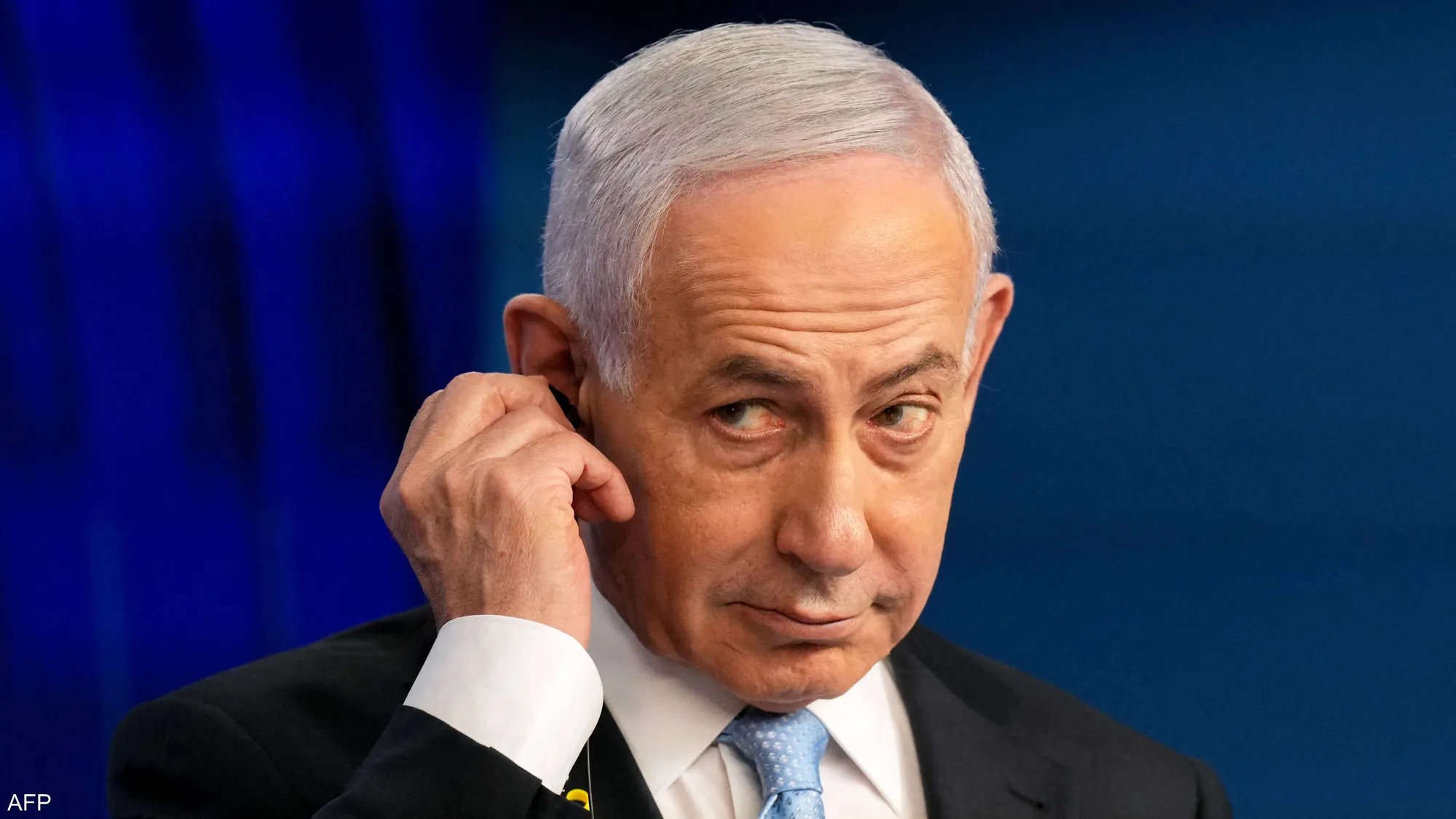
Tel Aviv (Diplomat.so) - Israeli Prime Minister Benjamin Netanyahu remained silent on Thursday, 18 June, as US President Donald Trump signed a US–Iran memorandum of understanding widely viewed in Israel as a strategic and political setback.
The development comes as Netanyahu continues to face domestic pressure and regional security challenges, with Israeli officials closely monitoring the implications of the agreement on Iran-related security arrangements and northern border dynamics.
According to reporting by Axios, Netanyahu had publicly pledged to achieve a "total victory” over Iran but was ultimately compelled to accept the framework of the US-brokered understanding. The report stated that the Israeli leader now finds himself increasingly isolated in his assessment that military operations should have continued, particularly as he prepares for elections within four months.
Israeli political officials expressed unease during closed-door briefings in Tel Aviv, describing the agreement as potentially constraining Israel’s operational flexibility. One official, speaking on condition of attribution, said: "The concern is not only the text of the agreement, but the signal it sends about future enforcement and regional deterrence.”
Media aligned with Netanyahu also escalated criticism of Washington. A prominent Channel 14 broadcaster referred to US Vice President JD Vance as "vile” during a prime-time segment and made accusations against Trump envoys Steve Witkoff and Jared Kushner, remarks that drew widespread attention in Israeli media circles.
At the Group of Seven summit, Trump publicly addressed Netanyahu directly, saying: "Bibi is a nice man. He can get a little excited at times, but our partnership is strong. We are the bigger partner and he is the smaller partner.” The remarks underscored both continued cooperation and underlying tensions between the two leaders.
A senior US administration official said in a briefing that Netanyahu may not have reviewed the final version of the agreement, while maintaining that Israeli officials were continuously updated during negotiations. "There was no point at which Israel was excluded from the process,” the official said, speaking on condition of attribution.
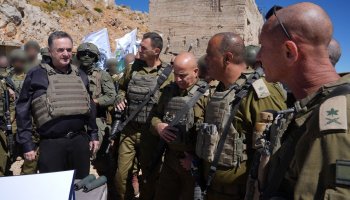
In parallel developments, the Israeli military said its forces are operating within a security zone extending up to 10 kilometres inside southern Lebanon. A military spokesperson said operations continue "according to operational necessity,” despite provisions in the US–Iran understanding calling for a halt in military activity in Lebanon-related theatres.
An adviser to Netanyahu told Axios that Israel does not consider itself bound by the Lebanon clause and will not withdraw until Hezbollah is fully disarmed. The statement highlights ongoing disagreements over the implementation of UN Security Council Resolution 1701, which governs security arrangements along the Israel–Lebanon border.
Analysts say the divergence between Washington’s diplomatic framework and Israel’s security posture could complicate future coordination, particularly as regional actors reassess deterrence strategies and border enforcement mechanisms. The evolving situation signals potential friction in US–Israel alignment at a time of heightened regional instability.