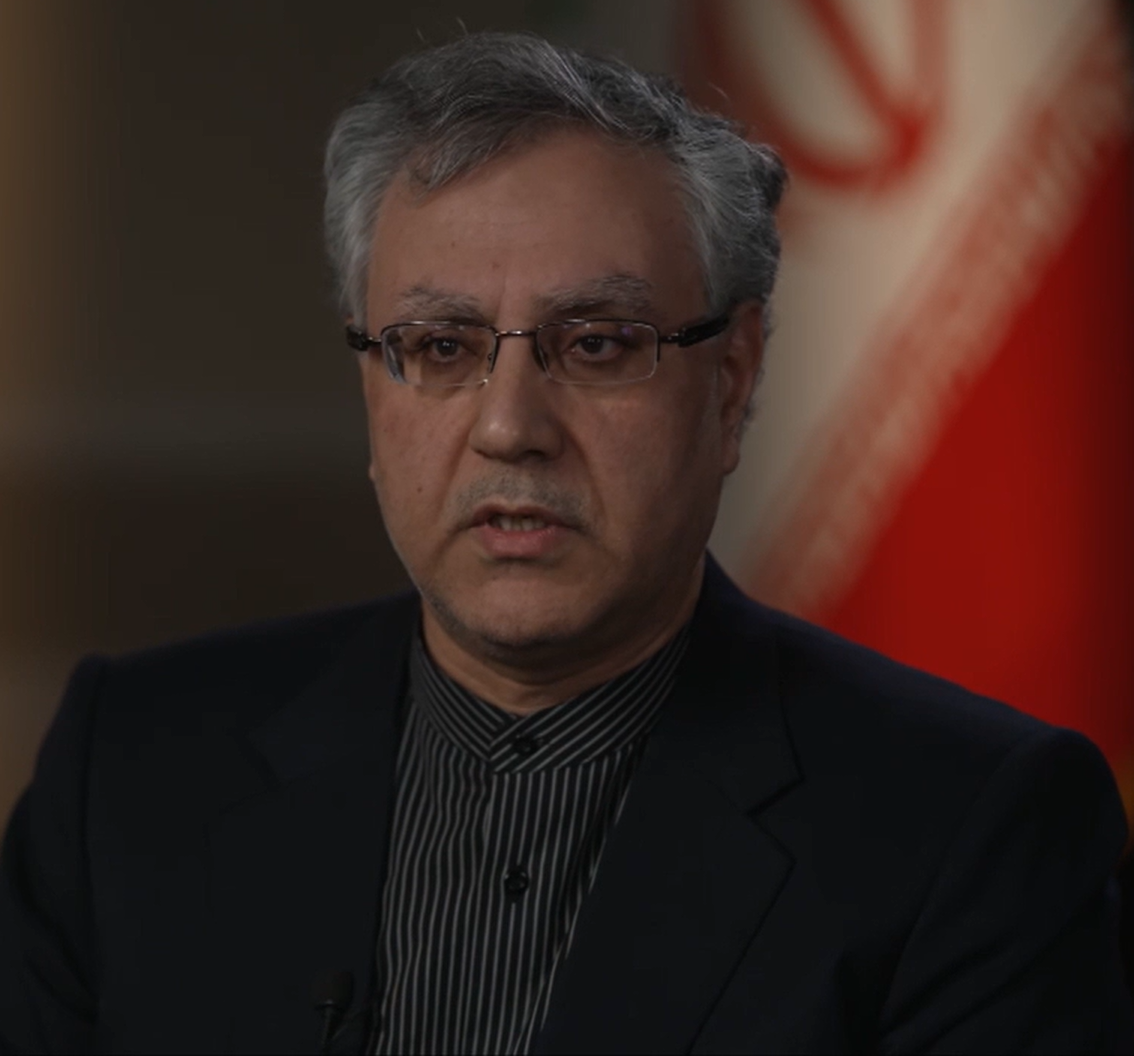
London (Diplomat.so) - Labour Friends of Israel urged UK Prime Minister Sir Keir Starmer on Wednesday, June 17, to expel Iranian Ambassador Seyed Ali Mousavi and adopt a tougher stance on Tehran over alleged influence operations and security concerns in Britain.
Labour Friends of Israel (LFI) called for a major shift in UK policy toward Iran, arguing in a report released in Westminster this week that Tehran should be treated with the same severity as Russia and that its influence networks in Britain should be "dismantled.” The group said the current approach risks underestimating what it described as coordinated activity linked to Iran’s regional and international posture.
In a foreword to the report, Labour MP David Taylor said the UK government should move beyond what he called routine diplomatic engagement. "There can be no return to business as usual with such a regime,” Taylor said. "We must fundamentally reassess how we deal with Tehran and begin by expelling both Iran’s ambassador to the UK and the supreme leader’s representative in this country.”
The Foreign Office has so far resisted calls for expulsion of Seyed Ali Mousavi, maintaining that diplomatic channels with Tehran should remain open despite rising tensions. Officials have not publicly confirmed any policy shift, though internal discussions are understood to be ongoing amid pressure from parliamentarians and advocacy groups.
Tensions between London and Tehran have intensified since February 2026 following broader regional escalations involving Iran and Western-aligned states in the Gulf. Iran has been accused by UK allies of missile activity in the region and of supporting proxy groups engaged in cross-border attacks, including Hezbollah’s continued operations against Israel, which have further destabilized regional security.
The LFI report also warned of what it described as an emerging "anti-West axis” involving Iran and Russia, urging sanctions alignment with measures already imposed on Moscow. It recommended tighter restrictions on Iranian-linked media outlets operating in the UK. Diplomat News Network understands that policymakers are increasingly divided over balancing diplomatic engagement with security-driven containment strategies.
Eyewitnesses in Westminster described a subdued but closely watched political atmosphere around the report’s release, with parliamentary staff and policy aides reviewing its recommendations during ongoing committee work. One policy analyst, speaking on condition of attribution, said the proposals reflected "growing impatience in parts of Parliament over Iran policy direction.”
A second regional security researcher said the debate could influence future leadership positions within the Labour Party and broader government strategy. "The question is whether deterrence or diplomacy defines the next phase of UK-Iran relations,” the researcher said.
The report’s recommendations are expected to add pressure on Downing Street as ministers weigh whether maintaining diplomatic representation in London remains compatible with wider national security concerns and alliance commitments.