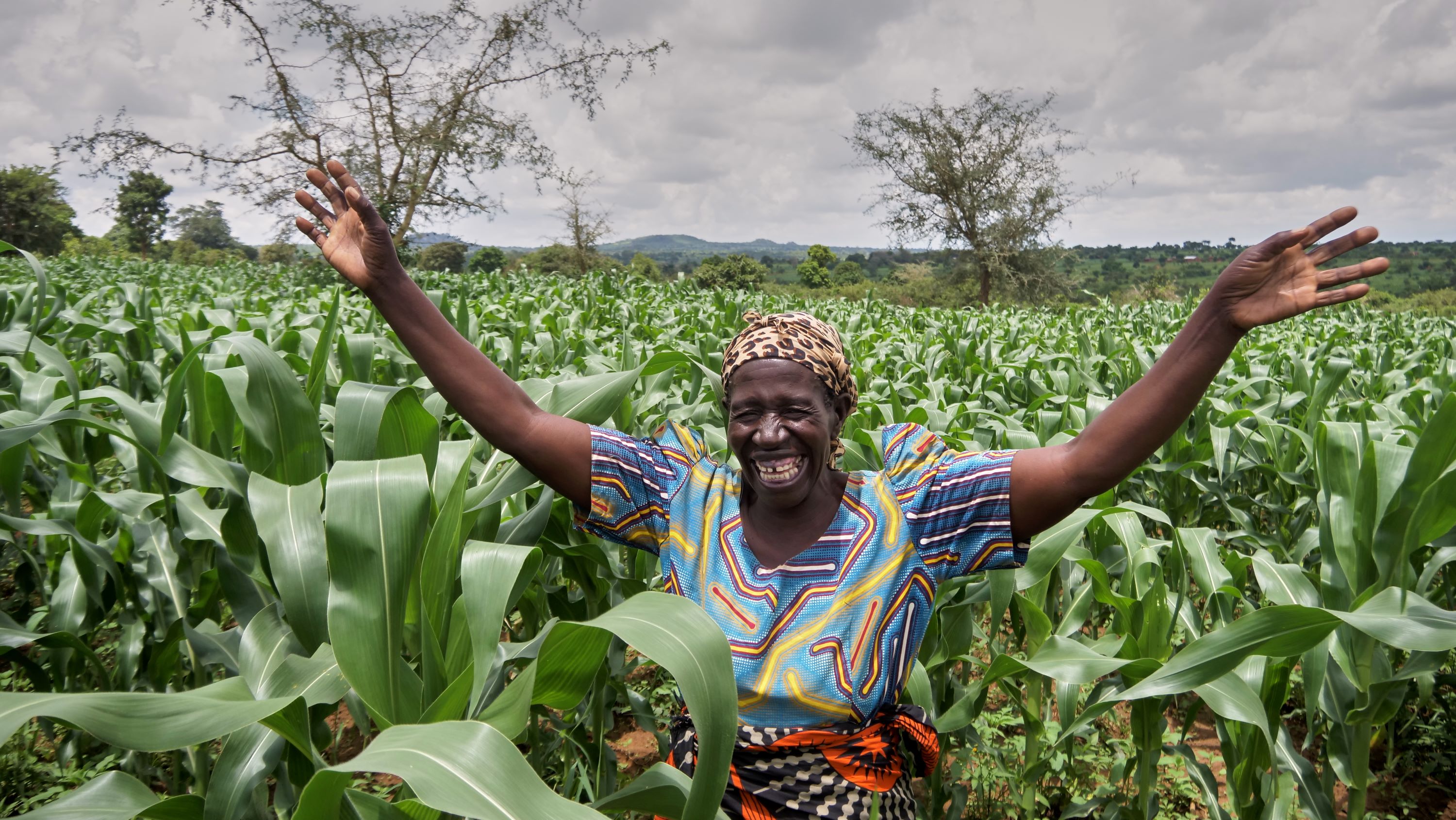
Lilongwe (Diplomat.so) - Famine Early Warning Systems Network (FEWS NET) said in its May–September 2026 Key Message Update released on June 9, that Malawi's 2025/26 maize season shows average national production driven by favourable rainfall conditions across key farming districts.
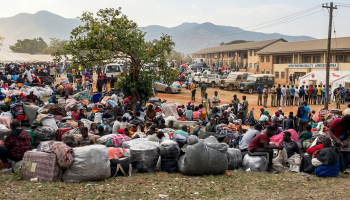
The report indicates that harvesting began in April in southern Malawi and has since expanded into central and northern regions, with field-level observations showing increased household stock availability and early market supplies in several trading centres. Farmers in Dedza, Zomba and Mzimba districts were seen transporting maize in small consignments to local depots as post-harvest activity gained pace under generally dry weather conditions.
According to FEWS NET, Malawi is expected to harvest about 3.3 million metric tonnes of maize in 2025/26, up from 2.9 million metric tonnes in the previous season, but still below the national requirement of 3.5 million metric tonnes. The analysis highlights a projected shortfall of roughly 200,000 metric tonnes, keeping structural pressure on national food security systems.
"The current production outlook reflects recovery from last season’s drought impacts, but national availability remains below full demand,” FEWS NET analysts said in their report.
The Reserve Bank of Malawi earlier projected similar output estimates in March, attributing gains to improved rainfall distribution across most agricultural zones. Agricultural officials note that rain-fed production contributes about 80 percent of total output, with irrigation and residual moisture farming accounting for the remainder.
Food price trends have begun responding to the seasonal supply increase. FEWS NET data shows maize prices declined by about 15 percent between March and April, falling from K1,025 per kilogramme to K892 per kilogramme. The Southern Region recorded a sharper 25 percent drop as fresh harvests entered local markets.
Despite the decline, prices remain elevated, standing roughly 85 percent above the 2022–2024 average, continuing to strain households that depend on market purchases after exhausting stocks earlier in the lean season. Market traders in Balaka and Lilongwe reported moderate crowding at maize stalls, though purchasing volumes remain constrained by limited incomes.
Agriculture policy expert Leonard Chimwaza urged faster release of updated production figures to improve planning coordination. "If they released the figures, we would have a practical outlook of what Malawi will harvest for planning purposes,” he said.
The Ministry of Agriculture, through spokesperson Salome Gangire, said final verification of harvest assessments is still ongoing. "We are still reviewing final figures before official release,” she said, without providing a timeline.
Diplomat News Network reporting indicates that humanitarian partners are already reviewing contingency supply frameworks as localized deficits persist in flood-affected and drought-prone livelihood zones, particularly in the Southern Lakeshore and Lower Shire areas where erratic rainfall reduced yields.
While national output shows measurable recovery, uneven production patterns, climate variability and persistent price inflation continue to shape Malawi’s food security outlook, leaving policymakers reliant on a mix of reserves, imports and irrigation output to stabilize supply through the next consumption cycle.