Washington, D.C. (Diplomat.so) - US Central Command (CENTCOM) announced Friday, May 8, that US forces fired precision munitions disabling two Iranian-flagged oil tankers in international waters near strategic shipping lanes off Iranian coast.
CENTCOM Details Maritime Strikes
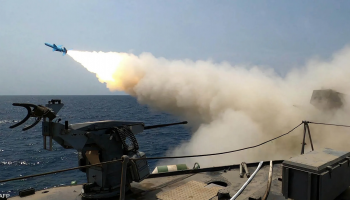
CENTCOM stated in a release on the social media platform X that US forces neutralized the two oil tankers by launching precision munitions at their exhaust stacks, rendering them unable to continue navigation toward Iran. The command also confirmed that a third Iranian-flagged tanker had been disabled on Wednesday, adding that none of the three vessels are currently en route to Iranian ports. Maritime tracking observers reported increased naval patrol activity in adjacent shipping corridors, with commercial vessels issuing precautionary position updates amid heightened security alerts.
Rubio Condemns Iran’s Hormuz Claims
Speaking in Rome, US Secretary of State Marco Rubio said Iran’s claims over the Strait of Hormuz were unacceptable, warning that such assertions threaten international navigation. "Iran is currently claiming it has the right to control an international waterway. This is unacceptable and an attempt to normalize it,” Rubio said during remarks to reporters. Diplomats present noted a tightened security posture at the venue, with limited press access and visible coordination among US security personnel.
Trump Administration Signals Ongoing Review
US President Donald Trump told ABC News that the ceasefire arrangement with Tehran remains in place despite recent US strikes, while acknowledging that operational decisions regarding military posture and allied base access remain under review.
"The ceasefire with Iran is still holding,” Trump said, emphasizing ongoing diplomatic channels. US officials indicated internal discussions are continuing over whether certain allied restrictions could affect rapid deployment capabilities in Europe under NATO frameworks.
Diplomatic observers in Washington noted subdued briefing-room activity as officials declined to elaborate on contingency planning.
Strategic Context in Strait of Hormuz
Analysts describe the Strait of Hormuz as one of the world’s most critical energy corridors, with roughly one-fifth of global seaborne oil transiting through the narrow passage linking the Gulf to open seas. Any disruption in the area typically triggers immediate market and security concerns across Asia, Europe, and North America.
The current escalation follows months of heightened maritime friction, including reported Iranian attempts to assert control over shipping movement and US-led enforcement actions targeting sanctioned maritime activity. Since late February, regional tensions have intensified, with multiple naval advisories issued to commercial operators.
Additional US sanctions introduced in April have further restricted Iranian access to international ports, contributing to what shipping analysts describe as a progressively constrained maritime environment marked by rerouted cargo and increased insurance premiums.
Regional and Economic Implications
Maritime insurance providers and shipping operators are expected to reassess risk premiums following the reported disablement of vessels, with industry monitoring groups noting increased caution among commercial fleets operating near the Gulf. Port authorities in the broader region have reportedly implemented additional inspection protocols, reflecting concerns over potential spillover effects on civilian trade routes.
The developments also highlight ongoing friction between Washington and Tehran over freedom of navigation and enforcement of sanctions regimes. Diplomatic channels remain active but strained, with regional governments monitoring the potential impact on energy supply chains and global price stability.
Diplomatic reporting from Diplomat News Network indicates that market observers are closely watching whether further maritime enforcement actions could trigger wider disruptions in insurance costs and shipping schedules.
Developments underscore heightened strategic competition in one of the world’s most sensitive maritime corridors, where military actions, diplomatic statements, and commercial shipping interests intersect.
The situation continues to evolve as US officials maintain pressure on Iranian maritime operations while emphasizing deterrence and navigation security.
Regional stakeholders are likely to remain cautious amid uncertainty over further enforcement measures and potential retaliatory responses. Monitoring of shipping lanes and energy flows is expected to intensify in the coming days as governments and industry actors assess risks linked to sustained tensions.