Washington, D.C. (Diplomat.so) – The U.S. Department of Justice expanded denaturalization proceedings against 12 naturalized citizens on Friday May 8 in Washington D.C. alleging concealed terrorism ties and violent criminal histories during immigration.
Federal Enforcement Action Targets 12 Naturalized Citizens
The Department of Justice announced civil complaints against 12 naturalized citizens from Iraq, Somalia, China, and India, marking an expanded enforcement push targeting alleged immigration fraud, undisclosed security affiliations, and falsified background information during naturalization review processes.
Pursuit of denaturalization cases follows a Department of Justice Civil Division directive issued last year prioritizing immigration fraud and national security risks, according to internal policy summaries referenced in reporting attributed to Diplomat News Network coverage of federal enforcement developments.
Officials said each case will proceed through civil court review, where prosecutors must establish material fraud under a clear and convincing evidence standard before citizenship can be revoked.
Federal officials reiterated that each case is evaluated individually to determine whether legal thresholds for citizenship revocation are met.
Allegations Involving Security and Criminal Disclosures
One case involves Ali Yousif Ahmed, accused of failing to disclose alleged militant ties in Iraq, while authorities claim he was subject to extradition requests linked to killings of Iraqi police officers during post-2009 conflict investigations.
Salah Osman Ahmed of Somalia is also named in the cases, with prosecutors alleging he provided material support to a designated terrorist organization and maintained undisclosed affiliation with al-Shabaab prior to naturalization approval.
Additional cases include allegations of fraudulent marriage arrangements, concealed convictions, and failure to disclose violent criminal conduct, including sexual abuse-related offenses, according to federal court filings.
Weathering judicial scrutiny, the cases are expected to rely heavily on immigration records, intelligence reports, and prior criminal proceedings to establish alleged misrepresentation patterns.
Legal Standard for Denaturalization
Former federal prosecutor Neama Rahmani said the government must meet a high evidentiary threshold, noting, "It has to be something material, and material means that the citizenship would not have been granted had DHS known,” describing the standard required in federal court proceedings.
Rahmani added that denaturalization cases do not apply to clerical errors or unintentional omissions, emphasizing that intent and material impact remain central to judicial determinations.
Courts have historically required proof that omissions directly affected approval decisions, making intent a central factor in adjudicating denaturalization petitions.
Policy Background and Enforcement Trends
Federal data shows denaturalization has historically been rare, with approximately 305 cases filed over three decades, though enforcement increased during prior administrations before declining in recent years.
Officials said the latest enforcement push reflects a renewed focus on screening integrity, background verification, and national security vetting across immigration systems.
Immigration law experts note that expanded enforcement could increase case backlogs in federal courts, particularly if multiple agencies submit referrals for historical application reviews.
Civil Liberties and Community Concerns
Policy expert Christian Penichet-Paul warned that expanded enforcement could affect naturalized citizens, stating, "There are concerns that the federal government’s denaturalization efforts could lead to the revocation of U.S. citizenship of many individuals who made minor or unintentional mistakes or omissions in their naturalization application,” highlighting uncertainty among immigrant communities.
In several immigrant communities, legal aid groups report increased inquiries regarding citizenship documentation accuracy, with residents expressing concern about the long-term review of older applications under intensified enforcement priorities.
Legal aid organizations have advised naturalized citizens to review application records carefully, though they emphasize that fear of enforcement should not discourage legitimate immigration participation.
Government Position
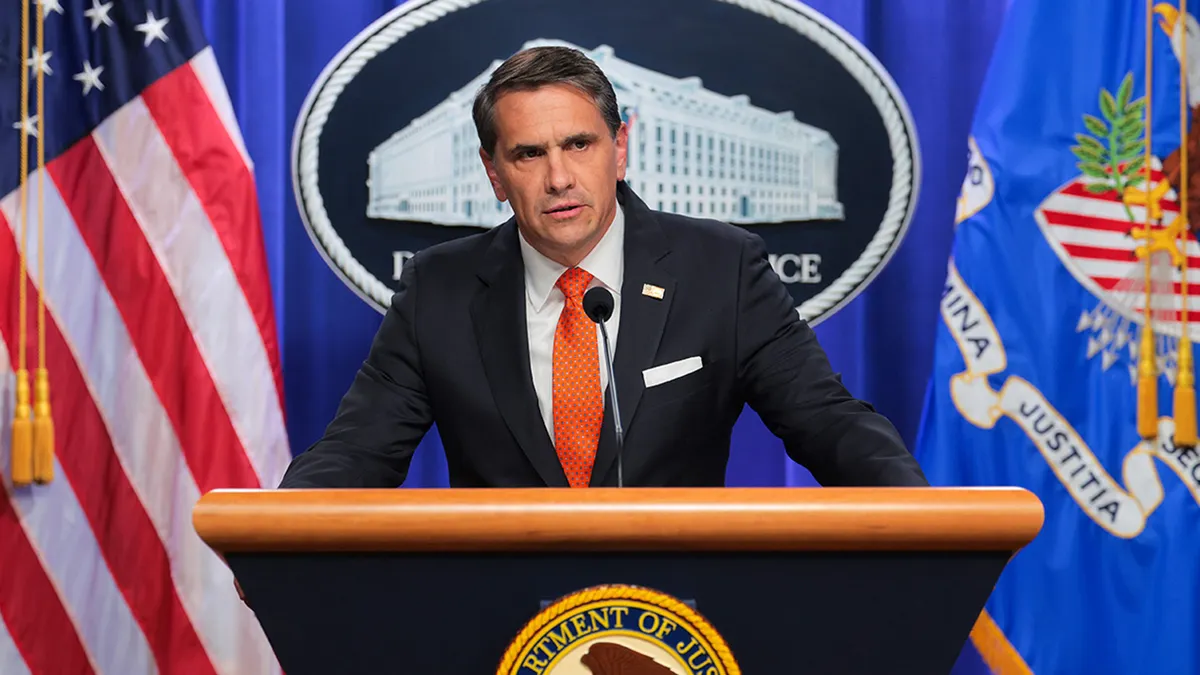
Acting Attorney General Todd Blanche said the government will continue pursuing individuals accused of misrepresentation, stating that those who obtained citizenship through fraud will face full legal consequences under federal law.
He added that individuals who obtained citizenship through deception should be concerned, warning that additional cases will be announced in coming weeks as federal reviews expand.
Blanche also argued that citizenship is a significant legal privilege, saying, "It’s a very drastic reward being naturalized, committing fraud,” underscoring the administration’s justification for strict enforcement.
Officials maintain that judicial oversight remains central to ensuring due process protections in all denaturalization proceedings.
Broader Implications
Analysts say the renewed use of denaturalization authority may influence future immigration enforcement priorities, particularly regarding fraud detection systems, judicial workload, and long-term citizenship review processes.
The policy shift places increased emphasis on immigration vetting integrity while raising ongoing legal and ethical debates over due process protections and the scope of citizenship revocation authority.
Observers say the policy will likely remain a subject of political debate as agencies balance enforcement priorities with constitutional protections and administrative feasibility.
This expansion reflects ongoing federal efforts to strengthen screening integrity across immigration systems.