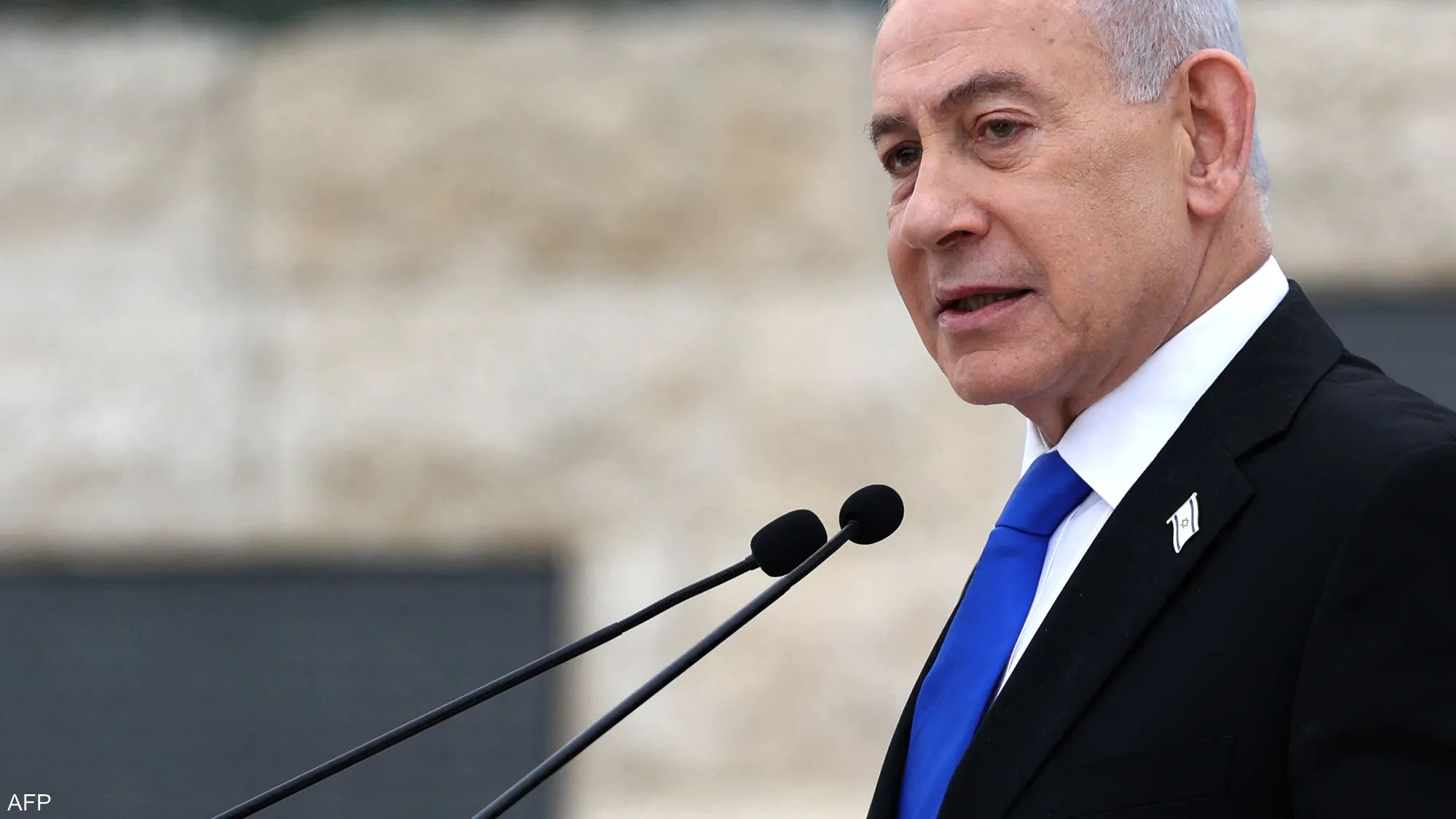
Tel Aviv (Diplomat.so) – Israeli Prime Minister Benjamin Netanyahu on Thursday, May 7, confirmed that Israel had killed a senior Hezbollah commander in Beirut, declaring that "no terrorist has immunity" following an airstrike that escalated tensions despite an ongoing ceasefire arrangement.
Netanyahu stated in a televised address: "Last night we eliminated the commander of Hezbollah’s Radwan Force in the heart of Beirut,” adding, "I say clearly to our enemies: no terrorist has immunity. Anyone who threatens the State of Israel will pay the price.” The remarks came one day after Israel carried out a strike in Beirut’s southern suburbs.
The Israeli military separately confirmed the operation, saying it had "eliminated Ahmed Blout, commander within Hezbollah’s Radwan Force,” describing the unit as an elite operational wing responsible for cross-border planning. A military spokesperson said the strike was "precise and based on intelligence indicating an imminent security threat.”
A source close to Hezbollah, speaking on condition of anonymity, said the strike killed "Malek Blout, a senior field commander in the Radwan Force,” during an attack on the Ghobeiry area. "The strike hit a residential building without warning,” the source said.
Residents described scenes of panic as the explosion struck densely populated streets in southern Beirut. "We heard a massive blast and saw smoke rising quickly,” said one shop owner. "People started running in all directions, and ambulances arrived within minutes.”
Lebanon’s Ministry of Health reported at least 11 additional deaths in separate Israeli airstrikes across southern and eastern regions, including Baalbek and Nabatieh, with several civilians among the casualties. Emergency teams continued recovery operations amid damaged infrastructure and blocked roads.
A Beirut resident told Diplomat News Network that fear has intensified in recent days. "There is no sense of safety anymore. Every few days we expect something to happen,” she said, describing shortages of electricity and disrupted movement in affected neighborhoods.
The latest escalation comes as Israel and Hezbollah continue to accuse each other of violating a ceasefire agreement that entered into effect on April 17. The agreement has remained fragile, with intermittent cross-border strikes and retaliatory operations reported along Lebanon’s southern frontier.
Israeli Chief of Staff Eyal Zamir, speaking during a visit to northern positions, said the military was "prepared to exploit every opportunity to weaken Hezbollah,” while also indicating readiness for broader regional contingencies.
Analysts cited by Diplomat News Network note that the Beirut strike marks a significant escalation, signaling Israel’s willingness to target senior Hezbollah figures inside urban centers despite international concern over civilian risk. The developments highlight the increasing instability along the Israel-Lebanon front and the potential for wider regional spillover as ceasefire enforcement weakens.