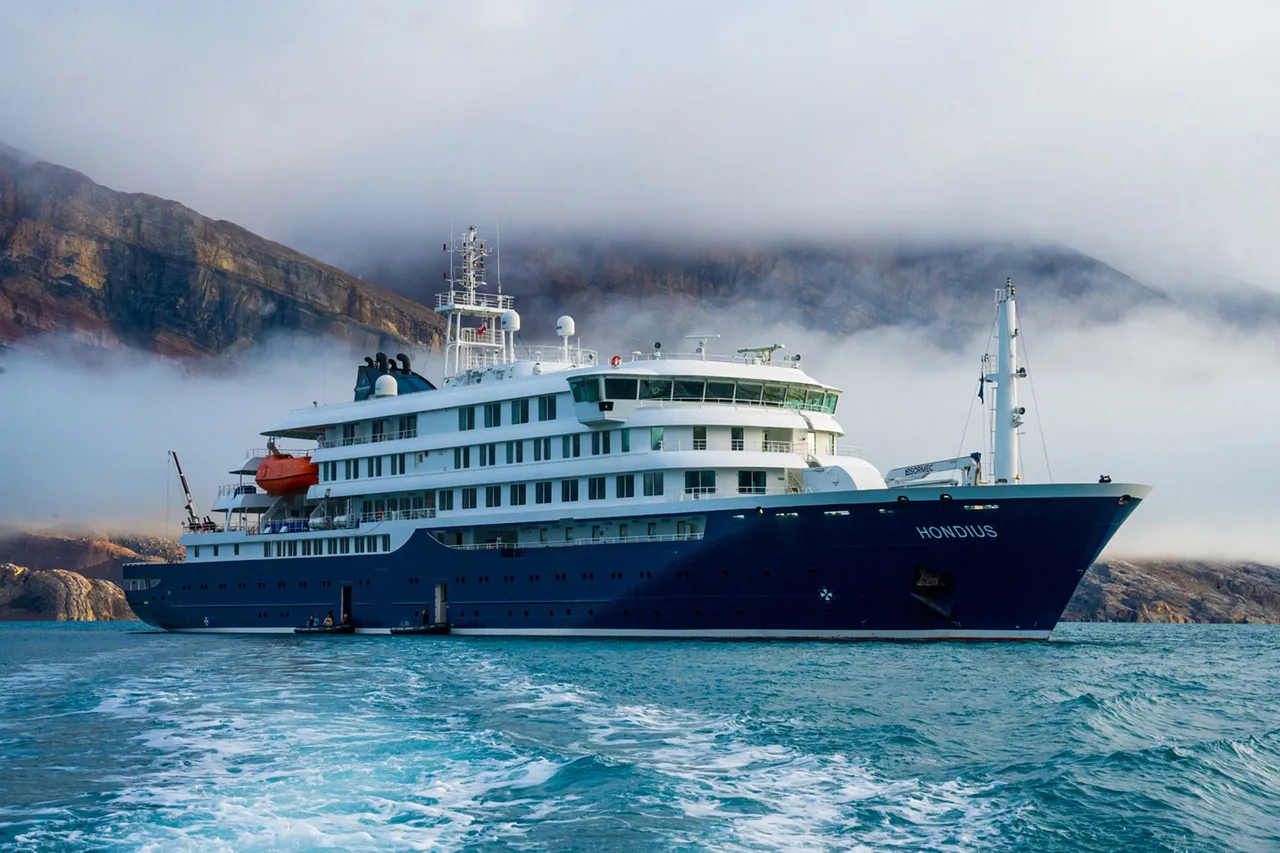
Praia (Diplomat.so) - World Health Organization officials, Cabo Verde authorities and cruise operator Oceanwide Expeditions confirmed on Monday, May 4, a hantavirus outbreak on MV Hondius off Cabo Verde leaving three dead.
Outbreak at sea
The Netherlands-based expedition operator Oceanwide Expeditions said it is managing a serious medical situation aboard MV Hondius, a polar cruise vessel currently anchored offshore after being denied permission to dock in Praia, Cabo Verde, following concerns over a suspected infectious disease outbreak.
The ship, which departed Argentina around three weeks ago carrying about 150 passengers, had travelled through Antarctic waters and remote southern ocean routes before heading toward West Africa.
Cabo Verde’s National Institute of Public Health confirmed that disembarkation was blocked in coordination with maritime and health authorities, citing precautionary containment measures.
Crew members have increased onboard health monitoring, while passenger movement remains restricted as coordination continues with international agencies.
On deck, passengers described reduced movement and visible medical activity, with crew conducting temperature checks and isolating individuals showing symptoms. Weather conditions around the anchored vessel have remained calm, though authorities continue to limit external access as precautionary measures remain in place.
Ship route and passengers
A Dutch Foreign Ministry spokesperson confirmed that two Dutch nationals died but did not provide further details on their identities or medical condition prior to death. A third deceased passenger was identified as a German national, according to officials involved in the coordination process.
The World Health Organization confirmed that one patient remains in intensive care in Johannesburg, while at least six suspected cases are under investigation. Laboratory testing has confirmed hantavirus infection in one of the cases, with further genetic sequencing underway to determine the strain. Passengers aboard the vessel remain under medical observation as evacuation planning continues across multiple jurisdictions.
Officials familiar with the situation said coordination efforts include South African health authorities due to the transfer of the critically ill patient. Medical teams are assessing whether additional evacuations can be safely conducted depending on clinical stability and transport availability.
International response and containment
The World Health Organization has coordinated with affected states to manage medical evacuation and risk assessment efforts. WHO regional director for Europe Hans Kluge said, "The risk to the wider public remains low. There is no need for panic or travel restrictions.” The agency added that it is facilitating coordination between governments and the cruise operator to ensure treatment for symptomatic passengers and support for those still on board.
Diplomat News Network reporting based on official briefings indicates that repatriation planning is underway for both deceased and affected passengers, involving multiple national health and diplomatic authorities.
A health coordination official speaking on condition of attribution described the situation as "contained but complex due to the multinational nature of passengers and medical transfers across several jurisdictions.”
Disease profile and transmission risk
Hantavirus is a rodent-borne disease transmitted primarily through airborne particles from infected urine or droppings. Health experts note that human-to-human transmission is rare but has been documented in limited circumstances. The illness typically begins with flu-like symptoms such as fever, muscle aches and fatigue, before progressing in severe cases to respiratory distress and organ failure. The United States Centers for Disease Control and Prevention estimates a case fatality rate of up to 40 percent for certain strains. There is no specific antiviral treatment, with care focused on respiratory support and intensive medical management in severe cases.
Medical specialists emphasize that outbreaks in enclosed environments such as ships can present heightened challenges due to shared ventilation systems, prolonged close contact, and delayed access to advanced care facilities.
Repatriation and investigation
Authorities in the Netherlands, Germany and Cabo Verde are coordinating the return of deceased individuals and the evacuation of symptomatic passengers. Cabo Verde officials confirmed that the vessel remains offshore under restricted movement conditions while assessments continue.
Investigators are examining possible exposure sources during the voyage, including environmental contamination risks in enclosed ship areas such as storage rooms and accommodation spaces. Health teams are also reviewing rodent control measures and sanitation protocols implemented during the expedition route.
Maritime health inspectors are expected to evaluate operational records from the vessel’s Antarctic and transatlantic passage, including waste management procedures and onboard inspections conducted during port stops.
Public health implications
Public health officials say the risk to the wider population remains low due to limited transmission pathways and the isolation of the vessel offshore. However, the incident has drawn attention to outbreak preparedness on expedition cruise ships operating across remote maritime regions with limited medical evacuation capacity.
Health authorities are expected to review maritime biosecurity protocols and onboard surveillance systems following the incident. The case is likely to inform future guidelines for long-duration voyages involving multiple international jurisdictions and high-risk environments.
Maritime epidemiologists note that expedition cruises present unique constraints where delayed detection of infectious diseases can amplify exposure risks before containment measures are activated.
Ongoing response and coordination
International agencies continue to monitor developments as passenger health assessments progress and evacuation logistics are finalized. WHO officials said updates will depend on laboratory confirmation of remaining suspected cases and clinical evaluation of patients requiring advanced care.
Authorities involved in the response maintain that coordination between maritime operators, coastal states and global health agencies remains ongoing, with emphasis on stabilizing affected patients and preventing further transmission risks aboard the vessel.