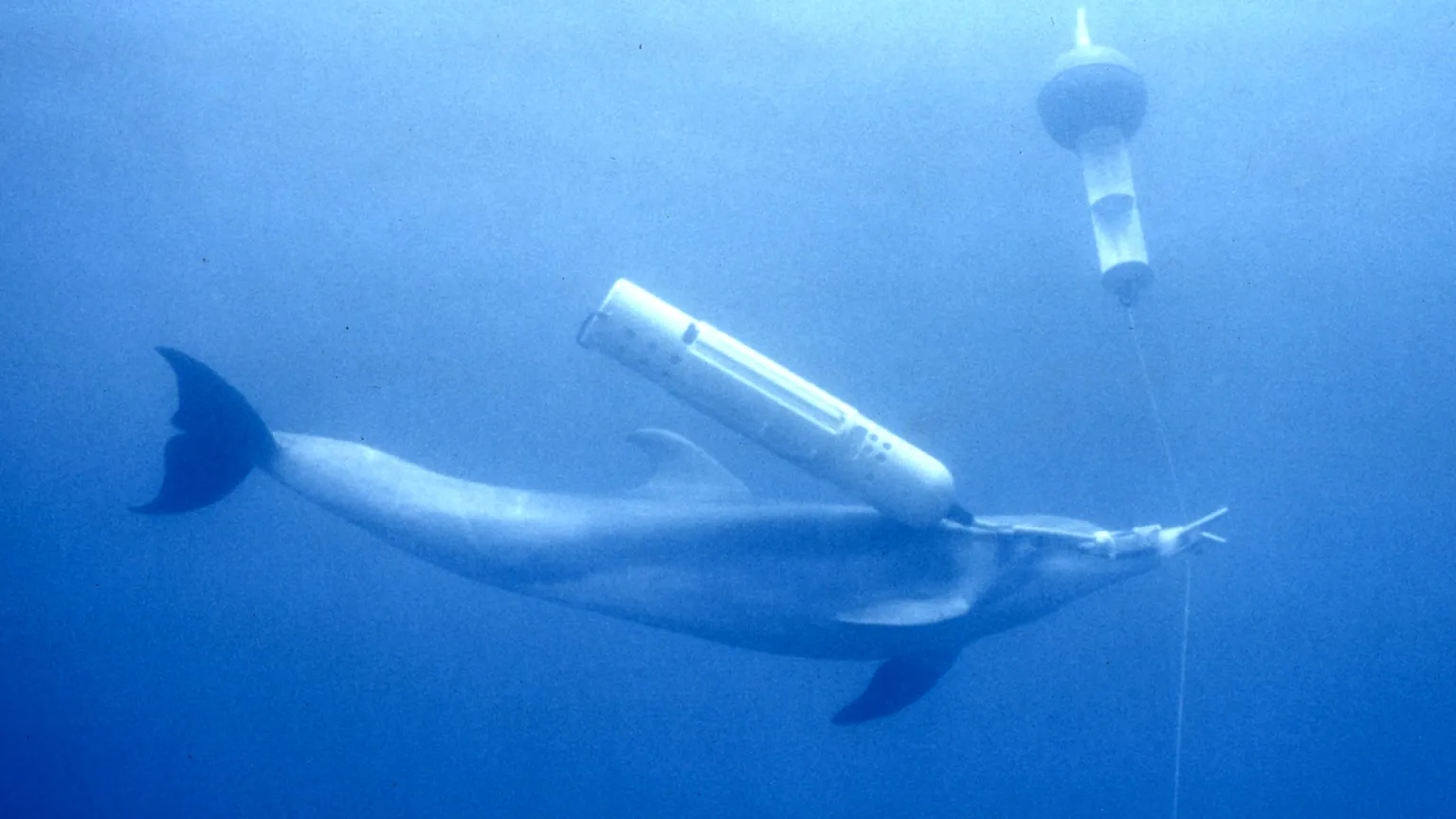
Tehran (Diplomat.so) - Iran is assessing the potential use of unconventional naval methods, including trained dolphins equipped with explosive devices, to target vessels in the Strait of Hormuz as tensions with the United States escalate, officials said Friday, May 1.
The remarks, attributed to Iranian officials and reported by The Wall Street Journal, signal a widening scope of military considerations amid a prolonged standoff over U.S. restrictions affecting Iran’s oil exports through the vital shipping corridor. Iranian authorities have framed the measures as economically punitive, with growing internal pressure to respond.
Mehdi Jamshid, an Iranian defense analyst, told Diplomat News Network that discussions around unconventional tactics reflect internal divisions within Iran’s security establishment. "These proposals are part of broader contingency planning rather than immediate operational intent,” he said, adding that decision-making remains tied to political and diplomatic developments.
On-the-ground observations from maritime operators indicate heightened alert levels across the strait, where naval patrols have intensified and commercial vessels are subject to increased monitoring. Shipping agents report longer transit times, additional inspections, and rising insurance premiums, underscoring the operational strain on one of the world’s busiest energy routes.
Reports also point to possible deployment of submarines to reinforce Iran’s maritime posture. The Islamic Revolutionary Guard Corps has issued warnings about the vulnerability of undersea communication cables that pass through the strait. Industry experts caution that any disruption to these خطوط could trigger widespread interruptions to global internet and financial data flows.
A regional telecommunications consultant, speaking on condition of attribution to Diplomat News Network, said, "The infrastructure running through the Strait of Hormuz is critical to global connectivity. Any targeted interference would have cascading effects across multiple sectors worldwide.”
Military analysts note that the concept of using marine mammals in naval operations is not unprecedented. Historical records from the U.S. Naval Undersea Museum show that dolphins were used by American forces for mine detection and harbor protection during the Vietnam War and subsequent operations. However, experts emphasize that adapting such programs for offensive purposes would represent a notable escalation in tactics.
The current tensions persist despite a fragile ceasefire framework between Washington and Tehran. Within Iran, some political factions increasingly interpret U.S. economic restrictions as acts of war, intensifying calls for a firmer response. This internal dynamic adds complexity to ongoing diplomatic efforts.
The Strait of Hormuz remains a critical chokepoint for global oil shipments, and any escalation carries significant implications for international energy markets and regional stability. Diplomatic channels remain open, with Iranian officials reportedly advancing proposals aimed at reducing tensions, even as divisions within U.S. policymaking circles continue to shape the trajectory of engagement.