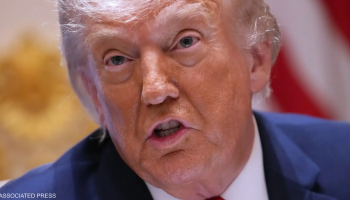
Washington, D.C. (Diplomat.so) – The White House said on Wednesday, April 22, that U.S. President Donald Trump is seeking a unified response from Iranian leadership to American proposals aimed at ending ongoing hostilities.
White House Clarifies Position on Timeline
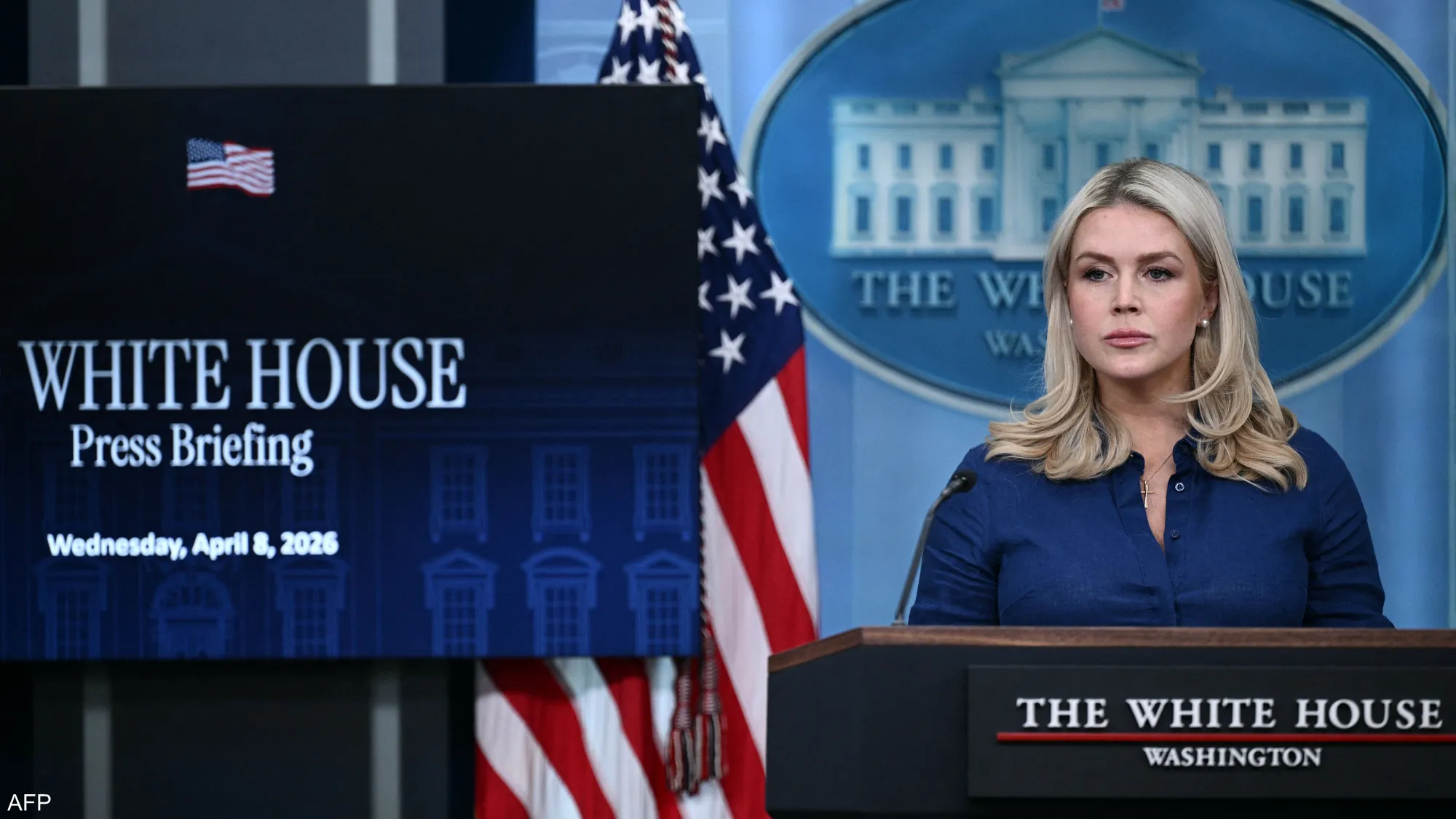
White House Press Secretary Karoline Leavitt told reporters during a briefing that the president has not set a formal deadline for Tehran to respond, contradicting earlier media reports suggesting a strict timeline.
"The president has not set a deadline to receive an Iranian proposal, contrary to some reports circulating today,” Leavitt said. "Ultimately, the commander-in-chief will determine the timeline.”
Leavitt added in a televised interview that Iran would be expected to agree to transfer its enriched uranium stockpile to the United States as part of any negotiated settlement. The proposal, she indicated, forms a central component of Washington’s framework to de-escalate the conflict and re-establish diplomatic engagement.
Ceasefire Extension
Donald Trump has signaled openness to extending a recently announced ceasefire for a limited period, according to U.S. officials familiar with internal discussions. Reports from multiple U.S. media outlets indicated the administration is considering an extension of between three and five days to allow Iran time to consolidate a unified negotiating position.
A senior U.S. official, speaking on condition of attribution to Diplomat News Network, said the extension is intended to "create a narrow but meaningful window for diplomacy without allowing indefinite delays.”
"The administration wants to see coherence from Tehran,” the official said. "Fragmented responses complicate negotiations and risk prolonging instability.”
Despite these signals, it remains unclear whether the proposed timeframe has been formally communicated to Iranian authorities.
Dispute Over Maritime Incidents
The White House also addressed reports that Iran had detained two container ships, a development that raised concerns about potential violations of the ceasefire.
Leavitt stated that President Trump does not view the detentions as a breach of the ceasefire agreement, noting that the vessels are neither American nor Israeli.
"No, because they are not U.S. ships, nor are they Israeli ships. They are international vessels,” she said during an interview.
She further accused Iran of engaging in "piracy” and rejected Tehran’s claims of control over the strategically critical Strait of Hormuz, through which a significant portion of global energy shipments pass.
Strategic Context
Maritime tracking data reviewed by regional shipping analysts shows increased caution among commercial operators transiting the Gulf, with some vessels delaying passage or rerouting amid uncertainty. Insurance premiums for shipping routes near the Strait of Hormuz have also risen in recent days, reflecting heightened risk assessments.
At ports across the region, including major Gulf transit hubs, smaller cargo operators reported longer wait times and heightened inspections. A logistics coordinator based in Dubai, Ahmed Al-Mansori, said activity remains "tense but operational,” noting that "companies are watching developments hour by hour.”
Diplomatic Stakes
The current ceasefire follows a period of escalated tensions between Washington and Tehran, marked by military exchanges and economic pressure. The U.S. administration has sought to leverage the pause in hostilities to restart negotiations, focusing on nuclear issues and regional security arrangements.
Iran’s internal political structure, which involves multiple centers of authority, has historically complicated unified responses to international proposals. Analysts say this dynamic may influence the pace and clarity of Tehran’s next steps.
Laura Carter, a senior fellow in Middle East policy, said a unified Iranian response would be critical. "Without a consolidated position, negotiations risk stalling before they begin,” she said. "Time-limited ceasefires can either catalyze diplomacy or expose divisions.”
Analytical Outlook
The evolving U.S. approach reflects a balance between pressure and engagement, with the limited ceasefire extension serving as both incentive and constraint. The demand for uranium transfer underscores Washington’s prioritization of nuclear safeguards as a precondition for broader agreements.
For regional stakeholders, the outcome of these discussions carries significant implications for security, trade, and energy markets. A breakdown in talks could renew hostilities, potentially disrupting critical shipping lanes and escalating geopolitical tensions.
The coming days are expected to test whether diplomatic momentum can be sustained, as both sides weigh strategic concessions against domestic and international pressures.