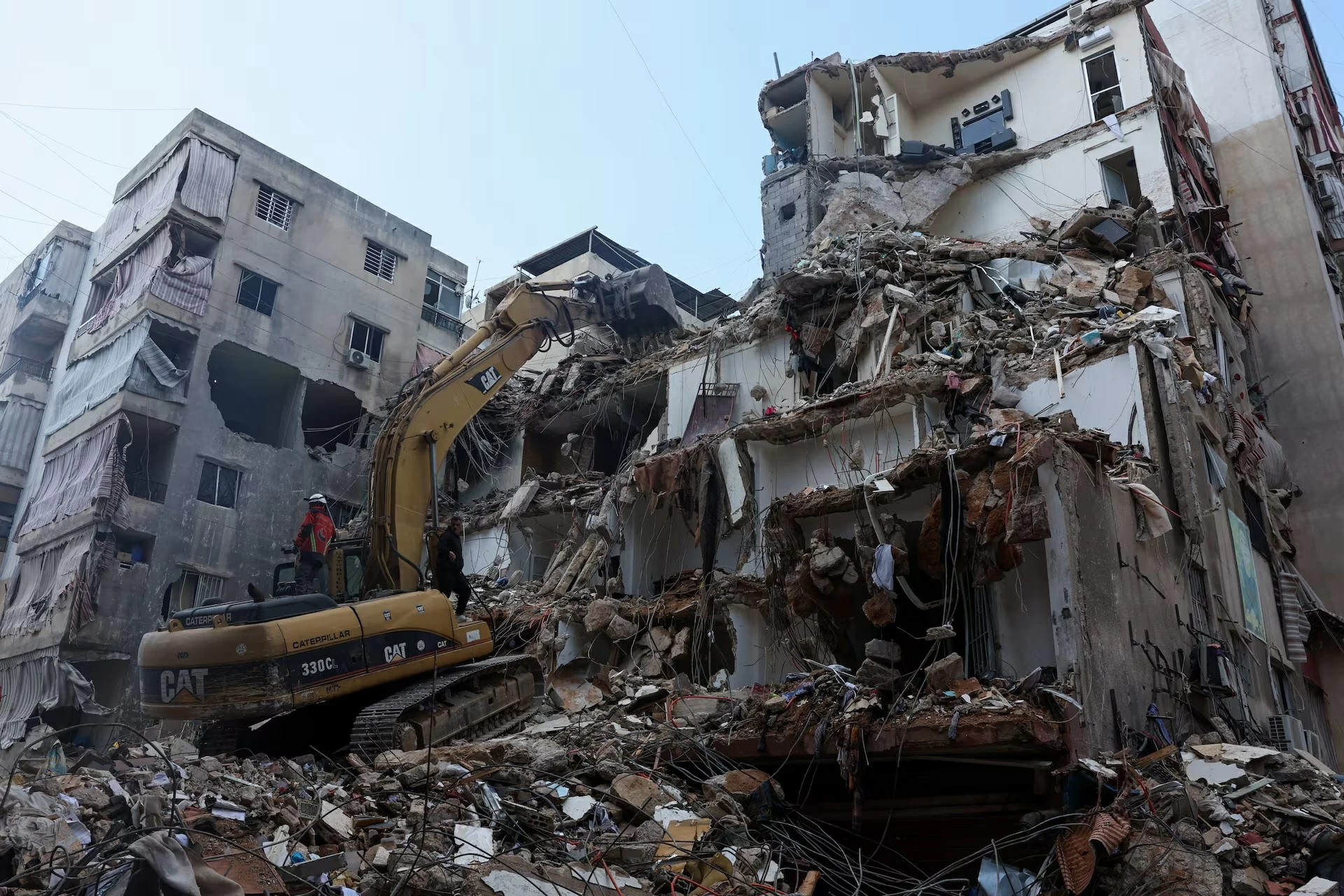
Beirut (Diplomat.so) - Lebanese Ministry of Public Health reported on Tuesday, that Israeli military operations in southern Lebanon have killed 2,124 people and injured 6,921 since March 2, as intensified airstrikes coincided with high-level negotiations in Washington.
Escalation Across Southern Lebanon
According to the National News Agency, Israeli airstrikes targeted multiple areas in southern Lebanon, including locations surrounding the city of Tyre and parts of Nabatieh district. Reported strike locations included Ain Baal, Tayr Debba, Zibqin, Siddiqine, areas near the Litani River, and the outskirts of Deir Kifa.
On-the-ground observations indicated extensive damage to residential neighborhoods and agricultural land, with smoke rising from several locations hours after the strikes. Emergency response teams were seen navigating damaged roads, while ambulances transported injured civilians to nearby hospitals under strained conditions.
"We heard repeated explosions throughout the morning, and many families left their homes immediately,” said Fares Chahine, a local shopkeeper in Tyre, speaking to Diplomat News Network. "The streets quickly filled with people trying to reach safer areas.”
Israeli Military Response
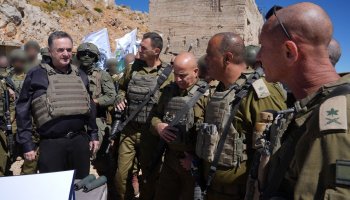
The Israel Defense Forces confirmed carrying out strikes in the border area of Adaisseh, stating that the targets included infrastructure linked to Hezbollah.
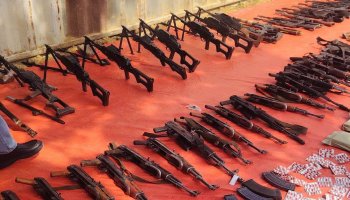
In an official statement, the military said Hezbollah had launched approximately 130 rockets from the area toward Israeli forces and territory since the beginning of operations. It added that the strikes were aimed at weapons storage facilities, launch platforms, and command centers.
Colonel Daniel Regev, an Israeli military spokesperson, stated during a briefing that "these operations are intended to reduce immediate threats and limit Hezbollah’s operational capabilities in the area.”
Washington Talks Mark Diplomatic Shift
The escalation occurred alongside the conclusion of rare high-level talks hosted by the United States Department of State in Washington on April 14.
Participants included U.S. Secretary of State Marco Rubio, senior official Michael Needham, U.S. Ambassador to Lebanon Michel Issa, Israeli Ambassador Yechiel Leiter, and Lebanese Ambassador Nada Hamadeh.
Officials described the discussions as constructive, focusing on initiating direct negotiations between Lebanon and Israel. A U.S. official stated that any agreement to halt hostilities must be reached directly between the two governments with American facilitation.
Disarmament and Sovereignty at the Core
Discussions highlighted significant differences over the issue of armed groups operating outside state control. U.S. officials reiterated support for strengthening Lebanese state authority, including efforts to limit the influence of Hezbollah.
Israeli representatives emphasized the necessity of dismantling non-state armed groups. Ambassador Yechiel Leiter stated that Israel remains committed to ensuring that such groups are disarmed to maintain long-term stability.
The Lebanese delegation underscored the importance of sovereignty and called for the full implementation of the November 2024 cessation of hostilities framework. A Lebanese diplomatic source noted that an immediate ceasefire is essential to address the growing humanitarian crisis.
Humanitarian Pressure Mounts
Health officials reported that hospitals in southern Lebanon are operating at or beyond capacity. Medical staff are facing shortages in supplies and personnel as casualty numbers continue to rise.
An emergency response coordinator working with a local humanitarian organization, speaking on condition of attribution, told Diplomat News Network that "the scale of displacement is increasing, and essential services are under severe pressure.”
Local residents described ongoing uncertainty, with many families remaining displaced amid concerns of further strikes.
Regional Implications and Outlook
The overlap of intensified military operations and renewed diplomatic engagement reflects a complex regional dynamic. Analysts suggest that the parallel tracks of military pressure and diplomatic negotiation could either create momentum for de-escalation or deepen instability.
Michel Boutros, a Beirut-based political analyst, said that "the reopening of direct communication channels, despite active conflict, indicates a shift in how both sides are approaching the crisis.”
The Washington meeting concluded with an agreement to pursue direct negotiations, with further details expected in the coming weeks. Observers note that sustained violence on the ground may influence the trajectory and viability of these diplomatic efforts.