Washington, D.C. (Diplomat.so) – The United States Department of War confirmed that U.S. forces successfully rescued a downed F-15E Strike Eagle weapons systems officer inside Iran on Sunday, April 5, following a complex, multi-phase operation involving special forces, air support, and intelligence coordination.
U.S. President Donald Trump announced the development in a public statement, describing the mission as "one of the most daring search and rescue operations in United States history,” and confirmed the officer, identified as a colonel, sustained injuries but is expected to recover.
"The officer was located deep behind enemy lines in mountainous terrain and under active pursuit by hostile forces,” Trump said. "Despite extreme risks, our forces demonstrated exceptional courage and precision.”
Complex Rescue Under Adverse Conditions
According to U.S. War officials, the rescued officer was part of a two-person crew aboard an F-15E fighter jet that was shot down over Iran’s Isfahan province on Friday, April 3. The pilot was rescued earlier the same day, but the second crew member remained stranded for nearly 48 hours in rugged terrain.
Officials familiar with the operation stated that the officer parachuted into a remote mountainous area and sustained an ankle injury upon landing. He reportedly took shelter in a rocky crevice at high elevation, limiting visibility and complicating detection efforts.
"This was essentially a search for a needle in a haystack,” said a U.S. official briefed on the mission, speaking on condition of attribution. "The terrain, combined with the presence of Iranian patrols, made aerial and ground identification extremely difficult.”
The rescue operation involved the deployment of approximately 100 U.S. special operations personnel transported by MC-130 aircraft into southern areas near Tehran. However, two of the aircraft reportedly became inoperable after landing, creating a critical complication during extraction.
Critical Decision and Emergency Extraction
A senior U.S. defense official described a pivotal moment when commanders were forced to adapt rapidly after the aircraft malfunction.
"If there was a very critical moment, it was when those aircraft could not take off,” the official told Diplomat News Network. "The speed of decision-making at that stage prevented what could have been a catastrophic situation.”
Commanders ordered additional aircraft to enter Iranian airspace to evacuate the special forces in phases. The extraction required personnel to remain exposed for approximately two hours before reinforcement arrived.
To prevent sensitive technology from falling into Iranian hands, U.S. forces destroyed the disabled MC-130 aircraft along with four helicopters used in the mission.
Eyewitness-level reporting from defense personnel described nighttime conditions, limited visibility, and difficult terrain as forces navigated steep mountain ranges exceeding 2,000 meters in elevation.
Intelligence and Deception Strategy
U.S. officials also confirmed that the Central Intelligence Agency (CIA) conducted a deception campaign prior to the rescue. The operation involved planting misleading information suggesting that the location of the stranded officer had already been identified and that movement was underway.
"The objective was to confuse Iranian response patterns and delay their access to the actual site,” said a senior administration official.
Additional measures included electronic warfare tactics such as signal jamming and targeted airstrikes on access routes surrounding the area to prevent Iranian ground forces from approaching.
A source familiar with the planning said the aircraft used in the final phase of the operation were smaller and more agile, enabling landing in remote or semi-prepared airstrips.
Israeli Involvement and Regional Coordination
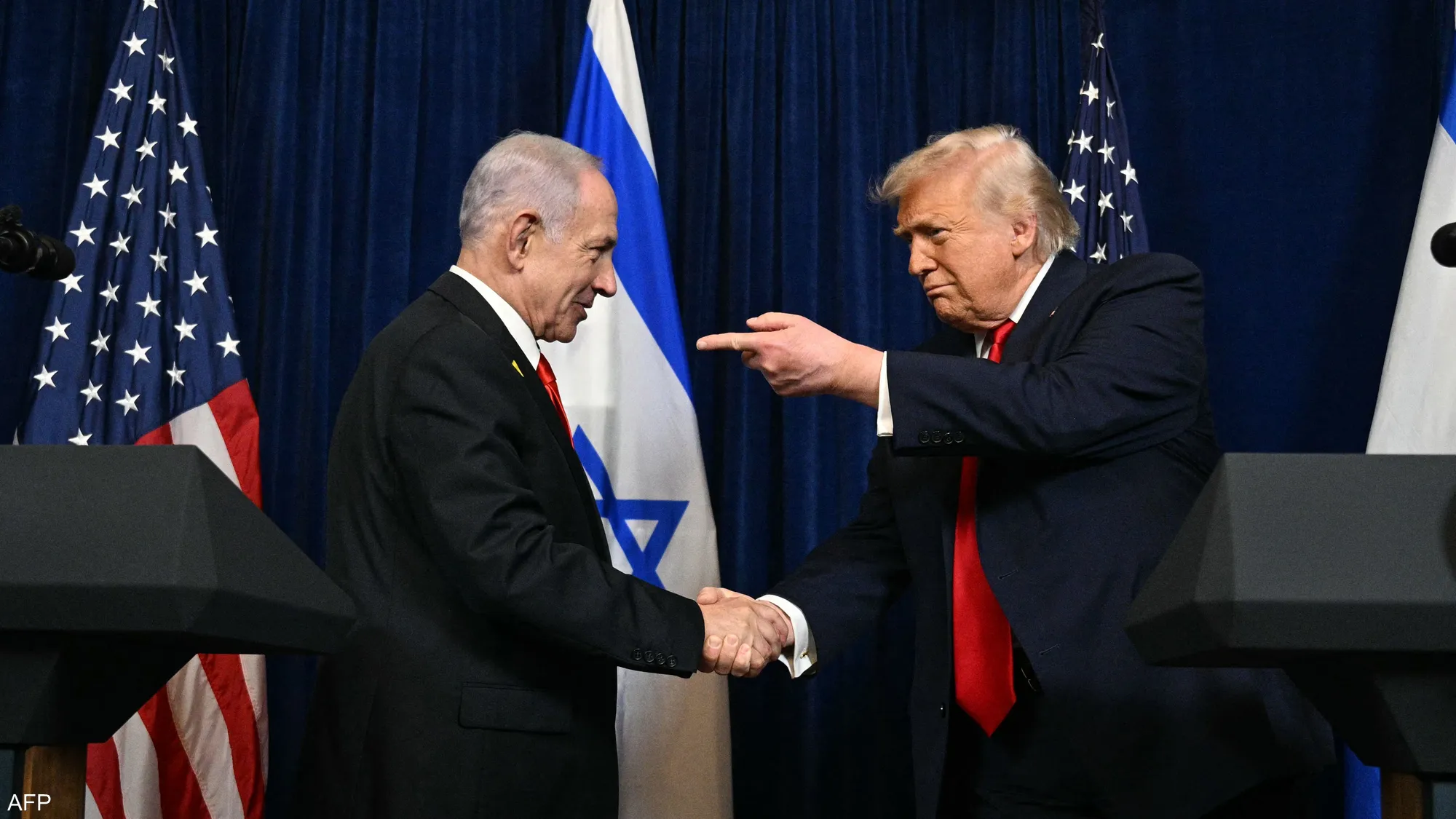
Israeli Prime Minister Benjamin Netanyahu confirmed on Monday, April 6, that Israel provided assistance to the United States during the mission, though he did not disclose specifics.
"I personally congratulated President Donald Trump on the bold decision and successful mission,” Netanyahu said in a statement. "Israel is proud to have contributed to the rescue of a brave American soldier.”
Israeli security sources indicated that the assistance included intelligence sharing and a temporary suspension of Israeli military operations in the area to avoid interference with the U.S. mission.
U.S. officials acknowledged that Israel’s contribution was "limited but meaningful,” particularly in the intelligence domain.
Conflicting Claims from Iran
Iranian military officials disputed the success of the operation. Ibrahim Zolfaghari, spokesperson for the Khatam al-Anbiya Central Headquarters, claimed that Iranian forces had "foiled” the U.S. rescue attempt.
"The so-called rescue operation was a failed deception maneuver conducted at a deserted airfield,” Zolfaghari said in remarks carried by Iranian state media.
However, Iranian authorities did not present evidence that the U.S. officer had been captured, and U.S. officials maintain that all personnel involved in the mission have safely exited Iranian territory.
Operational Context and Casualties
The rescue operation took place against the backdrop of a five-week conflict between U.S. and Iranian forces, during which military engagements have intensified across multiple domains.
U.S. Central Command reported that at least 13 American service members have been killed and more than 300 injured since the escalation began.
Military analysts note that the downing of the F-15E marked a significant moment, as it represents one of the few confirmed incidents involving a U.S. combat aircraft being shot down in Iranian airspace in recent years.
"This situation posed both operational and political risks,” said William Thomas, a defense analyst specializing in Middle Eastern conflicts. "Failure to recover the crew member could have had serious implications for morale and strategic posture.”
On-the-Ground Realities
Officials described the terrain where the officer was located as steep, rocky, and sparsely populated, with narrow valleys and limited road access. The area’s isolation, combined with Iranian patrol activity, created a high-risk environment for both the stranded officer and rescue teams.
Local residents in nearby rural areas reported hearing aircraft activity and distant explosions during the night, although these accounts could not be independently verified.
One regional observer told Diplomat News Network that "the pattern of flights and sudden pauses in aerial activity suggested something significant was happening.”
Strategic and Diplomatic Implications
The successful rescue is likely to carry broader implications for U.S. military doctrine and regional alliances. Analysts suggest it demonstrates both operational reach and the importance of intelligence cooperation between the United States and Israel.
At the same time, the operation underscores the risks of escalation. Conducting a large-scale military rescue inside the territory of a hostile state represents a significant breach of sovereignty and could prompt retaliatory measures.
"The success of the operation does not eliminate strategic risks,” said William Thomas. "It may reinforce deterrence, but it also increases the potential for further confrontation.”
Perspective
The extraction of the stranded officer concludes one of the most high-risk episodes of the ongoing conflict, highlighting the complexity of modern combat search and rescue operations in hostile territory.
U.S. officials have indicated that a full briefing led by President Donald Trump and senior military leaders is scheduled at the White House on Monday, April 6, where additional details about the mission are expected to be disclosed.
The outcome avoids what officials described as a near-catastrophic scenario, yet leaves unresolved questions about the trajectory of the broader conflict and the limits of military engagement in the region.