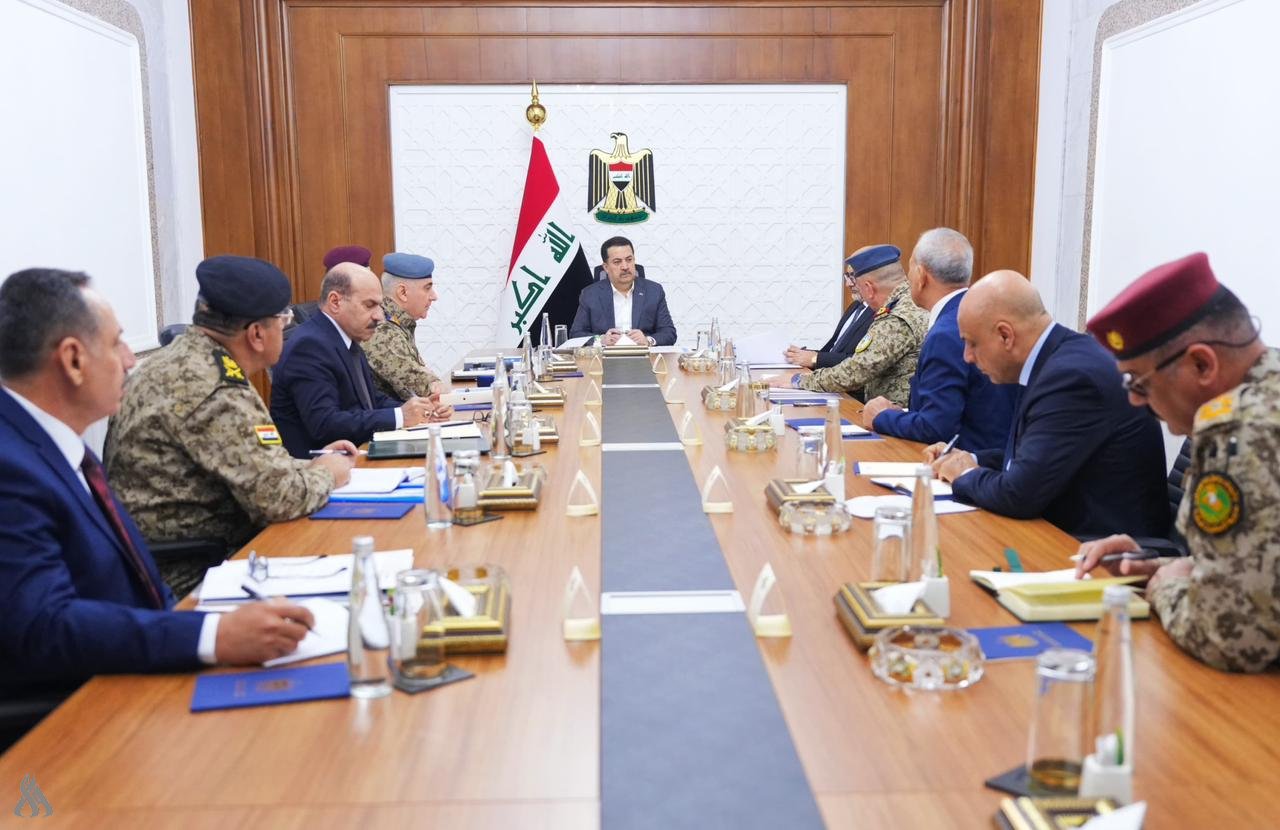
Baghdad (Diplomat.so) – Iraqi Prime Minister Mohammed Shia' Al-Sudani chaired a high-level security meeting in Baghdad on Sunday, to advance air defense modernization plans amid rising regional tensions and recent security incidents across the country.
According to an official statement from the Prime Minister’s media office, the session brought together the Chief of Staff of the Army, senior defense officials, and representatives from Iraq’s Military Industrialization Authority to review strategies for upgrading air defense systems and enhancing operational readiness.
Al-Sudani emphasized that strengthening Iraq’s defensive capabilities remains a core priority of the government’s national security strategy. "The government is committed to developing all security forces and enhancing their combat and technical capabilities to address evolving threats and safeguard Iraqi sovereignty,” the statement said.
Escalating Security Incidents
The meeting followed a series of security developments reported over the weekend, underscoring the urgency of bolstering defense infrastructure.
Iraq’s Popular Mobilization Forces (PMF) announced that a unit belonging to the 52nd Brigade came under what it described as an "air aggression” late Sunday in Tuz Khurmatu, a town in Salahuddin province.
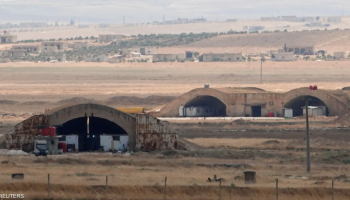
In a statement, the PMF said two airstrikes targeted a position at Al-Haliwah airfield but resulted in no casualties. The source of the attack was not independently verified, and no group has claimed responsibility.
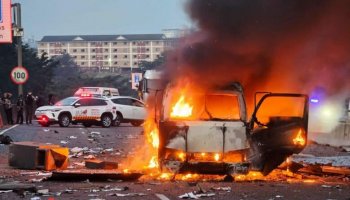
Separately, Iraq’s Ministry of Oil confirmed that storage facilities at the Bazarkan oil field in Maysan province were targeted by unidentified drones on Saturday evening. The ministry reported no injuries among staff but urged heightened caution among workers operating in the field.
An engineer at the Bazarkan site, speaking to Diplomat News Network on condition of attribution, described the aftermath. "We heard a loud explosion near the storage units, followed by a brief fire that was quickly contained. Operations resumed after safety checks,” he said.
Interior Ministry Reinforces Security Measures
Iraq’s Interior Ministry also moved to reassure both domestic and international stakeholders regarding security conditions. Colonel Abbas Al-Bahadli, the ministry’s spokesperson, stated that comprehensive protection measures are in place for diplomatic missions, investors, and critical infrastructure.
"All embassies, international organizations, and business interests are under full protection,” Al-Bahadli told the Iraqi News Agency. "We are working closely with other security agencies to secure vital facilities, including hotels and public institutions.”
He added that detention facilities across Iraq are "fully secured with multiple security perimeters,” emphasizing coordination among various branches of the security apparatus.
On the ground in central Baghdad, increased police presence was visible near major hotels and diplomatic compounds on Sunday evening. Security checkpoints were actively monitoring vehicle movement, with officers conducting routine inspections.
A local shopkeeper near the Karrada district noted heightened vigilance. "There are more patrols than usual, especially at night. People feel both reassured and cautious at the same time,” he told Diplomat News Network.
Directive for Firm Response
Interior Minister Abdul Amir Al-Shammari reinforced the government’s stance during a separate security conference held Sunday at the Operations Command headquarters in Baghdad. The meeting reviewed monthly crime statistics and trends, comparing data between February and March 2026.
Al-Shammari acknowledged a reduction in certain categories of incidents but called for sustained efforts to maintain stability. "Security forces must remain fully prepared and respond firmly to any attempts to destabilize the country, while strictly adhering to human rights standards,” he said, according to an official statement.
He also highlighted the need for improved coordination across security sectors and the modernization of surveillance and communication systems.
Context and Regional Implications
The recent incidents come amid broader regional tensions and increased reliance on drone technology in asymmetric warfare across the Middle East. Iraq, positioned at a strategic crossroads, has faced recurring challenges in securing its airspace against both state and non-state actors.
Efforts to modernize air defense systems have been ongoing, with Iraqi authorities seeking to integrate advanced radar systems and interception capabilities. Analysts note that gaps in air defense coverage have previously left critical infrastructure vulnerable to aerial threats.
Security analyst Hussein Al-Moussawi said the latest developments highlight systemic vulnerabilities. "These incidents demonstrate the evolving nature of threats facing Iraq. Strengthening air defense is not just a military necessity but a strategic imperative for economic and political stability,” he told Diplomat News Network.
Strategic Outlook
The government’s renewed focus on defense modernization signals an effort to address both immediate threats and long-term security challenges. Protecting oil infrastructure, maintaining investor confidence, and ensuring the safety of diplomatic missions remain central to Iraq’s stability.
The combination of policy directives, operational adjustments, and visible security measures reflects a multi-layered approach aimed at reinforcing national resilience. Observers say the effectiveness of these efforts will depend on sustained coordination, technological investment, and intelligence capabilities.
As Iraq navigates a complex security environment, the government’s actions in the coming months are expected to play a critical role in shaping both domestic stability and its position within the broader regional landscape.