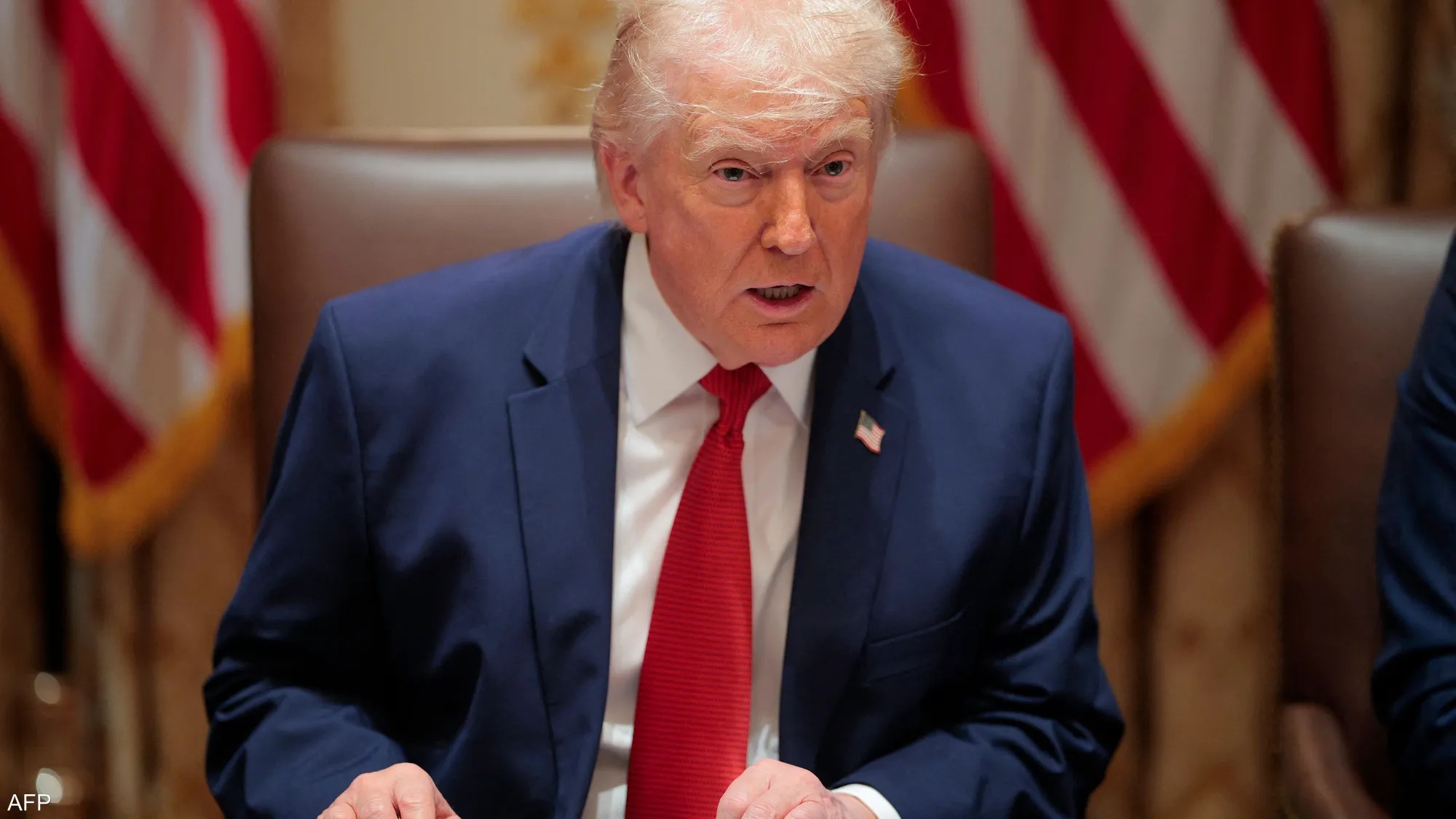
Washington, D.C. (Diplomat.so) – U.S. President Donald J. Trump stated Friday that he would not reveal potential U.S. responses if the American F‑15E fighter pilot, missing after being shot down in Iran, were harmed, highlighting rising tensions in the ongoing five‑week military confrontation.
Trump made the comments on April 3, as Iranian forces continued operations near the crash site, while diplomatic efforts led by regional intermediaries appeared increasingly stalled.
Search and Rescue Underway for Missing Pilot
U.S. and Israel forces have intensified search-and-rescue operations in southwestern Iran, near the Iraqi border, following the downing of the two-seat F‑15E. One crew member has already been safely recovered by U.S. forces, according to Pentagon officials, but the second pilot remains unaccounted for.
Local residents in the border region reported low-flying aircraft and helicopter activity, signaling intensified aerial sweeps.
Trump Signals Caution but Maintains Pressure
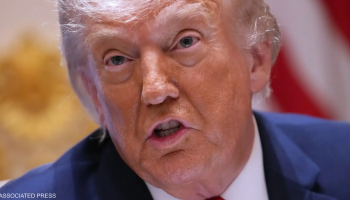
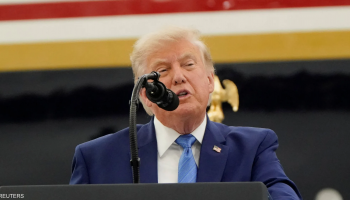
At a White House briefing, Trump refused to outline contingency plans regarding the missing pilot. "I’m not going to discuss specific actions — we hope it doesn’t come to that,” he said. Analysts suggest this cautious posture is intended to maintain operational security while signaling resolve to Tehran. Military experts note that despite U.S. claims of air superiority, Iranian air defenses and mobile missile systems continue to challenge coalition operations, complicating aerial missions in the region.
Diplomatic Efforts Falter
Regional mediators from Pakistan, Turkiye, Qatar, and Egypt have attempted to broker a ceasefire, but progress remains limited. Sources involved in the talks indicated that Iran formally rejected meeting U.S. officials in Islamabad, describing American demands as unacceptable. Alternate venues, including Doha and Istanbul, are being considered to potentially revive dialogue.
Mohammed ElBaradei, former Director General of the International Atomic Energy Agency, criticized assumptions that Iran would capitulate under pressure, tweeting on his X account, "Overwhelming force does not bend the knee, and attempts to intimidate only reinforce the resilience of the people. Understanding their culture is critical to diplomacy.”
Families and Domestic Response
The missing pilot’s family has publicly appealed for support. Margaret Turner, the mother of the pilot, wrote on social media, "Please pray tonight for my son and his unit. I still haven’t heard from him — his courage and service deserve every prayer.” U.S. lawmakers have called for transparency.
Local civilians near the crash site described a tense atmosphere, with heightened security checkpoints and visible military convoys. Residents reported hearing intermittent aircraft and helicopter activity, suggesting that search efforts are ongoing and closely monitored by both sides.
Strategic and Regional Implications
The incident underscores both the operational risks and diplomatic pressures facing Washington. Analysts highlight that the loss of an aircraft and the status of a missing pilot could influence U.S. military planning, regional alliances, and international perceptions. Harper Thomas, a security analyst, told Diplomat News Network, "Each lost asset carries tactical consequences and potential leverage for Tehran. This is a moment that tests both military capability and diplomatic strategy.”
The ongoing U.S. and Israel strikes, now entering their sixth week, continue to place the missing pilot’s fate at the center of attention, influencing U.S. military planning, shaping ongoing diplomatic negotiations, and driving domestic political debate. Search-and-rescue efforts remain active, even as regional tensions escalate, with both Washington and Tehran carefully considering their next moves in a security environment that is growing increasingly complex and unpredictable.