Tel Aviv (Diplomat.so) – The Israeli government indicated on Friday, that military operations against Iran could extend for at least two more weeks, with officials detailing an expanded list of strategic targets coordinated with the United States, pending final approval by U.S. President Donald Trump.
Israeli security officials told the Israeli Broadcasting Corporation that the ongoing campaign, now entering its sixth week, could extend beyond the original four- to six-week timeline. "Our assessments indicate that additional time will be needed to achieve critical objectives, particularly in disrupting Iran’s military infrastructure,” said a senior adviser to Israel’s Ministry of Defense, speaking on condition of attribution.
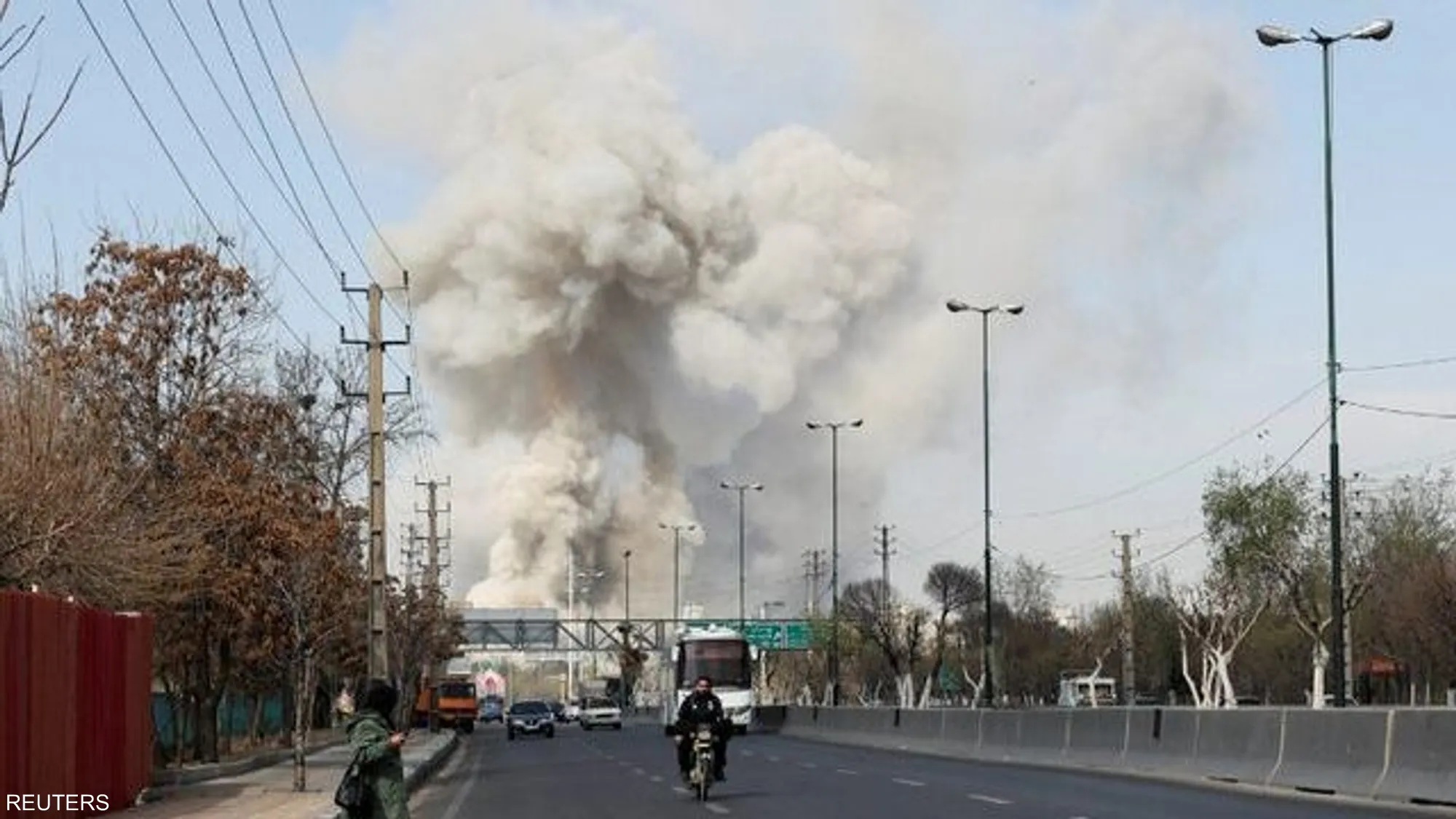
Observational reports from Tehran Friday evening indicated multiple explosions in the capital, accompanied by fighter jet activity. Local residents described the sky illuminated by anti-aircraft fire and emergency sirens, with eyewitness Kourosh Ehsan commenting, "The explosions were close enough to shake our buildings; people ran to shelters immediately.” The Iranian news agency Fars confirmed that air defense systems were activated across the city.
Expanded Targets
Israeli sources told that the next phase of operations may focus on Iran’s economic and infrastructural capabilities, including energy facilities, transportation networks, and previously untouched industrial sites. Officials emphasized that some of these strikes could have indirect consequences for civilian populations, though measures to minimize collateral damage are reportedly in place.
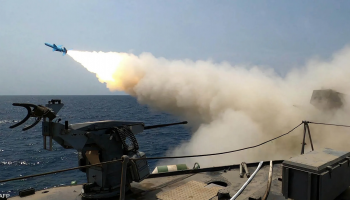
According to U.S. and Israeli assessments, recent operations have already targeted four major ballistic missile production sites and at least 29 launch locations, significantly reducing Iran’s missile deployment capacity. A Pentagon official, speaking on condition of anonymity, confirmed that approximately 11,000 targets have been struck over the past five weeks, leading to a 90 percent decrease in Iran’s drone and missile attacks on regional assets.
U.S. Approval
The expansion of Israeli strikes remains contingent on U.S. political approval. White House officials have yet to finalize a decision, balancing military escalation against potential diplomatic avenues. Israeli officials have described the bombing of a bridge between Karaj and Tehran as a "signal” to Iranian leadership of Washington’s readiness to escalate if negotiations fail.
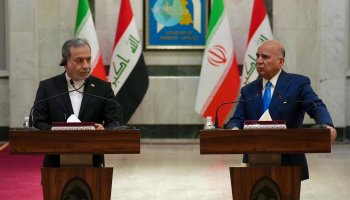
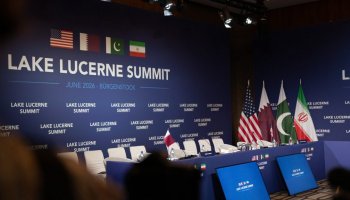
Sources familiar with U.S.-Iran talks told Israel Hayom that negotiations remain stalled due to mutual distrust. "Iran insists on an immediate ceasefire with international guarantees, while Washington demands full reopening of the Strait of Hormuz and surrender of enriched uranium stockpiles,” said a U.S. diplomatic official.
Analysts warn that this deadlock increases the likelihood of prolonged conflict.
Economic Impact
Targeting Iran’s critical infrastructure could have far-reaching economic consequences, including disruptions to global energy markets. Israeli officials highlighted the importance of precision strikes aimed at limiting systemic damage while still undermining the regime’s military financing. Residents in Tehran reported blackouts and interruptions to local transport, signaling immediate but contained economic impact.
Diplomatic observers note that an extended campaign may strain regional alliances and heighten tensions with neighboring Gulf states.
Civilian Situation
Since February 28, when coordinated Israeli and U.S. strikes began in Iran, civilian activity in Tehran has sharply declined, with some schools and businesses closed. The ongoing operations and resulting disruptions have created a pervasive sense of uncertainty among residents.
Analysts say the sustained military pressure could influence Iran’s internal decision-making. "The operational tempo combined with public disruption may pressure Tehran to reconsider its strategic posture,” said Piroz Javad, a local resident.
Outlook
Israeli and U.S. officials continue to evaluate the trajectory of the campaign, with current intelligence indicating a possible two-week extension. The next phase would target both military and economic sites to further limit Iran’s ability to retaliate. Analysts caution that the balance between escalation and diplomacy remains fragile, and developments over the coming days are expected to influence regional security and international negotiations.