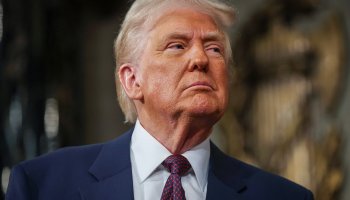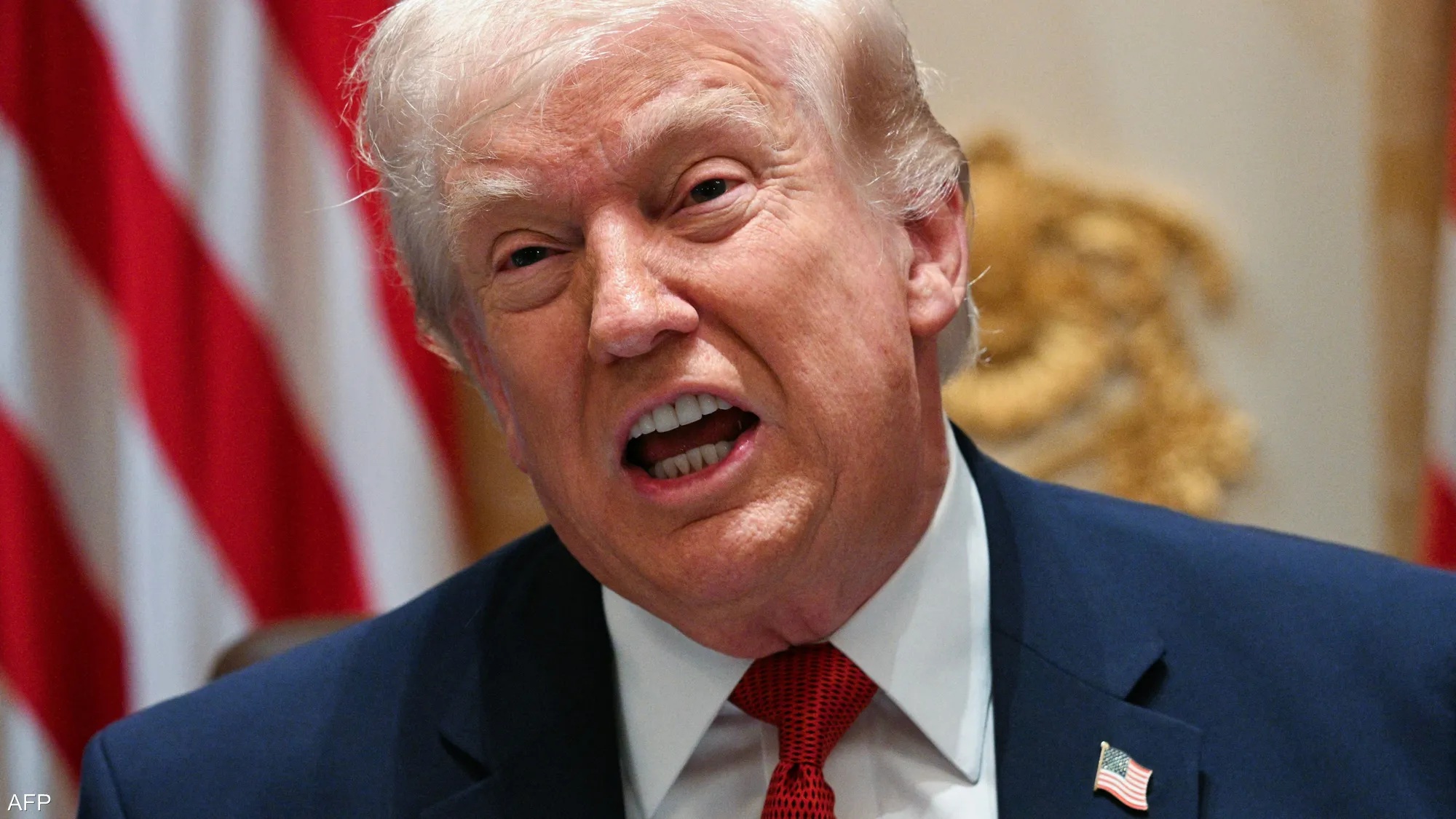
Washington, D.C. (Diplomat.so) – U.S. President Donald Trump sharply criticized several American allies on Tuesday, March 31, for refusing to participate in military operations against Iran or to secure navigation through the Strait of Hormuz. Speaking via his social media platform Truth Social, Trump singled out the United Kingdom and France, urging them to take independent action to protect their strategic and energy interests.
Trump stated, "All those countries that cannot get jet fuel through the Strait of Hormuz, like the United Kingdom, which refused to participate in overthrowing Iran, here’s a proposal: first, buy from the United States, we have plenty. Second, have some courage, go to the Strait, seize it.” He added that the U.S. would no longer assist allies who had not supported American efforts, emphasizing, "Iran is basically broken. The hard part is over. Go get your oil yourselves!”
In a separate post, Trump criticized France for denying overflight rights to U.S. military aircraft transporting equipment to Israel, describing France as "completely uncooperative” regarding what he called the "Iran butcher, successfully neutralized.”
European Allies Restrict U.S. Military Access
Trump’s remarks follow recent decisions by European nations limiting U.S. military operations on their territories. Spain closed its airspace to U.S. fighter jets bound for the Middle East on Monday, while Italian officials reportedly denied American bombers access to a Sicilian airbase. France also restricted U.S. aircraft involved in combat from refueling on its bases.
Secretary of State Marco Rubio told Fox News on Tuesday that the restrictions could have long-term implications for NATO relations, stating, "Unfortunately, once this war ends, we may have to reconsider that relationship and the value NATO represents for our country.” Rubio emphasized that a significant portion of NATO’s value lies in European bases that allow U.S. forces to project power globally.
He added, "If we reach a point where NATO prevents us from using these bases effectively to defend U.S. interests, NATO becomes a one-way street. When we need allies to allow us access and the answer is ‘no,’ we have to ask, why are we in NATO?”
U.S. Military Operations and Timeline
U.S. President Donald Trump also addressed the broader military campaign against Iran, suggesting a potential U.S. withdrawal within two to three weeks. Speaking to reporters at the White House, he indicated that Tehran is not required to negotiate with Washington for the conflict to conclude, adding that the primary condition for ending operations is ensuring Iran is "completely backward,” particularly regarding nuclear capabilities.
"We’ve removed the top and second-tier leaders of the Iranian regime; the third tier is now more rational,” Trump said, noting ongoing negotiations with Iranian officials. He reiterated that ensuring secure navigation through the Strait of Hormuz is not the United States’ responsibility, stating, "This is not our business. It will be up to France or any other country using the Strait.”
According to U.S. sources cited by The Wall Street Journal, Trump informed advisors that he was prepared to end military operations against Iran even if the Strait remained closed, concluding that reopening the maritime corridor could prolong the conflict.
On-the-Ground Reactions and Observations
Observers in Washington and European capitals noted heightened diplomatic tensions following these statements. At a Pentagon press briefing, senior officials expressed concern that European restrictions on U.S. access could complicate operational logistics and delay potential strike plans. "Our allies’ decisions are impacting planning timelines,” said one defense official, speaking on condition of attribution.
In London, analysts emphasized that Trump’s public criticisms could strain long-standing defense relationships.
Residents near key military facilities in Spain and Italy reported seeing heightened activity as U.S. aircraft rerouted to alternative bases.
Historical and Geopolitical Context
The current tensions follow the escalation of U.S.-Iran hostilities since February 28, when Washington and Israeli forces initiated coordinated operations aimed at degrading Iran’s regional influence and military capabilities. The Strait of Hormuz, a strategic chokepoint through which approximately 20% of global oil passes, has historically been a flashpoint in U.S.-Iran confrontations.
Previous U.S. administrations have relied heavily on European allies for operational bases and logistical support. The recent refusals signal a shift in European willingness to engage directly in regional military initiatives. Analysts note that these dynamics could impact NATO cohesion and U.S. strategic planning in the Middle East.
Analytical Insight
Trump’s public statements and Rubio’s remarks underscore the growing tension between U.S. military objectives and European political constraints. The potential recalibration of NATO relationships highlights a strategic challenge: balancing operational autonomy with alliance commitments. Furthermore, the call for allies to independently secure critical maritime routes could signal a U.S. pivot toward unilateral action if multilateral support remains limited.
Experts suggest that these developments may influence the broader Middle East energy markets, as countries reliant on the Strait of Hormuz for oil exports may face supply uncertainties. "Even minor disruptions in the Strait have ripple effects globally,” said Dr. Henderson, emphasizing the economic and diplomatic stakes.
As U.S. operations enter their fifth week, officials indicate that the focus will shift toward consolidating gains in Iran’s military infrastructure while navigating the diplomatic complexities posed by allied restrictions.