Kuala Lumpur (Diplomat.so) - The Government of Malaysia confirmed on Wednesday, April 1, that Malaysian vessels awaiting passage through the Strait of Hormuz will transit without paying fees to Iranian authorities, Communications Minister Fahmi Fadzil, who also serves as government spokesperson, said at a routine press briefing.
Fadzil emphasized that several Malaysian-owned ships currently positioned in the Persian Gulf are allowed to pass freely, clarifying earlier reports suggesting potential charges. "We will not pay any fees, contrary to what some internet users may have misunderstood,” he said. "Nothing will be paid.”
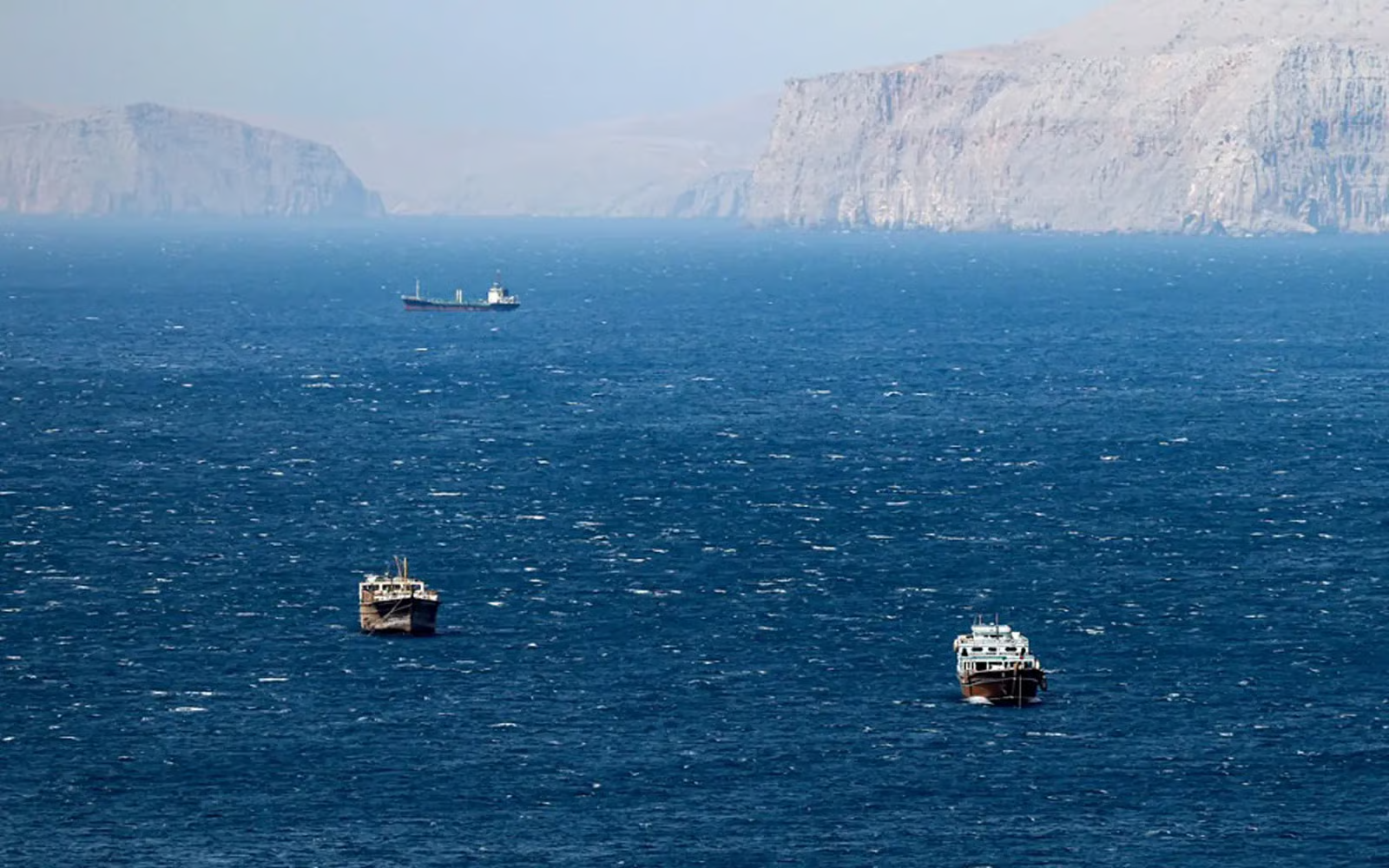
Eyewitness accounts from maritime observers in the Gulf indicate that a small fleet of Malaysian tankers, including those operated by national oil company PETRONAS and its subsidiaries, are queued near the entrance to the strait under clear, calm weather conditions. Crew members reported orderly coordination with local authorities and visible Iranian naval patrols monitoring the corridor.
Iran has recently announced stricter passage rules for the strategic waterway, permitting only "non-hostile” ships to transit, in coordination with relevant Iranian authorities. Iranian Foreign Ministry spokesperson Nasser Kanaani reiterated earlier this week that vessels linked to the United States, Israel, or other parties involved in active conflict would not be allowed to pass. Maritime analysts note that Tehran’s measures reflect broader attempts to assert control over a channel through which roughly 20 percent of global crude oil shipments flow.
Industry experts say Malaysia’s exemption underscores the significance of diplomatic relations in navigating these new regulations. Shipping analyst Rizwan Shafiq, speaking to Diplomat News Network, noted, "Malaysia’s longstanding engagement with Tehran appears to have secured its vessels an exemption, reducing operational uncertainty and avoiding additional costs that other carriers might face under Iran’s new system.”
Historically, the Strait of Hormuz has been a focal point of geopolitical tension, with previous disruptions affecting global energy markets. Recent developments, including Iran’s prospective tolling and clearance requirements, have raised concerns among regional and international stakeholders about freedom of navigation and trade continuity.
Local maritime officials in Kuala Lumpur observed that the exemption alleviates immediate logistical pressures on Malaysia’s energy and shipping sectors.
Analysts indicate that while Malaysia benefits from this arrangement, other nations and commercial operators remain vulnerable to Iran’s evolving transit framework. Observers emphasize that continued diplomatic engagement and adherence to international maritime law will be critical in ensuring safe and predictable passage for all vessels.
The situation in the Strait of Hormuz remains closely watched, with implications for global shipping, energy security, and regional diplomacy, as countries navigate the balance between strategic control and international trade obligations.