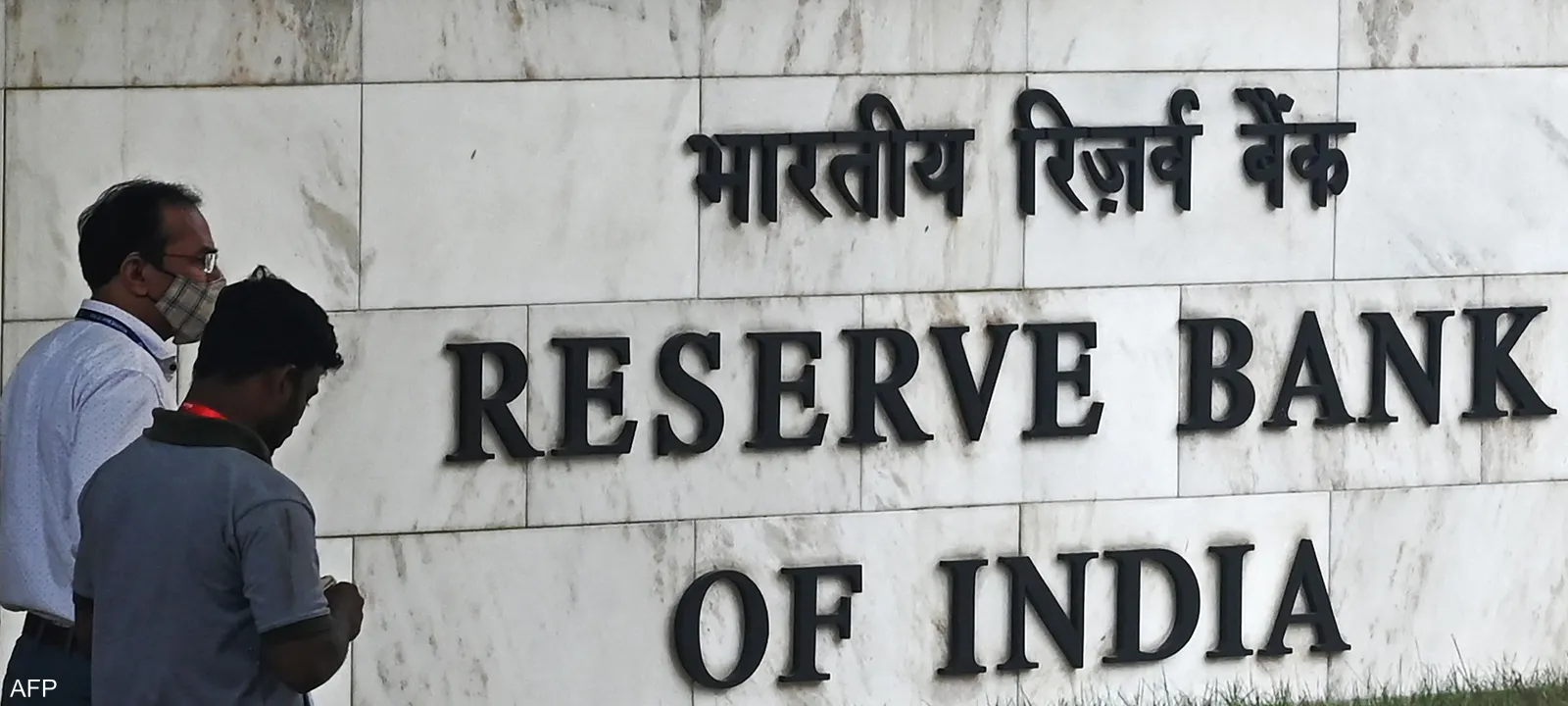
New Delhi (Diplomat.so) – The Reserve Bank of India (RBI) triggered a sharp rebound in the Indian rupee on Tuesday, by capping banks' net open foreign-exchange positions at $100 million per day, marking its most decisive currency intervention in over a decade.
The unexpected move forced domestic banks to trim large currency holdings, lifting the rupee to ₹93.48 per U.S. dollar from levels exceeding ₹94 in recent sessions. Traders on the Mumbai foreign-exchange floor reported heightened activity as dealers scrambled to adjust positions in response to the announcement. A senior dealer at a private bank, speaking on condition of attribution, described the scene as "a rush to flatten positions before the close, which pushed the rupee notably higher in early trade.”
"This is the first time in more than ten years that the RBI has imposed such a direct cap on open positions,” said Farah Mehta, a Mumbai-based currency strategist. "The restriction encourages banks to engage in orderly dollar sales rather than taking on speculative exposure, providing temporary market stability.”
The policy comes amid a backdrop of dwindling foreign-exchange reserves, which fell by more than $30 billion in the first three weeks of March, as authorities intervened to support the rupee following rising geopolitical tensions between the United States and Israel on one side and Iran on the other. Analysts note that high global oil prices and an expanding trade deficit have continued to exert downward pressure on the currency.
Several domestic banks reportedly expressed concerns over the abrupt implementation, warning that liquidating positions worth at least $30 billion could generate substantial losses. Bankers requested that the cap apply only to new speculative trades, a measure that analysts say could ease operational strain while maintaining regulatory objectives.
On the ground, Mumbai’s forex trading floors displayed active coordination between traders and risk managers, with multiple banks adjusting internal systems to comply with the RBI directive.
Market observers emphasize that while the rupee’s surge may provide temporary relief, structural factors—including energy import costs, capital outflows, and geopolitical uncertainties—will continue influencing currency dynamics. CR Forex Advisors projected a short-term rupee range between ₹92.5 and ₹92.8 per dollar, signaling potential for modest further gains under current conditions.
The RBI is signaling a strategic shift toward using regulatory tools to manage currency volatility, rather than relying solely on spot-market interventions and reserve adjustments, potentially setting a precedent for more measured currency management amid ongoing global financial and geopolitical pressures.