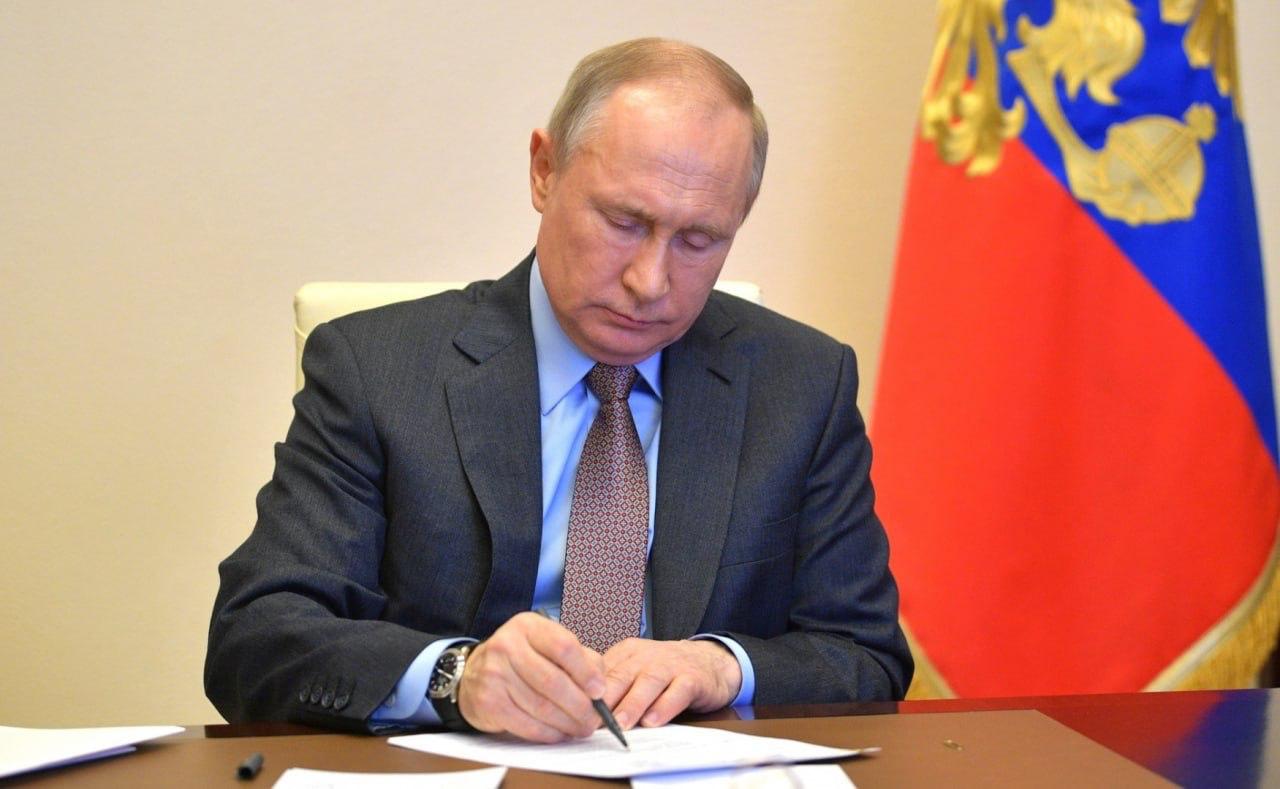
Moscow (Diplomat.so) – The Russian government has issued a decree prohibiting the export of refined gold bars weighing more than 100 grams from the country, effective May 1, 2026, President Vladimir Putin announced on Thursday.
The decree, published on Russia’s official legal information portal, specifies that the restriction applies to individuals, legal entities, and sole proprietors, with limited exemptions. The measure forms part of a broader campaign by Moscow to combat the shadow economy, Deputy Prime Minister Alexander Novak stated.
"Gold has increasingly been used as a substitute for foreign currency in illicit transactions,” Deputy Finance Minister Alexei Moiseev explained. "This facilitates capital flight and money laundering, and the new restrictions are intended to curb such practices.”
Under the new rules, individuals may only export up to 100 grams of gold, valued at approximately 1,149,425 rubles ($14,127). Novak emphasized that the regulation is one of ten measures targeting unregulated retail operations, cryptocurrency transactions, illegal lending, and alcohol and tobacco markets.
On the ground in Moscow, several gold retailers reported an immediate uptick in inquiries as citizens sought to sell or export holdings before the May deadline.
Market data indicated early impacts on pricing. As of Thursday, the Russian ruble gold price per ounce stood at 357,511 rubles ($4,394), down 10,279 rubles from the previous day. One gram of 24-karat gold traded at 11,494 rubles ($141), while 22-karat gold sold at 10,536 rubles ($129) per gram.
Russia is the world’s second-largest gold producer, and industry experts remain uncertain how the ban will affect large-scale mining companies. "The decree primarily addresses individual and small-scale exports, but its ripple effect could influence corporate sales indirectly,” Sokolov said.
Historically, Russia has used gold as both a reserve asset and a tool for economic stabilization amid sanctions. Analysts suggest that restricting exports may consolidate domestic reserves while tightening controls over unreported financial flows.
Financial authorities have signaled readiness to monitor compliance rigorously, with customs and tax agencies instructed to enforce penalties for violations. The policy highlights Moscow’s ongoing effort to reinforce economic sovereignty and reduce unregulated capital movement, potentially affecting both domestic markets and international trade relations.