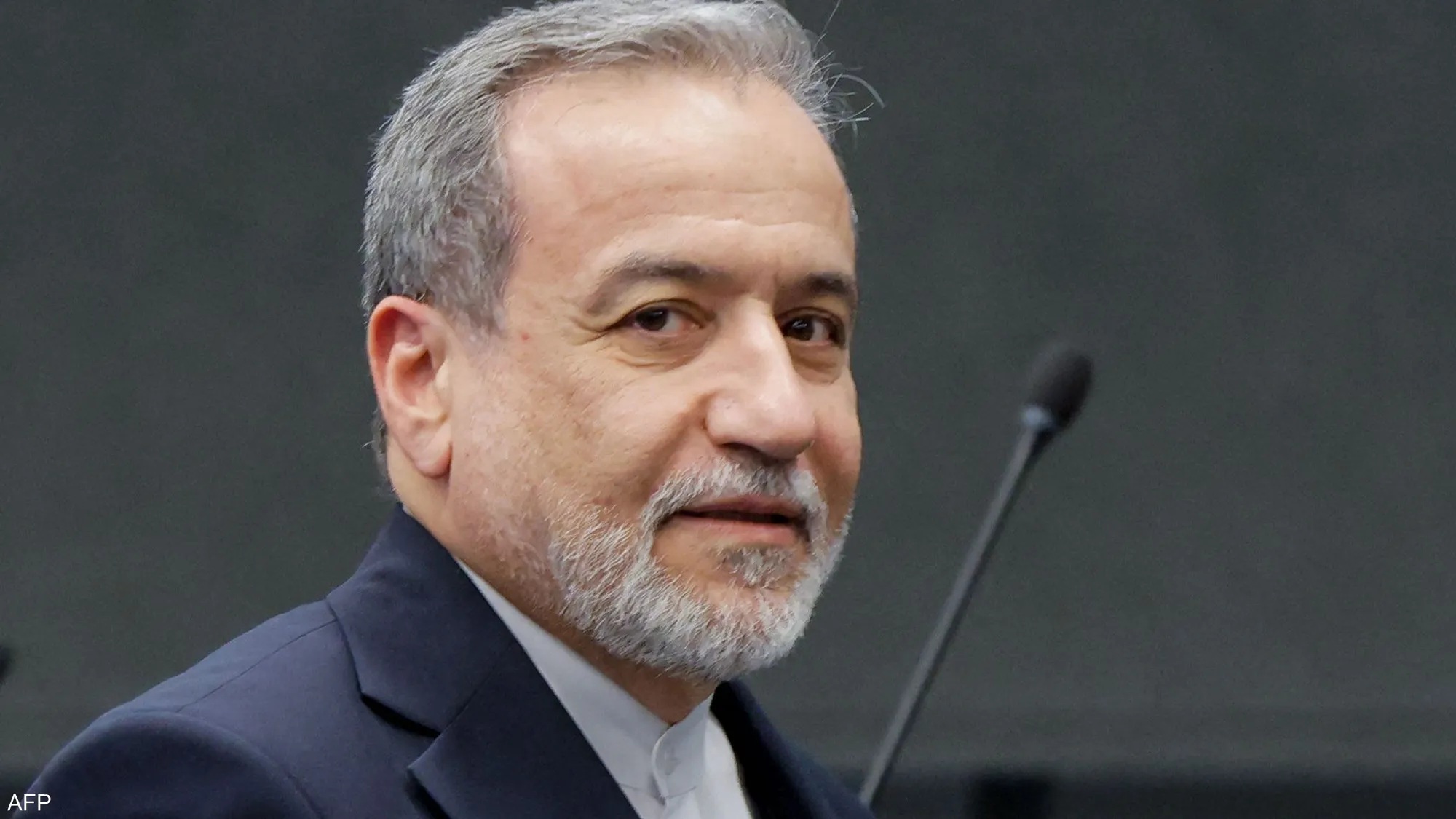
Tehran (Diplomat.so) – Iran's Foreign Minister, Abbas Araghchi, stated on Wednesday, that the Iranian government does not plan to engage in negotiations with the United States to end the ongoing conflict.
Araghchi, speaking in an interview with state television, emphasized that Tehran has not participated in talks to cease hostilities and maintains no intention to initiate negotiations. He clarified that indirect communications through intermediaries "do not constitute direct negotiations with the United States.” Araghchi added that senior authorities are reviewing proposals but remain firm in their position that Iran will not enter discussions with Washington.
The statement follows renewed U.S. warnings to Iran regarding potential military escalation. White House spokesperson Caroline Levitt, speaking in Washington on Wednesday, warned that "there is no need for further death and destruction,” while stressing that "if Iran does not acknowledge the current reality and its military position, President Donald Trump will ensure it faces strikes more severe than previous attacks.”
Levitt also indicated that Iranian leadership has an opportunity to cooperate with the U.S., conditional upon abandoning its nuclear program and ceasing threats against American interests and regional allies.
Observers note that past attempts at a U.S.-Iran ceasefire faced fundamental disagreements. Key points of the American proposal were reportedly unacceptable to Tehran, which insisted that discussions would not cover its ballistic missile program, support for regional militias, or control over the Strait of Hormuz—issues it regards as critical to national security.
Analysts highlight that Iran’s rejection of direct U.S. negotiations may further complicate diplomatic efforts and prolong regional instability. Bassel Farhadi, a senior geopolitical analyst, told Diplomat News Network, "Iran is sending a clear signal of strategic resistance. This position reinforces domestic political support while challenging Washington’s ability to pressure Tehran on nuclear and regional military issues.”
The ongoing standoff underscores the fragility of regional security and the challenges for diplomatic resolution. With both Tehran and Washington maintaining rigid positions, experts warn that prospects for immediate de-escalation remain limited, and any future engagement would require substantial concessions from both parties.