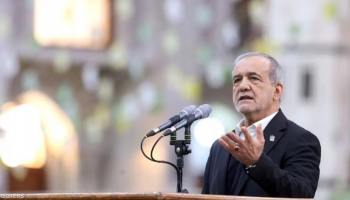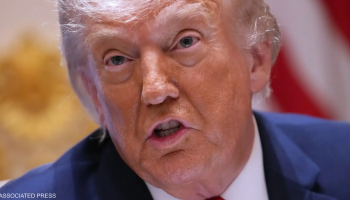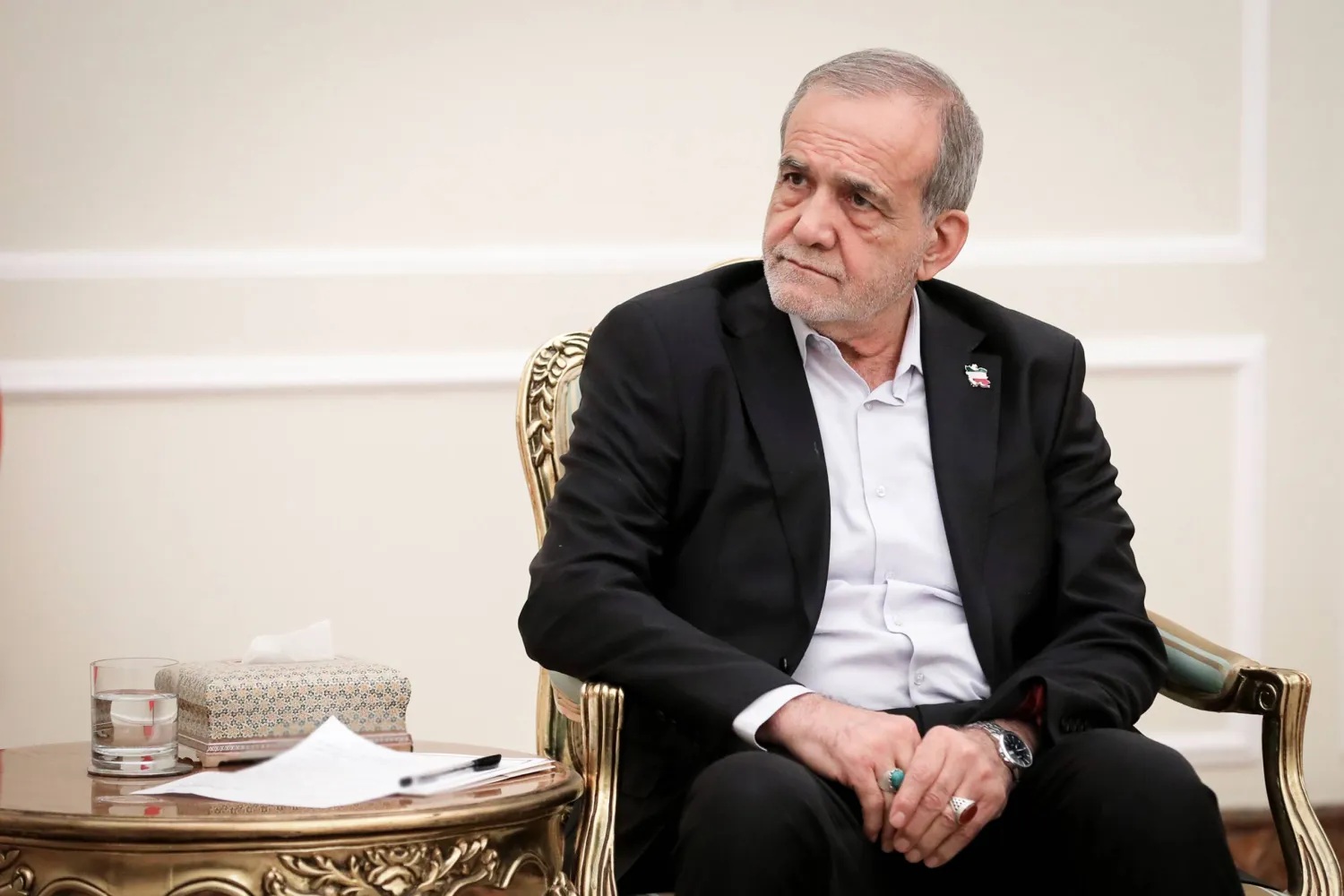
Tehran (Diplomat.so) – President of Iran Masoud Pezeshkian stated on Tuesday, that growing global awareness is shifting public opinion against the United States and the Israeli government amid ongoing geopolitical tensions in the Middle East.
According to IRNA, Masoud Pezeshkian, President of Iran, said the perceived actions of Washington and Tel Aviv have contributed to what he described as increasing international concern. "The hearts of free people across the world are against the United States and the Israeli regime due to developments that have drawn widespread attention,” he said.
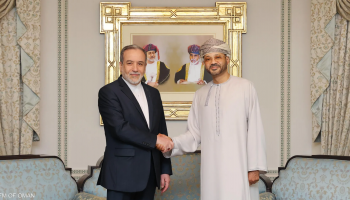
Iranian Foreign Minister Abbas Araghchi reinforced Tehran’s diplomatic stance, urging neighboring countries to prevent their territories from being used in any military operations targeting Iran. Araghchi emphasized that regional cooperation is essential to maintaining stability, stating that states must ensure their sovereignty is not compromised by external actors.
"We call on regional governments to take firm measures so that their soil is not exploited for hostile actions against the Islamic Republic,” Araghchi added, reflecting Iran’s continued focus on border security and regional deterrence.
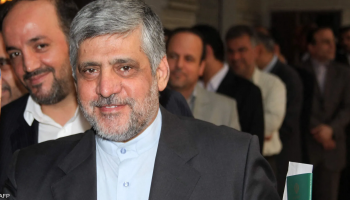
In Moscow, Iran’s Ambassador to Russia Kazem Jalali addressed military preparedness concerns, arguing that the United States would face limitations in sustaining a prolonged conflict with Iran. He pointed to logistical and supply chain constraints affecting military readiness. "Replenishing advanced weapons systems takes considerable time, which challenges the capacity for extended engagement,” Jalali said.
Separately, Iran’s Ambassador to the United Kingdom, Ali Mousavi, criticized what he described as London’s silence regarding US-Israeli military activities. He urged the British government to adopt a position aligned with international law and publicly address the situation. Mousavi argued that clear diplomatic responses are necessary to uphold global legal norms.
On the ground in Tehran, activity around government districts appeared heightened, with visible security presence and regulated traffic flow. Commuters moved through controlled checkpoints during daylight hours, while uniformed personnel monitored key intersections, reflecting ongoing precautionary measures amid heightened political messaging.
Regional analysts note that Iran’s coordinated statements from multiple senior officials suggest a broader diplomatic effort to shape international discourse and reinforce its position on sovereignty and non-intervention. Reza Farrokh, a political analyst based in the region, observed that such messaging is often aimed at both domestic and international audiences, signaling resolve while seeking diplomatic leverage.
The developments come amid sustained tensions between Iran and Western-aligned governments, with diplomatic exchanges increasingly focused on security concerns, regional alliances, and interpretations of international law. Observers say these exchanges may influence future negotiations and regional alignments, particularly if neighboring states respond to calls regarding the use of their territories.