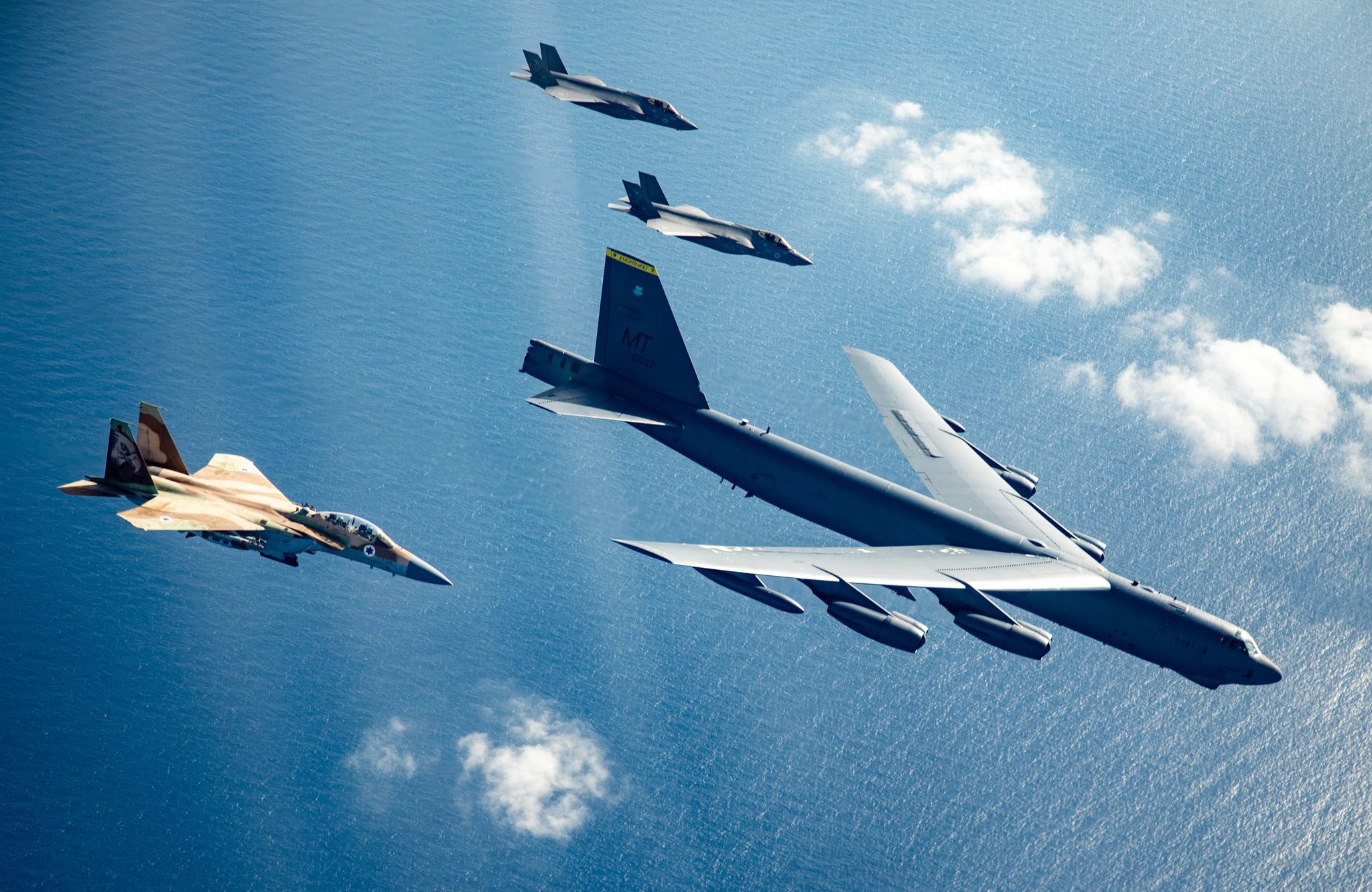
Tehran (Diplomat.so) – The Israel Defense Forces announced that its air force carried out extensive strikes across Tehran on Sunday, targeting military and intelligence infrastructure amid an ongoing escalation with Iran.
In its official statement, the Israel Defense Forces said the strikes focused on weapons production and storage facilities, a military training base used for air defense systems, and additional compounds linked to Iran’s intelligence apparatus. Among the reported targets were a headquarters associated with the Iranian Ministry of Intelligence and an emergency command center operated by internal security forces.
An Israeli military spokesperson, Lt. Col. Daniel Regev, told reporters that the operation aimed to "degrade strategic capabilities that directly threaten Israeli and regional security,” adding that the targets were selected based on "verified intelligence assessments.” He did not provide specific casualty figures.
Local residents in western Tehran described hearing multiple explosions overnight, with visible smoke rising from industrial zones.
The strikes follow a broader military campaign that began on February 28, involving coordinated actions by Israel and the United States targeting Iran’s military and nuclear-related infrastructure. The campaign has reportedly resulted in the deaths of several high-ranking Iranian political and military figures, including Supreme Leader Ali Khamenei, according to regional sources.
Israeli Prime Minister Benjamin Netanyahu said in remarks on Thursday that Iran no longer possesses the capacity to enrich uranium or develop ballistic missiles at scale. "Iran is weaker than ever before,” Netanyahu stated, adding that operations would continue "for as long as necessary to eliminate the threat.”
Iran has responded with missile strikes targeting Israel and several Gulf states, according to official statements from affected countries. Emergency services in southern Israel reported that more than 100 people were injured following two missile attacks, including one on the city of Arad that caused extensive damage to residential buildings.
Eyewitness footage showed paramedics treating injured civilians inside damaged structures.
Another missile strike targeted Dimona, a city in the Negev desert known for hosting Israel’s main nuclear research facility. Officials said the missile landed in a residential area approximately five kilometers from the site, injuring 33 people. Iranian state media described the strike as retaliation for earlier attacks on the Natanz nuclear facility.
On Saturday, the Israeli military confirmed it had also struck a facility at Malek Ashtar University of Technology in Tehran, alleging it was used for strategic research linked to nuclear weapons components. The university, affiliated with Iran’s Ministry of Defense, has been under international sanctions for its role in missile and nuclear development.
Iran has consistently denied seeking to develop nuclear weapons, maintaining that its nuclear program is for peaceful purposes. However, Western governments, including the United States, have long accused Tehran of pursuing military nuclear capabilities.
The intensifying exchange underscores the widening scope of the conflict, with implications for regional stability, energy infrastructure, and international security. Analysts warn that continued escalation risks drawing in additional actors and disrupting critical shipping routes in the Middle East.
"The current trajectory suggests a shift from covert confrontation to open military engagement,” said Hamud Abdalla a regional security analyst. "That significantly raises the stakes for all parties involved.”