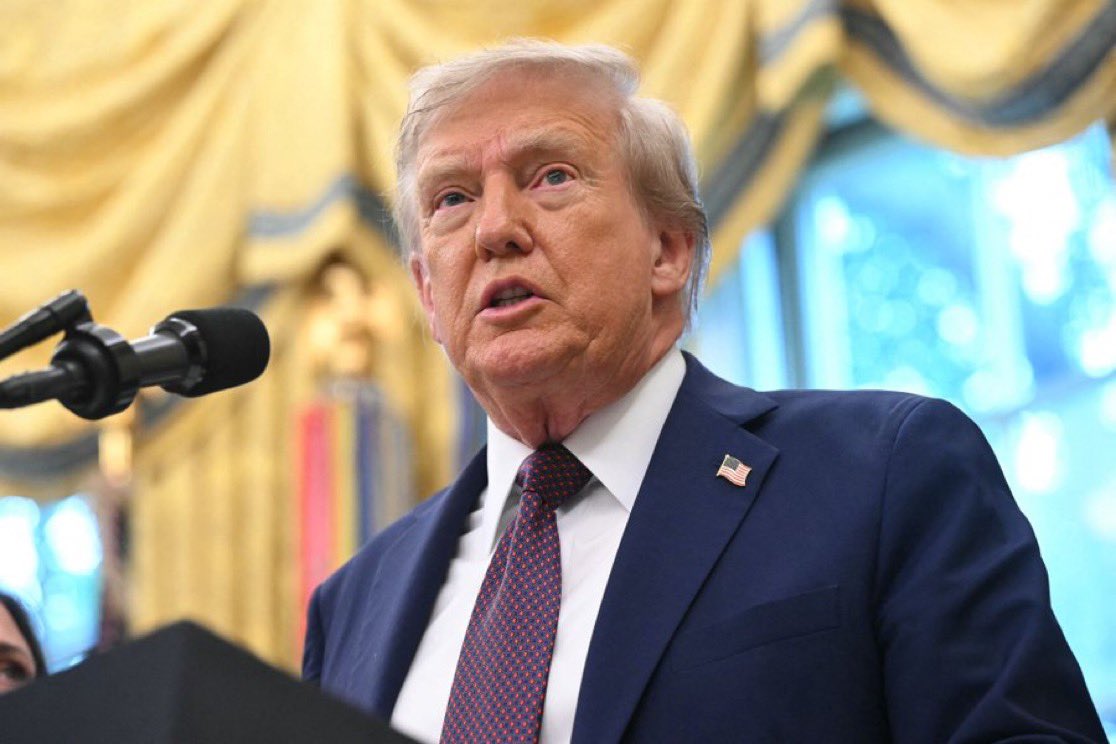
Washington, D.C. (Diplomat.so) - Donald Trump, President of the United States, said on Saturday that the United States has achieved its objectives in military operations related to Iran, claiming progress ahead of schedule while signaling possible adjustments to the country's engagement strategy in the Middle East.
In a post on his Truth Social platform, Trump stated that the United States had "completely defeated Iran,” adding that key military capabilities had been dismantled. He said the operation had progressed faster than planned, asserting, "I have achieved my goals in the war on Iran, and I have exceeded the timeline by weeks.” He further claimed that Iran’s leadership had been removed and that its naval and air forces had been destroyed, though he did not provide independently verified evidence to substantiate these statements.
Trump also indicated that despite what he described as military success, Iran was seeking negotiations. He dismissed the prospect of an agreement, stating he was not interested in pursuing a deal under current conditions, signaling a continued hardline stance toward diplomatic engagement at this stage.
On Friday, Trump had suggested that U.S. operations were approaching completion and that a reassessment of military efforts in the region was under consideration. He outlined objectives that included limiting Iran’s missile capabilities, degrading its defense industrial infrastructure, and preventing any advancement toward nuclear weapons capability, while maintaining security assurances for U.S. allies in the region.
White House Press Secretary Karoline Leavitt provided additional details on the expected timeline of the operation, stating that it was projected to take between four and six weeks. She noted that "tomorrow marks the completion of three weeks,” and emphasized that the administration remained focused on achieving what she described as a "complete and comprehensive victory.”
Historically, U.S.-Iran relations have been marked by cycles of confrontation and limited engagement, particularly surrounding Iran’s nuclear program, regional influence, and sanctions regimes. Successive U.S. administrations have employed a mix of diplomatic efforts, economic measures, and military deterrence to address strategic concerns, contributing to a complex and often strained bilateral relationship.
The latest statements underscore the geopolitical significance of U.S. policy toward Iran, with potential implications for regional stability and allied security arrangements in the Middle East. Analysts note that any shift in the scope of U.S. military involvement could influence deterrence calculations and shape how regional actors respond in both security and diplomatic contexts.