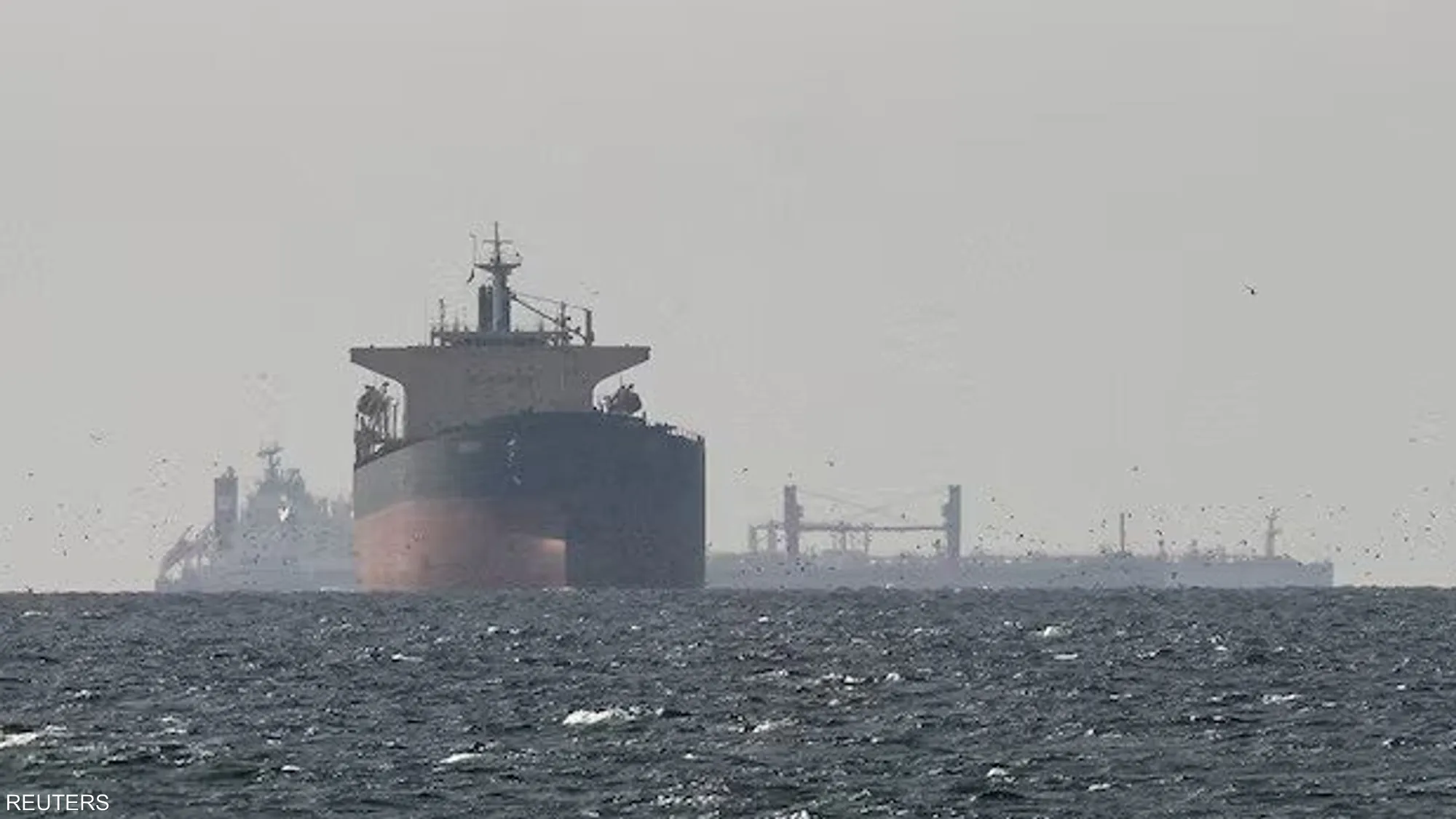
Washington, D.C. (Diplomat.so) - U.S. Central Command (CENTCOM) announced on Saturday, that its forces have imposed a maritime blockade on vessels to and from Iranian ports and coastal areas, as regional naval operations intensify across the Strait of Hormuz and surrounding waters amid rising Iran–U.S. tensions.
Maritime Enforcement
U.S. Central Command said in a formal statement that its naval and air assets have established an active enforcement posture aimed at restricting maritime movement linked to Iranian ports, citing ongoing security operations in the region.
The command stated that 23 vessels complied with U.S. directives to return toward Iranian waters after the blockade measures were introduced.
"A total of 23 vessels have complied with orders to return to Iran since the maritime restrictions were imposed on Iranian ports and coastal areas,” CENTCOM said, according to the statement reported by Diplomat News Network.
CENTCOM also confirmed that Apache attack helicopters conducted patrol flights over the Strait of Hormuz during operations on Friday, April 17, describing the activity as part of efforts to maintain "a visible security presence” and support freedom of navigation in one of the world’s most critical energy corridors.
Military personnel have also been conducting aerial surveillance missions over the strait and adjacent maritime zones, reflecting an increased operational tempo that officials say is intended to deter escalation and ensure maritime traffic security.
Hormuz Closure
Iran responded by announcing a renewed closure of the Strait of Hormuz, reversing a brief decision to reopen the passage for commercial shipping during the ongoing ceasefire period in the wider regional conflict.
Tehran accused Washington of violating maritime understandings linked to the reopening of the strategic waterway.
"The Strait of Hormuz has returned to its previous status and is under strict control and management by the armed forces,” Iranian authorities said in a statement, reiterating that movement through the passage remains subject to Iranian oversight.
Iranian officials further warned that restrictions would remain in place until what they described as the lifting of the U.S. maritime blockade on Iranian ports.
The Iranian Revolutionary Guard Corps separately warned commercial vessels against departing anchorage points in the Arabian Gulf and the Sea of Oman, signaling heightened enforcement measures along key shipping lanes.
Israeli Preparations
Security developments have triggered heightened alert levels in Israel, where military officials have reportedly compiled a "target bank” in preparation for potential escalation scenarios linked to stalled U.S.–Iran diplomatic efforts, according to Israeli media reporting.
An Israeli security official was quoted as saying: "It is too early to know where things will go. While the U.S. appears interested in reaching an agreement, Iran is maintaining a hardline position.”
Israeli defense forces have raised air force readiness levels, with operational planning underway for rapid escalation if ceasefire conditions collapse. Military officials describe the situation as highly volatile, particularly as indirect diplomatic engagement continues through regional intermediaries.
Pakistan has reportedly continued mediation efforts between Washington and Tehran, with its military leadership engaging Iranian counterparts in an attempt to reduce tensions and narrow diplomatic gaps.
U.S. President Donald Trump has also weighed in, stating that Washington "will not allow Iran to blackmail the United States,” following the renewed closure of the strait, while maintaining that diplomatic outcomes remain possible depending on Iranian cooperation.
Maritime Incidents
Separate maritime incidents have further increased concern among shipping operators. The United Kingdom’s Maritime Trade Operations agency reported that a commercial tanker came under fire approximately 20 nautical miles northeast of Oman.
According to the agency, "two vessels believed to be linked to Iran’s Revolutionary Guard initiated fire without issuing any radio warning,” though it confirmed the ship and crew were safe and that an investigation was underway.
India also formally protested to Iran after what it described as an "incident involving gunfire” targeting two Indian-flagged vessels in the Strait of Hormuz.
"The Government of India has conveyed its deep concern regarding the firing incident involving two Indian-flagged vessels earlier today,” India’s foreign ministry said in a statement.
The vessels were reportedly forced to reverse course after encountering Iranian naval units, according to maritime tracking data cited in regional monitoring reports.
Global Implications
The United Kingdom has called for the full resumption of shipping activity through the Strait of Hormuz, emphasizing the need to stabilize one of the world’s most important energy transit routes.
Secretary of State for Foreign and Commonwealth Affairs of the United Kingdom, Yvette Cooper, said the situation reflects a "critical diplomatic moment” and stressed that maritime traffic has not yet returned to normal operational levels despite ceasefire conditions elsewhere in the region.
Analysts warn that sustained disruption in the Strait of Hormuz could significantly affect global oil and liquefied petroleum gas shipments, given that a substantial portion of global energy exports transit through the waterway.
Diplomatic observers note that overlapping military activity, competing territorial assertions, and fragmented ceasefire agreements are increasing uncertainty across the Gulf region, with shipping companies and energy markets closely monitoring developments as tensions remain unresolved.