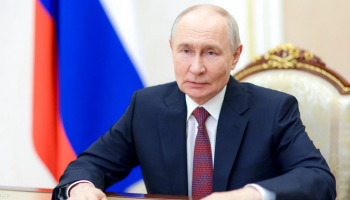
Washington, D.C. (Diplomat.so) - Politico reported Friday that a proposal presented by Kirill Dmitriev, described as President Vladimir Putin's economic envoy, was rejected by the United States after it linked intelligence-sharing arrangements with Ukraine and Iran during discussions involving U.S. and Russian intermediaries in Miami last week.
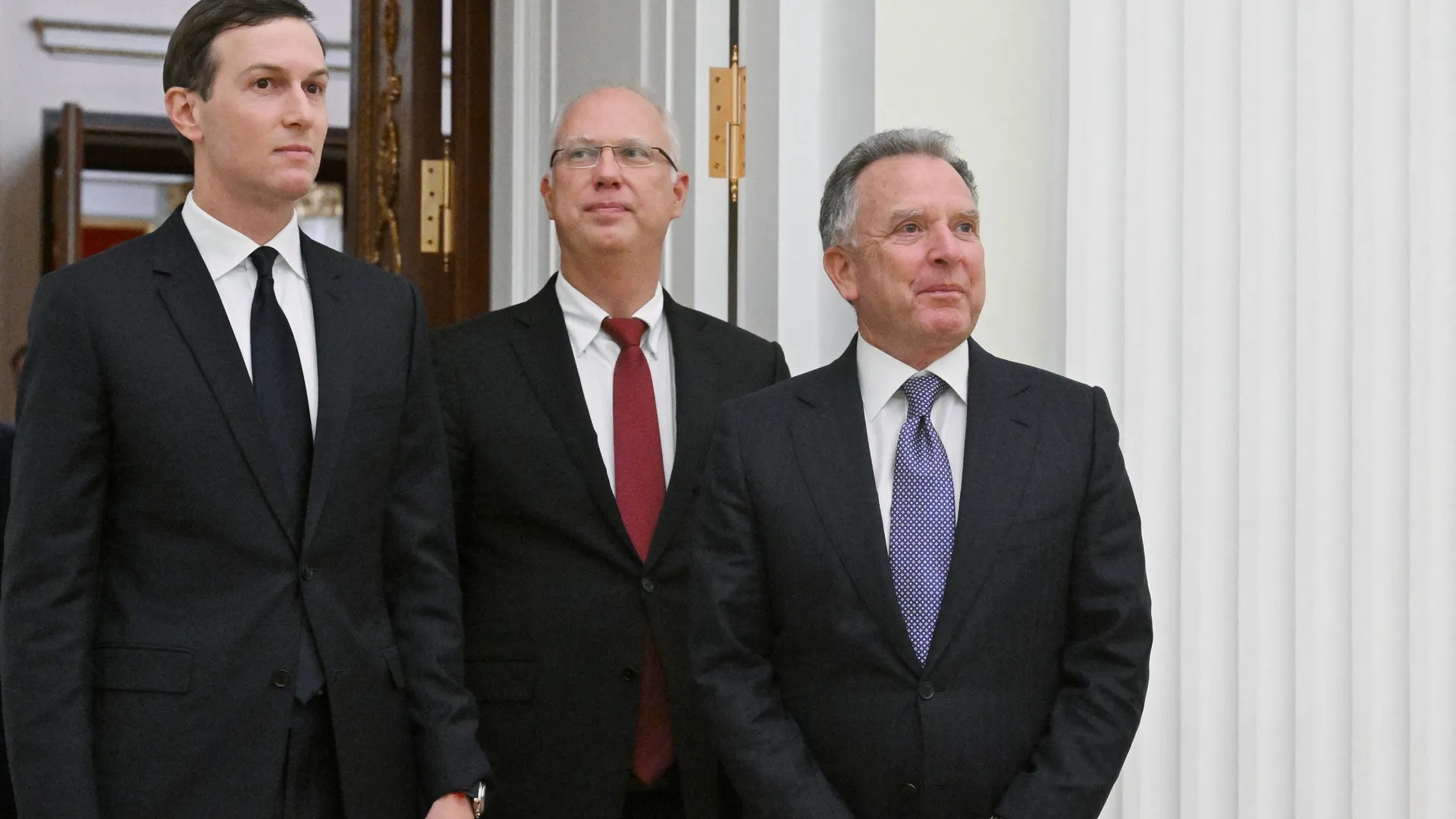
According to Politico, the Russian side suggested that Moscow would cease sharing intelligence with Tehran — including information that could affect the positioning of U.S. military assets in the Middle East — if Washington agreed to halt its intelligence support to Kyiv. The proposal was conveyed during a meeting with U.S. figures including Steve Witkoff and Jared Kushner.
Individuals familiar with the discussions told Politico the offer was considered but ultimately declined by U.S. officials, who determined that it did not align with current policy priorities. The sources spoke on condition of anonymity due to the sensitivity of the diplomatic contacts.
A U.S. official, speaking generally about the matter, characterized the idea as inconsistent with ongoing support frameworks for Ukraine, though did not provide further detail on internal deliberations.
The report has drawn attention in Europe, where officials expressed concern that such proposals could signal attempts to reshape bilateral dynamics between Washington and Moscow at the expense of allied coordination. A diplomat within the European Union described the reported proposal as "highly unusual,” reflecting unease over its potential implications for transatlantic security alignment.
In Brussels and other European capitals, the episode is being interpreted as part of broader diplomatic signaling rather than a finalized negotiation track. Analysts note that while no agreement emerged, the reported exchange underscores continuing backchannel engagements alongside the broader geopolitical tensions surrounding the war in Ukraine.
The development highlights ongoing complexities in U.S.–Russia interactions, particularly as both sides navigate intelligence considerations, alliance commitments, and regional security concerns across multiple theaters.