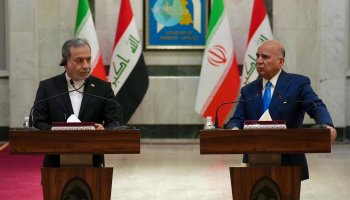
Tehran (Diplomat.so) - Iranian Foreign Minister Abbas Araghchi said Saturday on X that the United States' security role in the Strait of Hormuz had "proven to be full of holes," amid escalating tensions.
Araghchi’s comments came hours after Donald Trump pledged that Washington would ensure the strategic waterway remains open to global shipping "one way or another,” as military confrontations between Iran, the United States, and Israel continue to disrupt maritime traffic through the narrow Gulf passage.
In a series of posts, Araghchi criticized Washington’s regional strategy and urged neighboring countries to distance themselves from foreign military forces. "Iran calls on brotherly neighbors to expel foreign aggressors, especially as their only concern is Israel,” he wrote. The Iranian diplomat also claimed that Washington had sought international help to secure shipping routes through the strait, describing the U.S. security umbrella as ineffective.
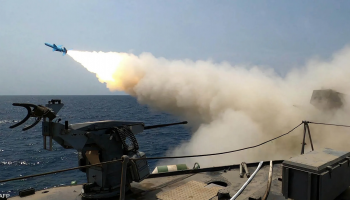
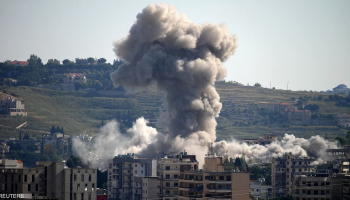
The exchange underscores mounting geopolitical pressure around the Strait of Hormuz, a critical energy corridor through which roughly a fifth of the world’s oil supply typically passes. Attacks in recent weeks — including U.S. and Israeli strikes on Iranian targets and Tehran’s retaliatory actions — have intensified fears of wider disruption to global energy flows.
Speaking Saturday, President Donald Trump said the United States was prepared to conduct extensive military operations along Iran’s coastline to prevent interference with international shipping. "Many countries will send warships in coordination with America to keep the Strait of Hormuz open,” Trump said, adding that Washington hoped nations including China, France, Japan, South Korea and the United Kingdom would contribute naval forces.
Earlier Thursday, Scott Bessent, the U.S. Treasury secretary, said the United States Navy could escort commercial vessels through the strait as part of a multinational coalition once military conditions permit. He indicated the plan would likely proceed after the United States achieves full control of the airspace and degrades Iran’s missile capabilities.
Across regional shipping hubs, the escalating rhetoric has already begun to affect maritime operations. At a busy logistics office overlooking the Gulf shipping lanes, Khalid Hassan, a supervisor at a regional shipping firm in Dubai, said several tankers were waiting longer than usual before entering the strait.
"Captains are watching the security updates hour by hour,” Hassan said by phone. "Some ships are slowing down or adjusting routes until they know escorts will be available.”
Analysts say the confrontation carries significant economic implications. Any prolonged disruption in the Strait of Hormuz could tighten global oil supply, raise energy prices, and increase insurance costs for shipping companies operating in the Gulf.
For regional states heavily dependent on maritime trade — including Gulf exporters and Asian energy importers — the unfolding standoff highlights the fragile balance between military deterrence and economic stability in one of the world’s most strategically vital waterways.