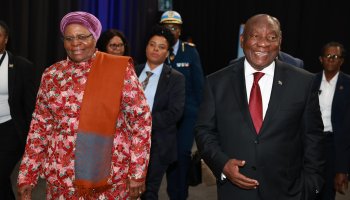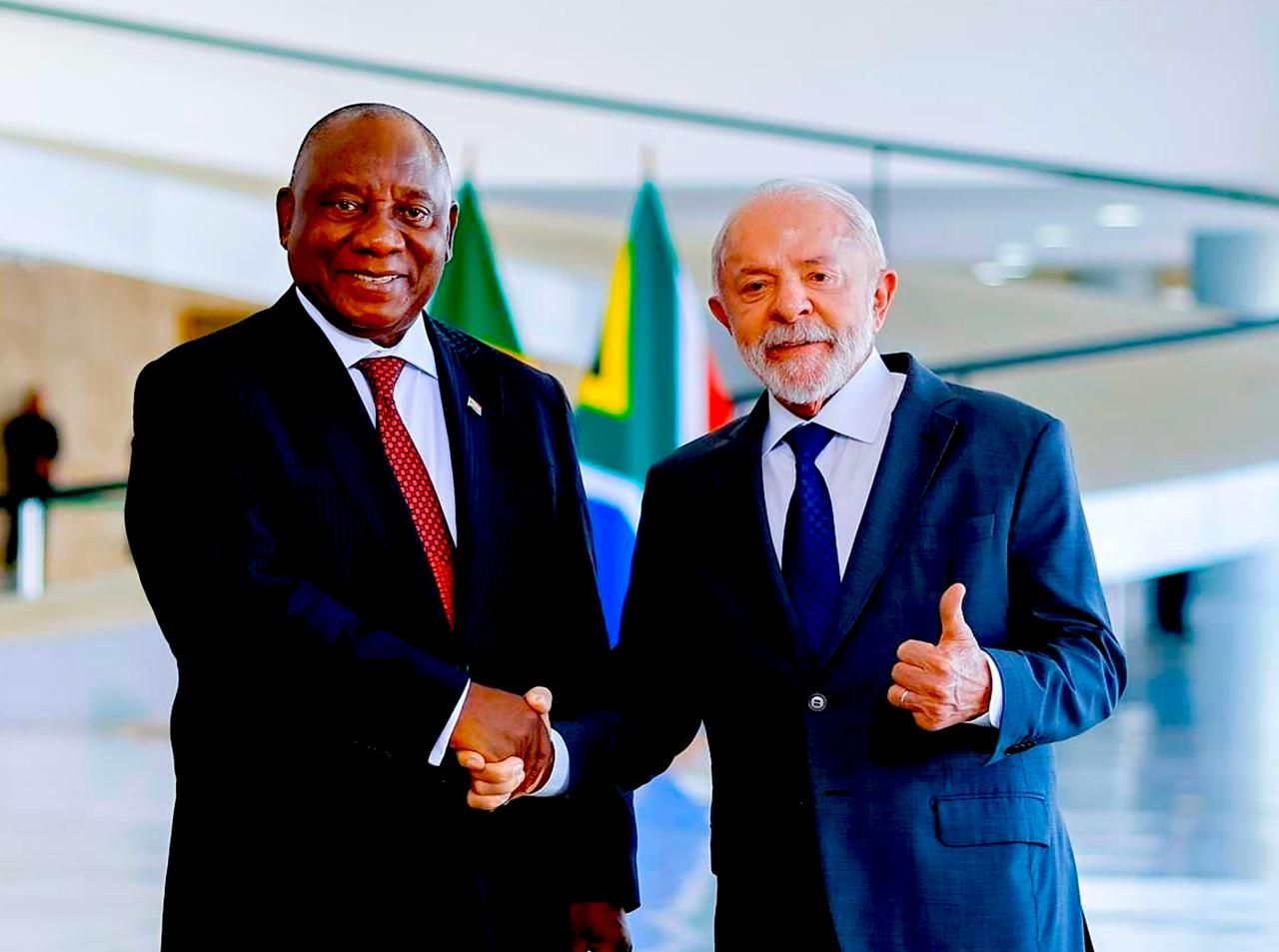
Brasília (Diplomat.so) - Luiz Inacio Lula da Silva, President of Brazil, on Monday called on South African President Cyril Ramaphosa to strengthen military cooperation, warning that both nations face vulnerabilities to foreign aggression. The appeal came during Ramaphosa's official visit to Brasília, where both leaders discussed joint defence initiatives and strategic regional security.
Speaking at a press briefing, Lula emphasized local defence production and collaborative military development. "If we don’t prepare ourselves in terms of defence, one day someone will invade us,” he said. "We need to combine our potential, build together, and reduce dependence on foreign arms suppliers.” Ramaphosa, in turn, highlighted Brazil’s advanced aerospace and defence industries. "We have much to learn from each other and also much to share,” he noted.
The two countries’ defence ministers were scheduled to meet on Monday to draft a formal cooperation agreement encompassing joint training exercises, technology transfers, and defence research projects. Observers reported a high-security perimeter at the presidential palace, with both delegations inspecting displayed military hardware.
Lula framed the cooperation within a broader regional deterrence strategy. "In South America, we present ourselves as a region of peace. No one has a nuclear bomb, no one has an atomic bomb. Defence is about deterrence,” he said. Analysts note that Brazil and South Africa’s partnership within BRICS, alongside China, Russia, India, and Iran, strengthens a shared approach to security independent of Western influence.
The discussions also included shared criticism of US and Israeli military actions against Iran, reflecting Lula and Ramaphosa’s opposition to foreign interventions in sovereign regions. Lula has previously condemned US operations against Venezuela, calling them "an unacceptable line” crossed in Latin America.
Local analysts in São Paulo and Pretoria noted that enhanced defence collaboration could boost domestic manufacturing, create skilled jobs, and increase technological expertise.
Officials in Pretoria indicated the agreement may also include intelligence sharing and coordinated maritime patrols along strategic sea lanes, offering tangible security benefits to citizens in both countries.