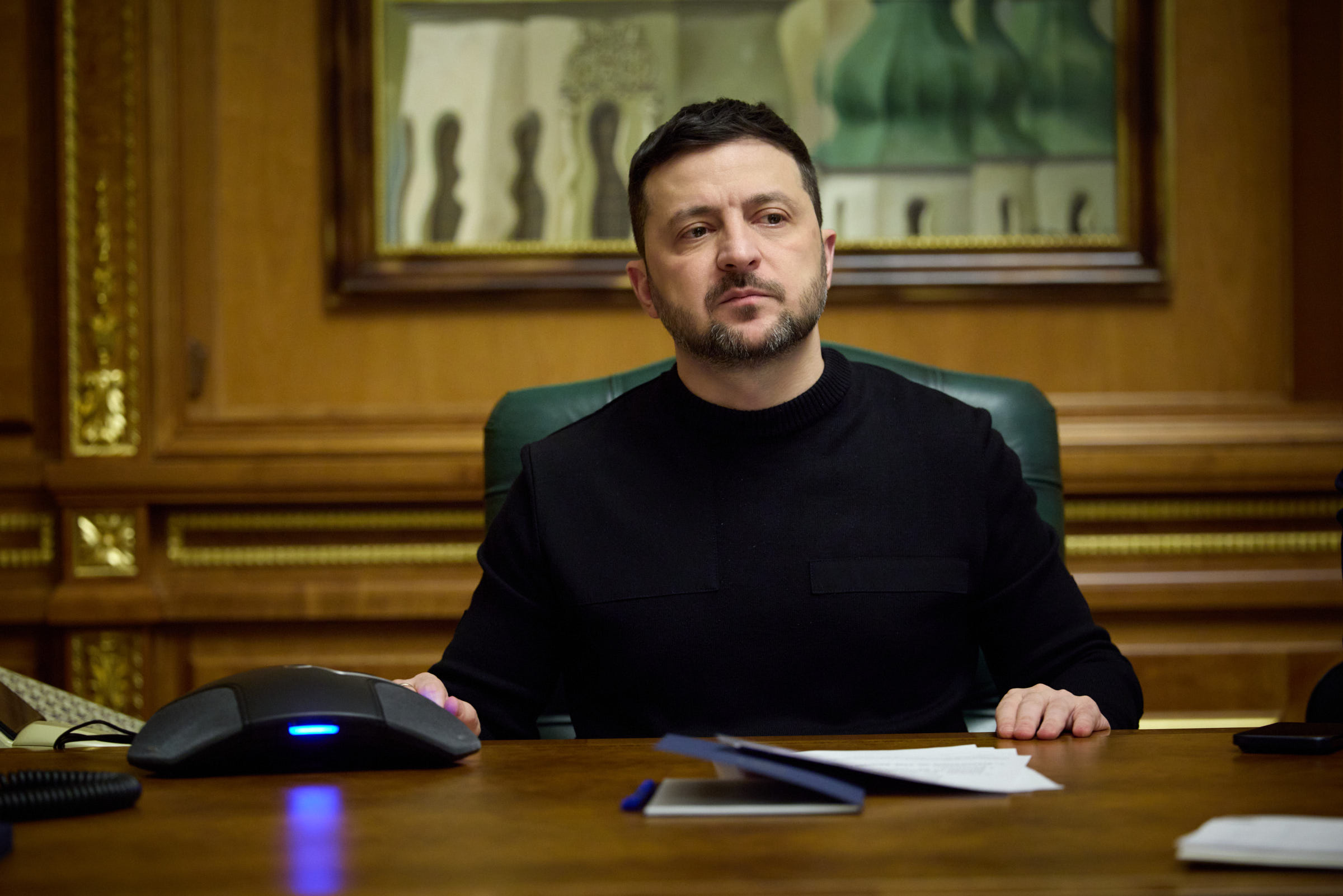
Kyiv (Diplomat.so) - Ukrainian President Volodymyr Zelenskyy confirmed that a Ukrainian security and military delegation, led by Rustem Umerov, Secretary of Ukraine's National Security and Defense Council, has departed for the Gulf region to assist in stabilizing escalating tensions after Iranian actions disrupted shipping through the Strait of Hormuz, the main conduit for global oil and gas exports.
"Our team is now on its way to the Gulf region, where they can help protect lives and stabilize the situation,” Zelenskyy said in a post on his X account. He described Iran’s effective blockage of the Strait as "a major source of instability” and stressed that the protection of life must begin immediately to prevent wider regional disruption.
At the docks of Dubai Port, local shipping agent Nawar Al-mehri observed a rise in canceled shipments. "Companies are worried; every hour the strait is closed, insurance costs spike and delays ripple across the region,” he said, gesturing to a row of container ships anchored offshore under the bright morning sun. His account highlights the tangible impact on local logistics, echoing Zelenskyy’s warnings of broader market disruption.
The Ukrainian delegation reportedly focuses on counter‑drone operations and security cooperation with Gulf states. Zelenskyy reiterated that Ukraine’s expertise in defending against attack drones is among the most advanced globally and proposed collaborative production and deployment of drones with regional partners. "Without this experience, building strong defenses in the Gulf, the Middle East, and even Europe and the U.S. will be challenging,” he said.
Historically, the Strait of Hormuz handles about 20% of the world’s crude oil exports. Recent satellite intelligence and U.S. naval reports suggest that Tehran may be laying sea mines to further impede passage, though the exact extent remains uncertain. Analysts warn that ongoing disruptions could exacerbate energy price volatility and strain diplomatic ties across Europe, the U.S., and the Gulf Cooperation Council.
Samira Hamud, a Gulf security expert, said, "Ukraine’s involvement marks a shift: regional security is no longer limited to local actors, and expertise in drone defense has become a strategic asset.” She added that shipping corridors are already experiencing intermittent congestion, highlighting both operational risks and market uncertainty.
Western governments, including the UK and EU allies, are reinforcing naval escorts and insurance protocols for commercial vessels in response to Iran’s aggressive stance. Observers suggest that Ukraine’s deployment could provide technical support and confidence to Gulf states, but meaningful stability depends on broader diplomatic de‑escalation between Iran and U.S.-aligned forces in the region.