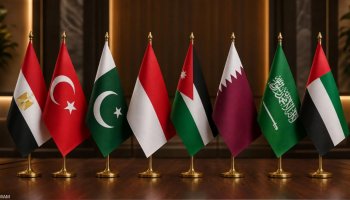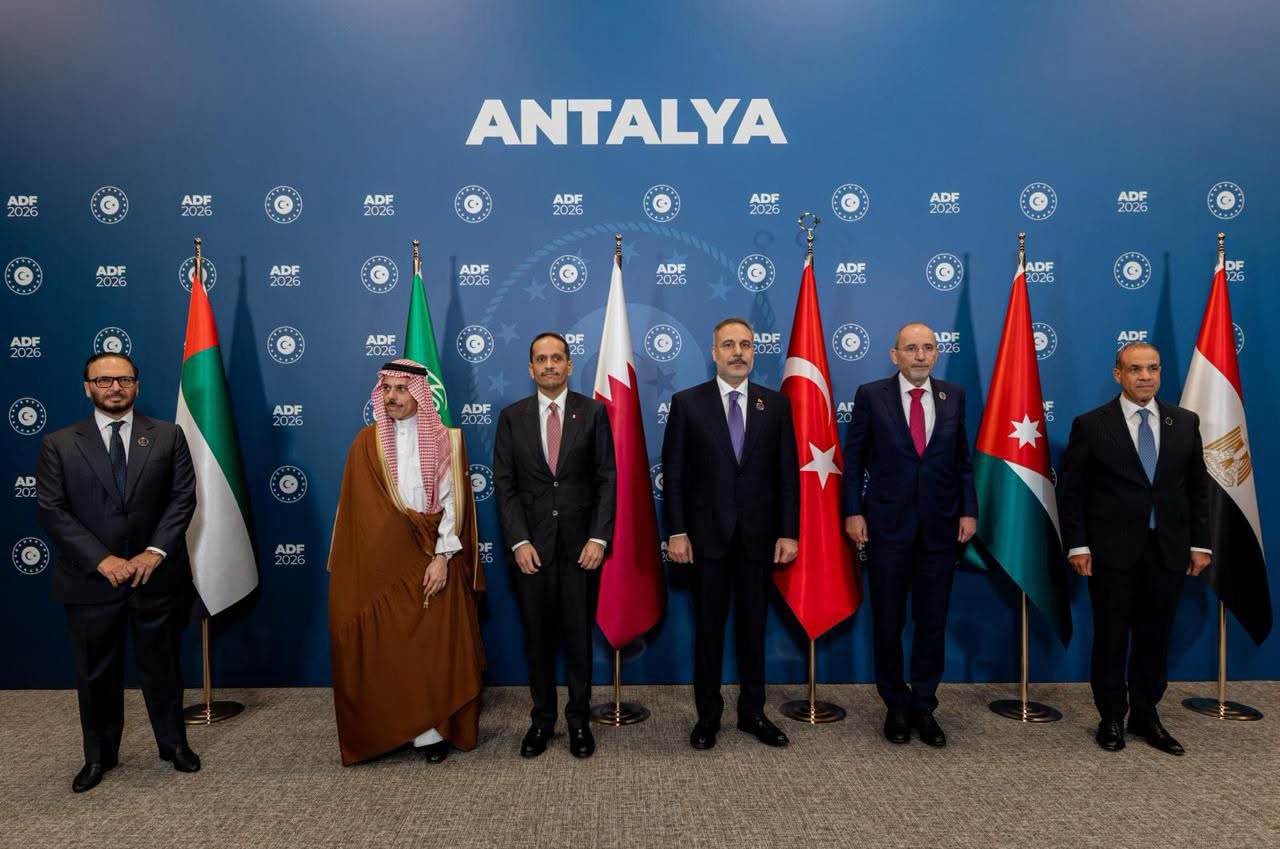
Cairo (Diplomat.so) – Foreign ministers of Egypt, Somalia, Sudan, Libya, Bangladesh, Algeria, Saudi Arabia, Palestine, Türkiye, Indonesia, Pakistan, Kuwait, Mauritania, Jordan, Oman, Lebanon, and Qatar issued a strong condemnation on Saturday, of Israel's announcement to appoint a diplomatic representative to the northwestern region of Somalia, the so-called "Somaliland," describing the move as a violation of Somalia's sovereignty.
Joint Condemnation and Diplomatic Positions
The ministers described the Israeli announcement as "a flagrant violation of the sovereignty, unity, and territorial integrity of the Federal Republic of Somalia,” according to the joint statement released following coordinated consultations among participating foreign ministries.
"The Ministers of Foreign Affairs express their strongest condemnation of Israel’s announcement of the appointment of a diplomatic representative to the so-called ‘Somaliland,’” the statement said.
They further reaffirmed "unequivocal rejection of all unilateral measures that undermine the unity of states or infringe upon their sovereignty,” emphasizing collective support for Somalia’s federal government as the sole legitimate representative of the Somali people.
Diplomatic sources familiar with the discussions said the statement followed "urgent coordination between regional and international partners concerned about the implications of unilateral recognition efforts.”
Rejection of Unilateral Measures
The ministers underscored that any external engagement that bypasses Somalia’s federal institutions risks undermining internationally recognized principles of sovereignty and territorial integrity.
They stressed that Somalia’s unity and institutional framework remain central to regional stability, noting that "the Federal Republic of Somalia remains the sole representative authority over its territory under international law.”
In their joint statement, the ministers also reaffirmed their "firm and unwavering support for the unity, sovereignty, and territorial integrity of Somalia,” while warning against any actions that could encourage fragmentation.
A Somali government official, speaking on condition of attribution, said the declaration "reinforces Somalia’s longstanding position that any attempt to bypass federal authority undermines peacebuilding efforts and national reconciliation.”
Legal and Regional Implications
The statement further emphasized that the Israeli move constitutes "a blatant violation of the principles of international law, the United Nations Charter, and the Constitutive Act of the African Union,” warning that such actions could establish "a dangerous precedent.”
Analysts note that issues involving unrecognized territories often intensify diplomatic tensions, particularly when external actors establish formal or semi-formal relations that are interpreted as de facto recognition.
An East Africa-based regional affairs analyst told Diplomat News Network that such developments "test the balance between diplomatic engagement and respect for established international borders,” especially in regions experiencing political fragility and post-conflict transitions.
Status of "Somaliland" in Northwestern Somalia
The entity calling itself "Somaliland” located in the northwestern region of Somalia, declared unilateral separation from Somalia in 1991 following the collapse of the central government of Somalia. It has since established its own governing institutions and administrative structures.
Despite its internal political arrangements, it remains unrecognized by any United Nations member state. The Federal Government of Somalia continues to assert sovereignty over the entire territory of the country, including the northwestern region where the separatist administration operates.
Most international institutions maintain recognition of Somalia’s territorial integrity within its federal framework. Within the northwestern region, six major clans are widely reported to reside there, with five of them generally supporting national unity and opposing separatism, while one clan forms the primary support base of the separatist administration. Members of these communities, including those from the separatist clan, are also represented across federal institutions, including both houses of Parliament, the Judiciary, and other branches of the Federal Government of Somalia.
These institutional and social linkages reflect continued integration within Somalia’s national framework. Efforts toward unity, reconciliation, and state-building remain central to Somalia’s political process, with successive administrations emphasizing inclusive governance, power-sharing, and the strengthening of federal institutions as key pillars for long-term stability, national cohesion, and sovereignty.
Regional Security Context
The Horn of Africa remains a strategically sensitive region marked by overlapping political, security, and economic challenges, including counterterrorism operations, maritime security concerns along key shipping routes, and ongoing regional geopolitical competition involving both regional and international actors.
Diplomatic analysts note that engagement with entities claiming independence within internationally recognized states often triggers broader tensions over recognition and sovereignty principles, particularly in cases where such interactions are perceived as conferring political legitimacy.
Observers say diplomatic issues involving territorial recognition can have ripple effects on already complex regional dynamics, potentially influencing alliances, security coordination frameworks, and existing diplomatic balances across the region.
A regional affairs analyst based in East Africa, speaking generally, said such developments "test the balance between diplomatic engagement and respect for established international borders,” particularly in fragile or post-conflict states where state institutions remain in the process of consolidation and reconciliation efforts continue to shape national cohesion.
Analytical Perspective
International relations experts argue that unilateral diplomatic engagement in contested jurisdictions can heighten political sensitivity and further complicate ongoing efforts by regional and global actors to maintain stability and facilitate dialogue.
They note that the coordinated position expressed by multiple governments reflects a broader commitment to established principles of international law, particularly those related to sovereignty, territorial integrity, and non-interference in the internal affairs of states.
A senior regional affairs analyst told Diplomat News Network that developments of this nature underscore the persistent challenges surrounding questions of political recognition, especially in environments where governance institutions are still evolving and post-conflict reconstruction processes remain ongoing.
He added that the alignment among a wide range of countries signals an intent to reinforce a unified diplomatic approach aimed at discouraging actions that could be interpreted as conferring legitimacy on parallel administrative authorities operating outside Somalia’s federal framework.