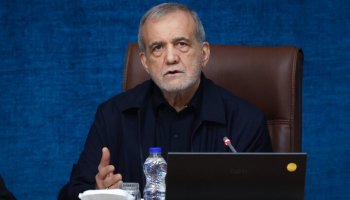
Tehran (Diplomat.so) - Abbas Araghchi, the foreign minister of Iran, said Sunday that a new round of nuclear negotiations with the United States could take place within days, suggesting diplomats may soon reconvene in Geneva as tensions persist over Tehran's nuclear program.
In remarks to CBS News, Araghchi said he expected negotiators to meet again on Thursday and potentially produce a practical draft agreement during the session. "I assume we will be able to formulate a practical text in our new meeting this Thursday in Geneva and reach an agreement rapidly,” he said.
The Iranian minister suggested that a future agreement could exceed the scope of the 2015 nuclear deal, formally known as the Joint Comprehensive Plan of Action (JCPOA). That accord limited Iran’s nuclear activities and allowed international inspections in exchange for sanctions relief, but it collapsed after Washington withdrew from the agreement in 2018 and reinstated economic sanctions.
Araghchi said any new framework could include expanded assurances that Iran’s nuclear activities remain peaceful while also providing a pathway to remove sanctions that have heavily impacted the country’s economy. According to the senior diplomat, negotiators are exploring options that could strengthen transparency and confidence-building measures compared with earlier arrangements.
The potential talks come as the United States and its regional ally Israel continue to press Iran to halt uranium enrichment entirely. Tehran has rejected that demand, arguing that enrichment for civilian energy and medical purposes is its sovereign right under international nuclear regulations.
Diplomatic observers say Geneva has historically served as a neutral venue for sensitive negotiations between Iran and Western powers. Several rounds of discussions that led to the 2015 agreement were held there, making the city a familiar setting for attempts to revive or redesign a nuclear framework.
Experts also note that renewed diplomacy could influence broader regional stability in the Middle East, where concerns about nuclear proliferation remain high. Any progress in talks could ease geopolitical tensions and reduce the risk of escalation between Iran, Israel, and Western governments, while failure to reach a compromise could deepen mistrust and prolong sanctions pressure.
In reporting these developments, Diplomat News Network notes that officials in Washington have not yet publicly confirmed the schedule or agenda for the proposed Geneva meeting, leaving uncertainty over whether the discussions will produce immediate progress or mark only an exploratory step toward a broader agreement.