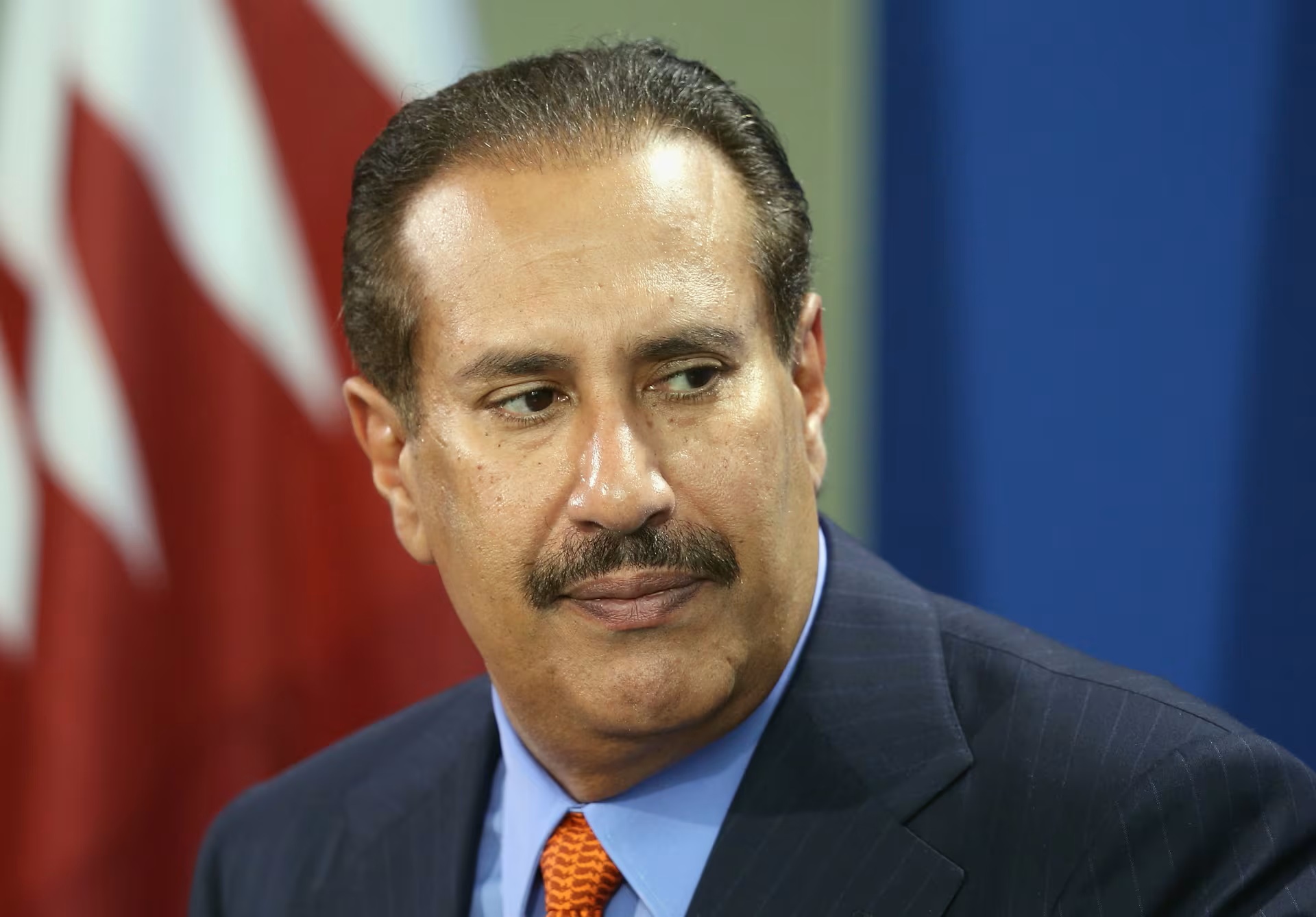
Doha (Diplomat.so) - Hamad bin Jassim bin Jaber Al Thani, Qatar's former prime minister and long-serving foreign minister, said in a post published Sunday on his official X account that Iran risks undermining its long-term relations with Gulf Cooperation Council (GCC) states by drawing them into its confrontation with the United States and Israel.
In the post, Hamad bin Jassim—widely known as HBJ—questioned Tehran’s objectives, asking what it hopes to gain by "pushing all GCC countries into its war with America and Israel.” He argued that, regardless of the answer, Iran had lost Gulf sympathy that had previously supported de-escalation efforts and had created doubts that would be difficult to erase in the future of its relations with GCC states.
HBJ wrote that if Iran believes targeting GCC states constitutes political pressure capable of compelling the U.S. president to halt attacks against it, "its calculations are mistaken,” adding that such actions would not earn Tehran strategic advantage. He further stated that reported shelling struck residential areas outside what Iran has described as American interests, a development he said would likely prompt Gulf states to deepen partnerships with allies beyond the region after trust had been shaken.
The former premier, who served as Qatar’s prime minister from 2007 to 2013 and as foreign minister from 1992 to 2013, reiterated his longstanding view that balanced relations between GCC states and Iran remain important. However, he emphasized that such ties must respect regional balances and avoid imposing unilateral agendas or entangling Gulf countries in disputes in which they have "no involvement or interest.”
HBJ called for a unified Gulf position in response to Iran’s actions and urged GCC states to strengthen self-reliant deterrence capabilities rather than depend primarily on external allies.
He also commended mediation efforts by Oman, suggesting that successful Omani diplomacy could have altered the situation. He claimed that Israel had thwarted those efforts, arguing that if the mediation had succeeded, it would have significantly disrupted the domestic and international plans of Israeli Prime Minister Benjamin Netanyahu.